
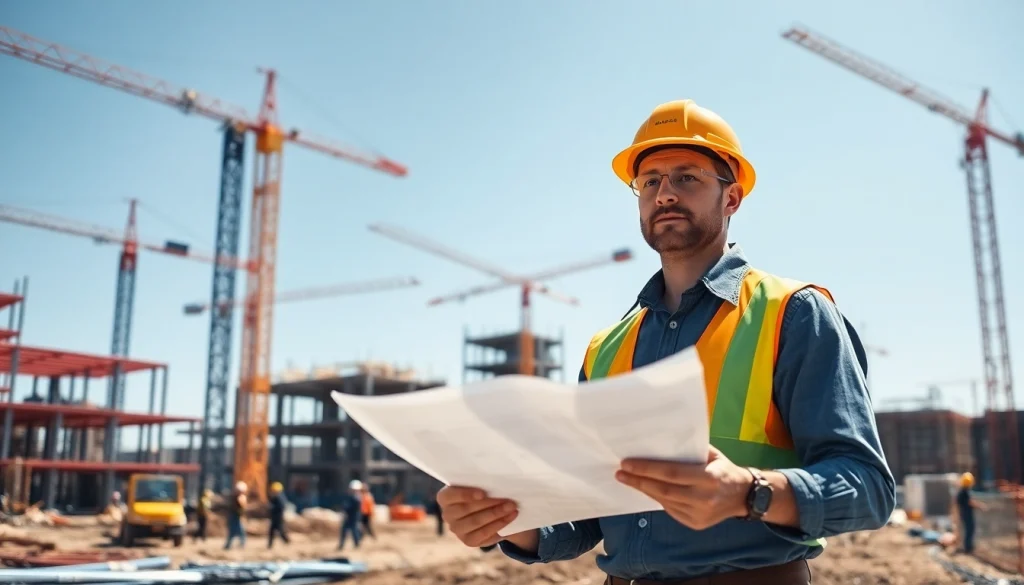
Understanding the Role of a New Jersey Construction Manager
In the evolving landscape of the construction industry, the New Jersey Construction Manager plays a vital role in ensuring that projects are delivered on time, within budget, and to the desired quality standards. This multifaceted position encompasses various responsibilities that blend technical skills with managerial expertise, making it crucial to the successful execution of construction projects.
Key Responsibilities and Skills
A New Jersey Construction Manager is tasked with a variety of responsibilities that are critical to project success. Key duties include:
- Project Planning: Developing detailed project plans, timelines, and budgets.
- Resource Management: Managing labor, materials, and equipment to ensure efficiency.
- Quality Control: Overseeing construction processes to maintain quality standards.
- Risk Management: Identifying potential risks and developing mitigation strategies.
- Stakeholder Communication: Keeping all parties informed about progress and challenges.
In terms of skills, successful construction managers possess strong leadership abilities, excellent communication skills, and a solid understanding of construction practices and regulations. Familiarity with project management software and tools is also advantageous.
Importance in the Construction Industry
The role of a New Jersey Construction Manager is pivotal for several reasons:
- Coordination of Complex Projects: Construction projects often involve multiple stakeholders, including owners, architects, subcontractors, and inspectors. The construction manager acts as the central point of contact, ensuring that all parties are aligned and working towards a common goal.
- Efficient Resource Allocation: By overseeing resources, the construction manager optimizes usage, which is essential for maintaining budgets and timelines.
- Quality Assurance: Ensuring that the work meets regulatory standards and client expectations is crucial for project acceptance and reputation.
Career Path and Opportunities
Starting a career as a construction manager typically begins with a foundation in engineering, architecture, or construction management. Individuals can advance through the ranks by gaining experience in project management and specializing in specific types of construction, such as commercial or residential projects. Many construction managers find opportunities in:
- Large construction firms
- Consulting firms
- Government agencies
- Real estate development companies
As they progress, construction managers may take on larger projects or manage teams, enhancing their careers further through continuous education and networking.
Essential Qualifications for New Jersey Construction Managers
Educational Background and Training
A solid educational foundation is essential for aspiring construction managers. Typically, candidates should pursue a bachelor’s degree in construction management, civil engineering, or a related field. Many universities in New Jersey offer specialized programs designed to equip students with the necessary knowledge and skills. Internships and co-op programs provide invaluable hands-on experience, which is critical for entering the field.
Licensing and Certifications
In New Jersey, becoming a licensed construction manager can enhance career prospects. While licensing requirements vary, many construction managers obtain certifications such as:
- Certified Construction Manager (CCM): Offered by the Construction Management Association of America (CMAA), this certification demonstrates a high level of competency and professionalism.
- Project Management Professional (PMP): This certification, provided by the Project Management Institute (PMI), is highly regarded across various industries.
Holding these credentials can set candidates apart and signal their commitment to excellence in the field.
Continuous Professional Development
The construction industry is constantly evolving with new technologies, methodologies, and regulations. Continuous professional development is essential for construction managers to stay competitive. Opportunities for learning include:
- Workshops and Seminars: These sessions can focus on new tools, techniques, or regulations affecting the industry.
- Online Courses and Certifications: Many institutions offer online learning platforms that allow managers to acquire new skills flexibly.
- Networking Opportunities: Joining professional associations provides access to industry insights and best practices.
Challenges Faced by New Jersey Construction Managers
Common Obstacles in Project Management
Construction managers in New Jersey face several challenges that can impact project outcomes:
- Budget Constraints: Projects often encounter financial limitations that require careful oversight and innovative solutions to stay within budget.
- Scheduling Conflicts: Delays can arise from various factors, including weather conditions and supply chain issues, complicating project timelines.
- Labor Shortages: The demand for skilled labor is a significant concern, impacting the ability to complete projects on schedule.
Legal and Regulatory Compliance Issues
Compliance with local, state, and federal regulations is critical for successful project management. New Jersey is known for its strict building codes and regulations, which construction managers must navigate expertly. Understanding zoning laws, environmental regulations, and safety standards is essential to avoid costly penalties and project delays.
Management of Client and Stakeholder Expectations
Meeting the expectations of clients and stakeholders can be one of the most demanding aspects of a construction manager’s role. Effective communication strategies, including regular updates and clear documentation, are essential to manage these expectations. Construction managers must also be adept at negotiating and resolving conflicts to maintain strong relationships with all parties involved.
Best Practices for Effective Construction Management
Project Planning and Scheduling Techniques
Effective project management starts with thorough planning. Managers should utilize techniques such as:
- Gantt Charts: These visual tools help in outlining project timelines and milestones for better tracking.
- Critical Path Method (CPM): CPM identifies essential tasks that must be completed on time for the project to progress as planned.
Incorporating these methods can greatly improve project success rates.
Utilizing Technology for Efficiency
Technology has transformed construction management, offering tools that enhance efficiency and communication. Project management software, drones for site surveys, and Building Information Modeling (BIM) are just a few examples of how technology can streamline processes and improve outcomes.
Building Strong Teams and Communication Strategies
A successful project hinges on the ability of the construction manager to foster a strong team culture. Encouraging open communication, setting clear expectations, and leveraging strengths within the team can drive performance. Regular meetings and collaborative tools can keep team members aligned and engaged throughout the project lifecycle.
Future Trends Affecting New Jersey Construction Managers
Sustainability and Green Building Practices
Sustainability is becoming increasingly important in the construction industry. New Jersey construction managers must understand green building practices and incorporate sustainable materials and technologies into their projects to meet regulatory demands and client expectations. Knowledge of LEED certification processes and energy-efficient systems will provide a competitive edge.
Adoption of New Technologies in Construction
With the rapid pace of technological advancements, construction managers must be proactive in adopting new tools and methodologies. Technologies such as 3D printing, augmented reality, and IoT devices are reshaping how construction is executed. Embracing these innovations can lead to improved efficiency and reduced costs.
The Impact of Economic Changes on Construction Management
The state of the economy heavily influences the construction market. Economic fluctuations can impact material costs, labor availability, and overall demand for construction services. Awareness of market trends and economic indicators enables New Jersey construction managers to plan effectively and adapt to changing conditions.