
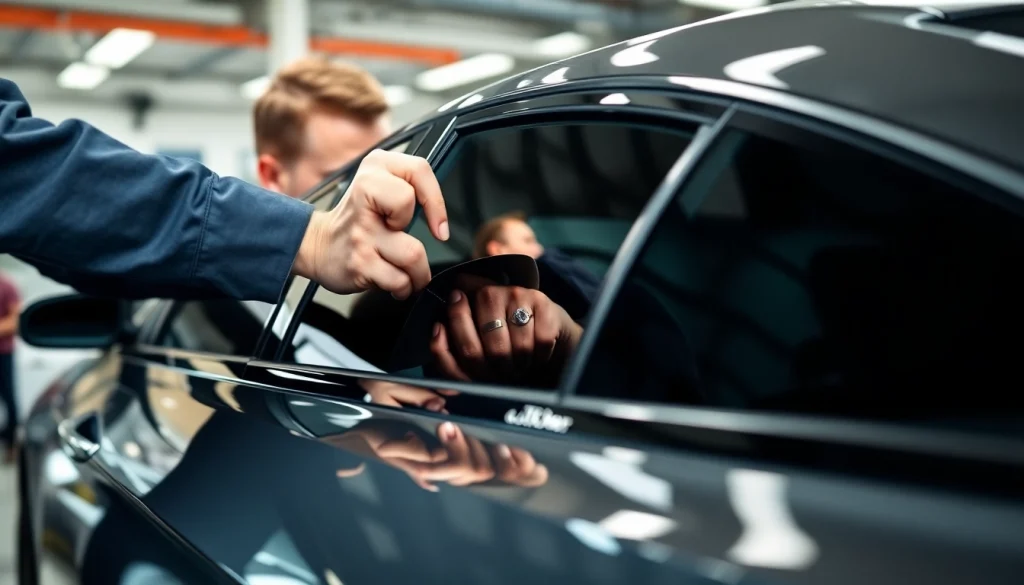
Understanding Auto Window Tint: Benefits and Options
When considering enhancements for your vehicle, one option stands out for both aesthetic appeal and functionality: auto window tint. This treatment not only elevates the look of your car but also provides a host of benefits that can improve your driving experience. If you’re searching for auto window tint near me, it’s essential to understand the advantages, types, and how to select the perfect tint for your vehicle.
Advantages of Auto Window Tint
Opting for auto window tint carries various advantages that enhance both comfort and vehicle longevity. Let’s delve into some key benefits:
- Heat Reduction: One of the primary benefits of auto window tinting is its ability to block heat from the sun, enhancing comfort, especially during hot seasons. This can also reduce the load on your air conditioning system, improving fuel efficiency.
- UV Protection: High-quality window films can block up to 99% of harmful UV rays, protecting your skin and reducing the risk of skin cancer. Moreover, they help prevent upholstery and dashboard from fading, preserving your vehicle’s interior.
- Enhanced Privacy: Tinted windows provide increased privacy for passengers and belongings, discouraging theft and enhancing security.
- Improved Aesthetics: A sleek, tinted look adds a sophisticated style to any vehicle, making it more visually appealing.
- Glare Reduction: Tinting can significantly reduce glare from the sun and headlights, making driving safer and more comfortable.
Types of Window Tint Available
There are several types of window tints available, each offering unique advantages and features. Here’s a breakdown of the most common options:
- Dyed Window Film: This is the most common type of tint that offers affordability and a range of color options. While it improves aesthetics and reduces glare, its heat rejection capabilities are limited.
- Metalized Window Film: This type incorporates metal particles that reflect heat. It offers better heat rejection and durability, but it may interfere with electronic signals like GPS or cell phone reception.
- Carbon Window Film: A mid-range option, carbon tint blocks heat without relying on metal, preserving reception and providing a rich matte finish.
- Ceramic Window Film: This premium option is non-conductive and doesn’t interfere with electronic signals. It offers excellent heat rejection and UV blockage, making it suitable for luxury vehicles.
Choosing the Right Tint for Your Vehicle
Selecting the right window tint involves considering various factors, including local regulations, personal preferences, and vehicle specifics:
- Local Laws: Always check your state or local regulations regarding tint darkness and reflectivity, as these can vary widely.
- Personal Preference: Consider the look and feel you want. While darker tints provide more privacy, lighter tints offer a subtler aesthetic while still providing benefits.
- Functionality: Assess your primary goals—is it heat rejection, UV protection, or aesthetic appeal? Make your decision based on what matters most to you.
- Professional Recommendations: Consult with professional installers who can guide you based on your vehicle type and needs.
How to Find Auto Window Tint Near Me
Finding the right auto window tint provider can be a straightforward process if you approach it methodically. Here are effective strategies to locate reputable services in your area.
Using Online Searches Effectively
Modern technology offers many tools for your search. Using search engines, you can discover options for auto window tint near me. Utilize keywords and local modifiers to narrow down your results effectively. For example, typing “auto window tinting in Chattanooga” can provide localized results tailored to your area.
Local Recommendations and Reviews
Word-of-mouth recommendations from friends, family, or colleagues can be invaluable. Additionally, online review platforms like Yelp and Google Reviews allow you to gauge customer satisfaction and service quality. Look for businesses with consistently positive feedback and well-documented customer experiences.
Essential Questions to Ask Providers
Once you’ve shortlisted potential providers, asking the right questions can help you make an informed decision. Consider the following inquiries:
- What type of films do you use, and are they backed by a warranty?
- Can you provide examples of your previous work or references?
- What is the estimated time for installation, and do you offer mobile services?
- What post-installation care do you recommend for the tint?
Process of Installing Auto Window Tint
Understanding the installation process can alleviate any concerns you might have. Here’s a step-by-step overview of how professionals install window tints.
Preparation for Tinting
Before installation, thorough preparation is key. This includes cleaning the windows to remove any dust or debris, heating the area if temperatures are low, and ensuring the vehicle is parked in a shaded location to avoid bubbles during the installation.
The Installation Process Explained
The installation itself typically involves the following steps:
- Measuring Windows: Professionals take precise measurements of each window to cut the film accurately.
- Cutting the Film: The tint film is cut according to the specifications of your car’s windows, ensuring it fits perfectly.
- Applying the Tint: Using a specially formulated adhesive, the tint is applied to the interior side of the windows. Professionals often use a heat gun to smooth out any bubbles and ensure a seamless application.
- Final Inspection: After installation, a final check is conducted to identify any imperfections or areas that need touch-ups.
Post-Installation Care for Your Tint
Proper care after installation is vital for the longevity of the tint. Here are some tips:
- Avoid rolling down windows for at least 48 hours after installation to allow the film to properly adhere.
- Use a gentle cleaner with a soft cloth to maintain the tint. Avoid ammonia-based cleaners, which can damage the film.
- Monitor for any signs of bubbling or peeling, and report these issues to your installer as soon as possible.
Comparing Costs of Auto Window Tint Near Me
Understanding the costs associated with auto window tint installation can help you budget effectively and make informed choices. Here’s what to consider.
Factors Influencing Tint Pricing
Several factors can affect the cost of tinting, including:
- Type of Film: Different types of window films come with varying prices, with ceramic films typically costing the most due to their superior performance.
- Vehicle Size: Larger vehicles, such as SUVs and trucks, may incur higher installation costs due to the additional time and materials required.
- Complexity of Installation: Cars with more intricate window shapes may present challenges that can increase labor costs.
- Location: Prices can vary depending on the region and availability of services, with urban areas often having higher rates.
Budgeting for Your Tinting Project
Creating a budget involves not only knowing the cost of the tint but also factoring in installation fees and any potential additional costs like warranties or maintenance plans. Expect to invest anywhere from $200 to $800, based on your selections and vehicle type.
Understanding Warranty and Service Agreements
Before finalizing your choice of provider, review the warranty details. Quality window films typically come with manufacturer warranties ranging from 5 to 10 years, covering issues like bubbling, peeling, or discoloration. Ensure you’re clear about what the warranty entails, including coverage and any potential additional costs.
Common FAQs About Auto Window Tint
How long does window tint last?
High-quality window tint can last anywhere from 5 to 10 years, depending on the film type and maintenance.
Is window tint legal in my area?
Window tint laws vary by state. Always check your local regulations regarding tint darkness and reflectivity to remain compliant.
Can I tint my own windows?
While DIY kits are available, professional installation is recommended for a perfect finish and longevity.
How does window tint affect visibility?
Quality tints are designed to maintain visibility while reducing glare and harmful UV rays without compromising safety.
What maintenance is required for window tint?
Minimal maintenance is needed; simply clean with a soft cloth and avoid ammonia-based cleaners to extend the tint’s lifespan.