
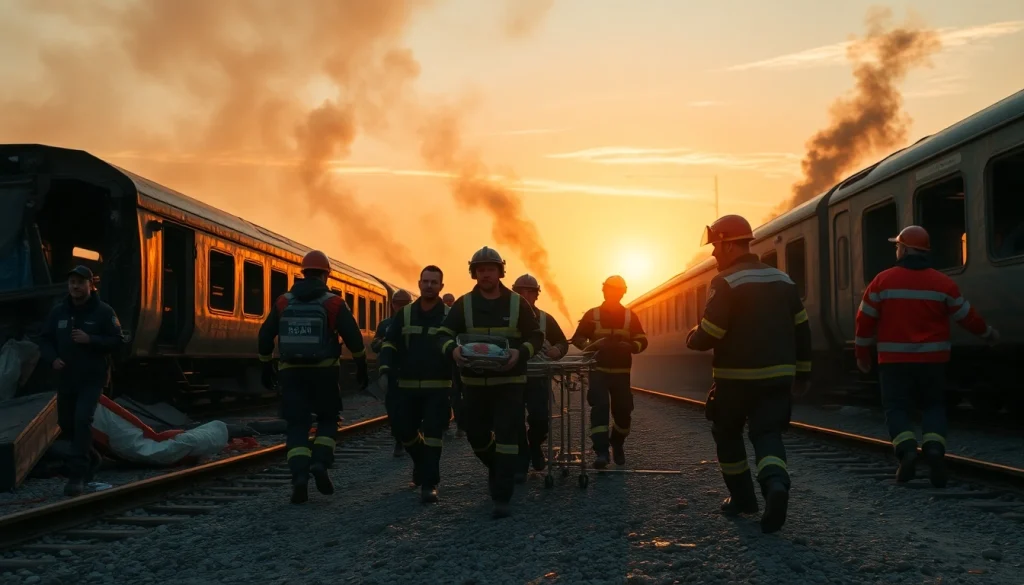
Overview of the spain train crash
Background and Context
The spain train crash has captured global attention due to its tragic implications and the lessons learned regarding transportation safety. In each incident, lives are irrevocably changed, highlighting the urgent need for enhanced precautions in rail systems. As trains connect cities and facilitate the movement of goods and people, understanding what leads to accidents is vital to prevent further tragedies.
Key Statistics and Data
Rail transport is generally considered safe, yet the statistics surrounding train crashes can be alarming. In recent years, Spain has recorded a decrease in train accidents due to improved safety measures, yet a single accident can still cause significant injury and loss of life. Analyzing data from past events can help identify patterns leading to accidents, focusing on factors such as frequency of crashes, injury rates, and fatalities. The most recent major incident underscored these statistics, causing a nationwide review of safety protocols.
Immediate Consequences
The immediate aftermath of any train crash evokes chaos, confusion, and a desperate need for emergency responses. Victims require immediate medical attention, and first responders must act quickly to stabilize the situation. The psychological impact on survivors, witnesses, and families can be profound, leading to long-term mental health issues such as PTSD. Additionally, the infrastructure may suffer damage, requiring extensive repairs and resulting in disruptions to service, which further complicates the lives of commuters.
Causes Behind the spain train crash
Human Factors
Human error remains one of the top contributors to train accidents. Studies indicate that oversight in operational procedures, fatigue among operators, and miscommunication can lead to dangerous situations. In the context of the spain train crash, instances of negligence or failure to follow protocols have been reported. The emotional strain associated with high-stress environments can also impair decision-making and judgement of personnel, ultimately impacting passenger safety.
Technical Failures
Mechanical breakdowns and technical failures are pivotal in understanding the risks associated with train travel. Trains are complex machines, with an array of systems working cohesively to ensure safe transport. Failures in the signaling system, brakes, or any component of train tracks can result in catastrophic incidents. The investigation into the spain train crash revealed several technical inconsistencies that may have contributed to the accident, sparking discussions about maintenance routines and quality control standards.
Environmental Influences
Natural elements such as severe weather conditions can affect train safety significantly. Rain, snow, and extreme temperatures can create hazardous conditions that may not only impact train operations but also infrastructure integrity. During the spain train crash, adverse weather was a contributing factor that underscored the need for robust weather preparedness plans within railway systems. Adapting to these environmental factors is crucial in minimizing risks on the railways.
Response and Recovery Efforts
Emergency Services Action Plan
In response to the spain train crash, emergency services enacted a coordinated action plan involving multiple agencies. The swift engagement of fire departments, ambulances, and police units aimed to mitigate the impact on victims and restore order. A protocol for such incidents ensures timely medical care and disaster management, highlighting the importance of interagency collaboration in the face of emergencies.
Community Support Initiatives
The community plays a significant role in recovery efforts following major accidents. Local organizations, charities, and even individuals often come together to provide support. Initiatives such as fundraising for victims’ families, mental health services for survivors, and counseling programs have become critical components of the recovery process post-crash. Community solidarity showcases the resilience of society in times of crisis.
Lessons Learned
Each rail incident, including the spain train crash, provides valuable lessons that can be leveraged to improve safety measures. Investigations often yield insights into vulnerabilities within existing protocols and systems. Consequently, lessons learned can lead to the implementation of better training for operators, enhanced safety checks, and more robust emergency response strategies. The key is to embrace these lessons to prevent history from repeating itself.
Preventive Measures Post-spain train crash
Infrastructure Improvements
Improving railway infrastructure is foundational to accident prevention. Investments in track upgrades, maintenance schedules, and station security can significantly mitigate risks. Following the spain train crash, many advocates emphasized the need for a reevaluation of rail infrastructure to ensure it meets modern safety standards. This includes upgrading signaling systems to be more responsive to current pressures and demands placed on the rail system.
Technological Enhancements
Technology plays a central role in enhancing safety across transportation networks. Innovations such as automatic braking systems, advanced traffic management systems, and real-time monitoring can significantly reduce human error. Integrating technology into the train system post-crash can serve as a proactive measure to preempt potential problems. Lessons from past incidents suggest that the adoption of these technologies could pave the way for safer rail travel.
Training and Awareness Programs
Comprehensive training programs for railway staff are essential in preventing accidents. Implementing regular training sessions on emergency procedures, equipment operation, and scenario-based drills can enhance preparedness among crews. Moreover, raising awareness among passengers about safety protocols can foster a culture of safety, encouraging active participation from all individuals involved in train travel.
FAQs about the spain train crash
What caused the spain train crash?
The causes often include human error, technical malfunction, or adverse weather conditions. Investigations analyze these aspects comprehensively.
How many casualties were reported from the spain train crash?
Casualty numbers vary by incident, but comprehensive reports provide detailed information for each specific event following thorough investigations.
What measures are taken after a spain train crash?
Emergency response teams provide immediate aid, including medical assistance, evacuation, and coordination with hospitals for managing injuries.
How can train safety be improved to prevent future crashes?
Implementing advanced signaling systems, upgraded infrastructure, and regular maintenance helps significantly enhance safety on rail networks.
Who investigates the spain train crash aftermath?
National transportation safety agencies typically conduct investigations to determine causes, accountability, and any necessary regulatory changes.