
The Ultimate Guide to Fly Fishing for Bass
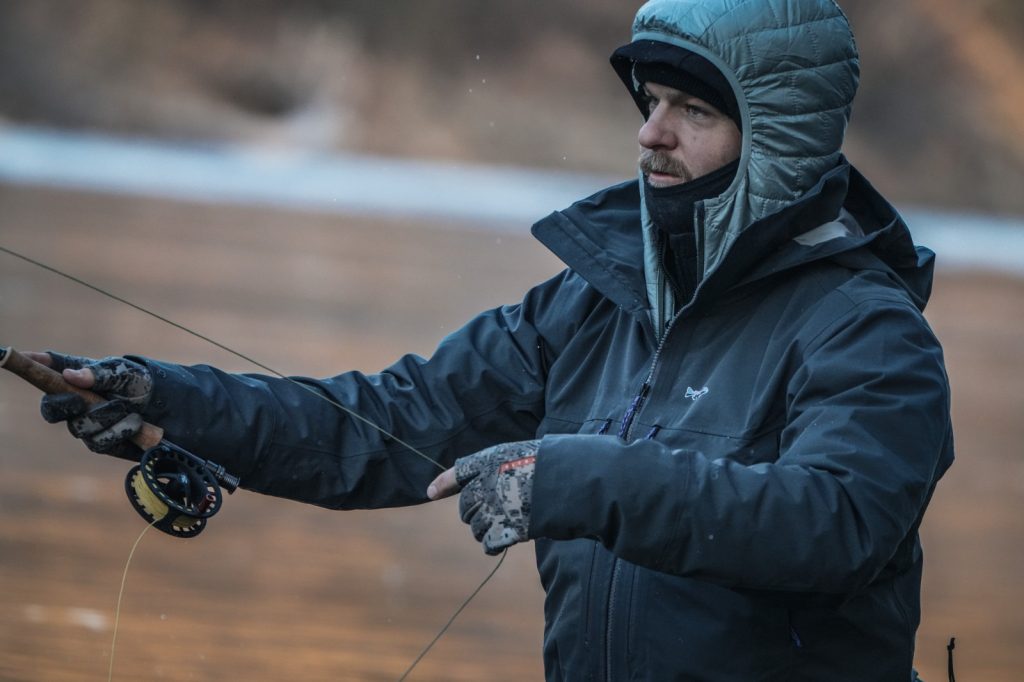
Fly fishing is a rewarding and exciting way to connect with nature while pursuing one of the most challenging freshwater game fish. Fly fishing for bass offers anglers a unique experience that combines skill, patience, and strategy. Whether you are a beginner or an experienced angler, understanding the techniques, gear, and strategies for bass fly fishing can dramatically improve your success rate.
Understanding Bass Behavior
To excel in fly fishing for bass, it’s crucial to understand their behavior. Bass are predatory fish that often lurk around structures such as submerged logs, rocks, and vegetation. They tend to be most active during early mornings and late afternoons when the water temperature is optimal. By knowing where bass hide and how they feed, you can position yourself for a more successful fishing session.
Essential Gear for Fly Fishing for Bass
Having the right equipment is key to mastering fly fishing for bass. A medium-action fly rod between 7 to 9 feet is ideal, paired with a weight-forward floating line. Bass are strong fighters, so a sturdy reel with a smooth drag system is essential. Additionally, selecting the right fly patterns, such as poppers, streamers, and soft hackles, can increase your chances of attracting bass.
Choosing the Best Flies
Selecting the appropriate flies is a crucial aspect of fly fishing for bass. Bass are opportunistic feeders, so using realistic patterns that mimic their natural prey is highly effective. Topwater flies are particularly exciting for summer fishing, creating splashes that provoke explosive strikes. In contrast, nymphs and streamers work well during cooler months or in murky water conditions.
Techniques for Successful Bass Fly Fishing
Mastering different techniques can significantly improve your fly fishing for bass success. Topwater fishing requires short, erratic strips to imitate injured prey, while subsurface fishing often relies on slow, steady retrieves to entice strikes. Learning to read water currents, identify feeding zones, and adjust your casting approach is essential for consistent results.
Seasonal Considerations
Bass behavior changes with the seasons, which affects your fly fishing for bass strategy. In spring, bass move into shallow waters to spawn, making them more aggressive and easier to target. Summer may require fishing in shaded areas or deeper water to find active bass. Fall offers prime fishing opportunities as bass feed heavily before winter, and winter demands patience and finesse as bass slow down.
Location and Habitat
The success of fly fishing for bass heavily depends on selecting the right location. Bass thrive in freshwater lakes, ponds, and slow-moving rivers with abundant vegetation and structure. Learning to identify ideal fishing spots, such as undercut banks, submerged timber, or weed beds, allows anglers to anticipate where bass are likely to strike.
Tips for Landing Bigger Bass
Landing larger bass requires both skill and patience in fly fishing for bass. Ensure your tippet is strong enough to handle powerful runs, and always play the fish carefully to avoid breaking your line. Observing the fish’s behavior during the fight can help you decide when to reel in and when to let it run. Additionally, using a net when bringing the bass ashore minimizes stress and ensures a safe release.
Common Mistakes to Avoid
Even experienced anglers make mistakes in fly fishing for bass. Common errors include overcasting, using the wrong fly size, or ignoring water temperature and seasonal changes. Another mistake is failing to observe bass behavior and habitat. By avoiding these pitfalls, you can improve your catch rate and enjoy a more rewarding fishing experience.
Catch and Release Practices
Practicing responsible fishing is vital in fly fishing for bass. Catch and release ensures sustainable populations and preserves the natural environment. Handle bass gently, wet your hands before touching the fish, and release it back into the water promptly. Following these practices not only protects the fish but also maintains a healthy ecosystem for future anglers.
Conclusion
Fly fishing for bass is a thrilling adventure that requires knowledge, patience, and proper technique. By understanding bass behavior, selecting the right gear and flies, mastering different techniques, and practicing responsible fishing, you can enhance your experience and success on the water. Whether you are a novice or seasoned angler, the excitement of catching bass with a fly rod offers unmatched satisfaction and keeps anglers coming back for more.