
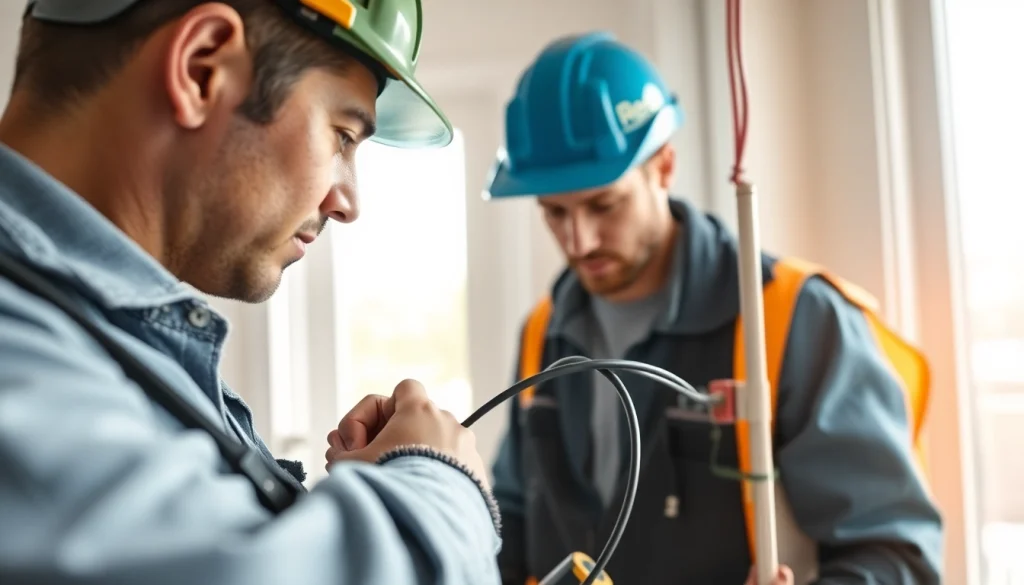
Understanding the Electrician Apprenticeship Hawaii
Embarking on a career as an electrician in Hawaii entails specialized training that combines classroom education with hands-on experience. The electrician apprenticeship hawaii serves as a critical pathway for aspiring electricians, allowing them to acquire necessary skills while learning from seasoned professionals in the field.
What is an Electrician Apprenticeship?
An electrician apprenticeship is a comprehensive training program designed to equip prospective electricians with the skills, knowledge, and experience needed to succeed in the electrical trade. The apprenticeship typically lasts several years and involves a combination of practical experience on job sites and formal education in classrooms. Participants, also known as apprentices, receive guidance from experienced electricians, allowing them to learn about electrical systems, wiring, codes, safety protocols, and more.
Benefits of the Electrician Apprenticeship Hawaii
Choosing to pursue an electrician apprenticeship in Hawaii offers numerous advantages:
- Hands-on Experience: Apprentices gain real-world experience, allowing them to apply theoretical knowledge in practical settings.
- Mentorship: Working closely with seasoned electricians provides invaluable insights and professional growth opportunities.
- Accelerated Career Path: Completing an apprenticeship can lead to quicker entry into the workforce and potentially higher earnings.
- Earn While You Learn: Apprentices are typically paid during their training, alleviating some financial burdens.
- Job Security: The demand for qualified electricians is consistently strong, offering good job stability.
Requirements for Enrollment
To enroll in an electrician apprenticeship program in Hawaii, candidates generally must meet specific requirements, which may include:
- Minimum age of 18 years
- High school diploma or GED
- Proof of a valid driver’s license
- Pass a drug test and background check
- Completion of any prerequisite coursework or assessments as dictated by the program
Finding Electrician Apprenticeship Programs
Locating quality electrician apprenticeship programs is essential for ensuring a successful start in the electrical field. Here are some steps and resources for finding suitable programs in Hawaii.
Top Resources for Program Listings
Various resources are available to help prospective apprentices find programs. Some top resources include:
- Local Trade Unions: Many unions offer apprenticeship programs that provide exceptional training and representation.
- Community Colleges: Institutions often have electrical programs that can lead to apprenticeship opportunities.
- Online Job Boards: Websites specializing in trades can list available apprenticeship positions.
- State Departments of Labor: These entities maintain lists of approved apprenticeship programs and offer valuable insights regarding local regulations.
Identifying Accredited Programs
Not every apprenticeship is created equal. When selecting a program, ensure it is accredited by recognized organizations, such as the National Electrical Contractors Association (NECA) or the International Brotherhood of Electrical Workers (IBEW). Accreditation signifies that the program meets specific quality standards and prepares apprentices effectively for the industry.
Applying for Electrician Apprenticeship Hawaii
Application processes typically involve filling out an application form, attending an interview, and potentially passing written assessments. Here are steps to prepare an effective application:
- Research: Understand different programs and their focus areas to select the best fit.
- Prepare Documentation: Gather necessary documents such as transcripts, proof of residency, and identification.
- Practice Interviewing: Prepare for potential interviews by practicing common questions related to electrical work and your motivation.
Skills Developed During the Apprenticeship
Electrician apprentices develop a broad range of skills, essential for performing their job efficiently and safely. This section explores both technical and soft skills acquired during the apprenticeship.
Technical Skills You Will Acquire
Throughout their training, apprentices will learn various technical skills, including:
- Understanding electrical theory and principles
- Reading blueprints and schematics
- Wiring, installation, and troubleshooting of electrical systems
- Knowledge of local and national electrical codes
- Installation of fixtures, circuits, and electrical panels
Soft Skills for Electricians
In addition to technical competencies, soft skills play a vital role in a successful electrical career. Essential soft skills include:
- Communication: Effective communication with clients and team members enhances job performance.
- Problem-Solving: Electricians frequently encounter unexpected issues, making problem-solving skills critical.
- Time Management: Managing multiple projects efficiently ensures that work is completed on schedule.
- Adaptability: The ability to adapt to new technologies and methods is essential in a constantly evolving field.
Safety Training and Regulations
Safety cannot be overemphasized in the electrical field. Apprentices will receive extensive safety training, which covers:
- Personal protective equipment (PPE) requirements
- Safe handling and installation of electrical components
- Emergency procedures and first aid practices
- Compliance with Occupational Safety and Health Administration (OSHA) regulations
Advancing Your Career After the Apprenticeship
Completing an apprenticeship can open many doors for electricians wishing to advance their careers. Here are steps to consider for growth.
Pursuing Licensure in Hawaii
After completing an apprenticeship, prospective electricians must pass licensure exams to work independently. Licensing typically includes testing on:
- National and local electrical codes
- Electrical theory
- Practical applications and safety procedures
Obtaining a license enhances credibility and increases potential job opportunities.
Specializations within the Electrician Field
The electrical trade offers various specializations that enhance knowledge and skills, providing electricians with the chance to tailor their careers. Some popular fields include:
- Residential Electrician: Focused on home wiring and electric systems.
- Commercial Electrician: Working on larger buildings, including offices and retail spaces.
- Industrial Electrician: Specialized in manufacturing and industrial environments.
- Instrumentation Technician: Handling instruments for measuring electrical or electronic variables.
Long-term Career Prospects and Earnings
The long-term career prospects for electricians are promising, reflected in increasing demand for skilled tradespeople globally. After becoming licensed, many electricians can expect:
- Higher earning potential due to specialized skills
- Job security as essential trades remain in demand
- Opportunities for self-employment or establishing a contracting business
Frequently Asked Questions
What is the duration of the Electrician Apprenticeship Hawaii?
The typical duration of an electrician apprenticeship in Hawaii ranges from four to five years, encompassing both classroom instruction and on-the-job training.
How do I find a mentor for my apprenticeship?
Look for experienced electricians within your chosen program or network through local trade unions and community organizations for potential mentorship opportunities.
Is financial aid available for the program?
Yes, financial aid options may be available through government programs, scholarships, and grants specific to trade education and apprenticeships.
What are the job prospects after completing the apprenticeship?
Job prospects for electricians are strong, with continued demand across various sectors, offering numerous employment opportunities upon completing the apprenticeship.
Can I work while completing my apprenticeship?
Most apprenticeships require full-time commitment, but some may allow part-time work, depending on the program structure and employer agreements.