
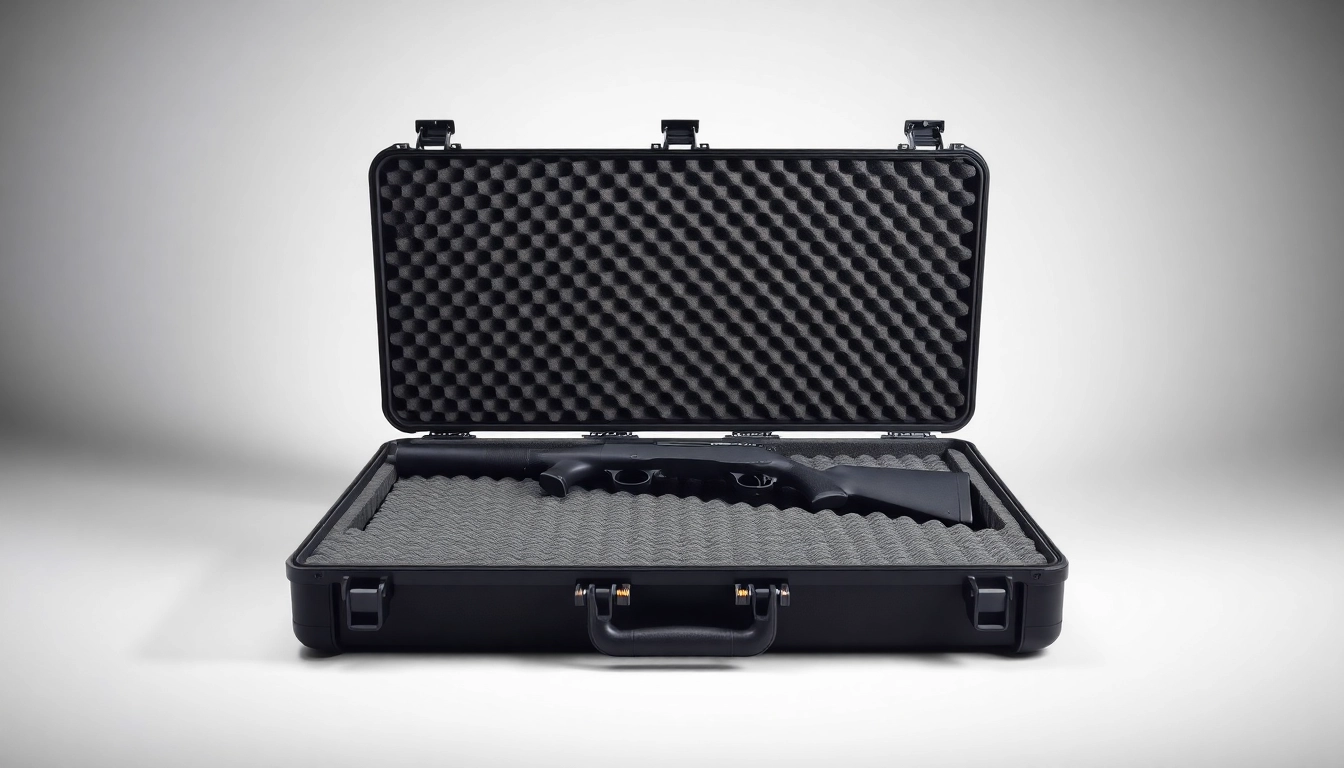
Understanding Foam for Rifle Case
What is Foam for Rifle Case?
Foam for rifle case refers to specialized padding designed to protect rifles during transportation and storage. It typically comes in various shapes and densities to conform to the specific contours of a rifle, ensuring a snug fit that minimizes movement during transit. This critical component of a gun case plays a vital role in absorbing shocks and impacts that could damage the firearm. Whether you are a tactical shooter, a hunter, or simply a firearm enthusiast, having the appropriate foam in your rifle case is essential for maintaining the integrity of your equipment.
Importance of Quality Foam
Investing in high-quality foam for your rifle case cannot be overstated. Quality foam provides superior protection against drops, bumps, and environmental factors such as moisture and temperature fluctuations. Inferior foam can break down over time, losing its effectiveness and exposing your firearm to potential damage. Quality foam also enhances the longevity of your rifle and maintains its resale value. In addition, using foam for rifle case designed for your specific type of firearm ensures that every component, from the stock to the scope, is appropriately cushioned and secured, reducing the risk of damage.
Types of Foam Used
There are several types of foam materials used in rifle cases, each providing distinct advantages:
- Polyethylene Foam: This is a closed-cell foam known for its durability and resilience. It provides excellent protection against impacts and is lightweight, making it a popular choice for many rifle cases.
- Polyurethane Foam: Offering great cushioning properties, polyurethane foam is softer and can be more comfortable to handle. This type of foam can contour to the shape of your rifle, providing a custom fit.
- Memory Foam: While not as common as polyethylene or polyurethane, memory foam offers exceptional comfort and adaptability. However, it might not be the best choice for heavy-impact protection.
- Cross-Linked Polyethylene Foam: This foam type combines the durability of polyethylene with additional flexibility, allowing for greater cushioning. It is often used in high-end cases.
Choosing the Right Foam for Your Needs
Consider the Type of Rifle
The first step in selecting the appropriate foam is considering the type of rifle you own. Different rifles have unique shapes and sizes, and your foam should match these specifications. For instance, a bolt-action rifle may require a different foam shape compared to an AR-15. Knowing your rifle’s dimensions will help you choose foam that fits snugly and protects your firearm effectively.
Evaluate Protection Level Needed
Evaluating how much protection your rifle needs is crucial. If you frequently travel with your firearm or participate in shooting competitions, investing in thick, high-density foam can provide peace of mind. You may want to consider reinforced foam options if your rifle is particularly valuable or if you plan on subjecting it to rough handling. Conversely, if your rifle is stored in a safe and only taken out occasionally, lighter foam may suffice.
Assess Durability and Maintenance
Different foam types offer varying levels of durability and maintenance requirements. Polyethylene foam, for instance, is known for its long lifespan and can tolerate spills or moisture quite well, making it easy to clean. On the other hand, polyurethane foam may not be as durable under harsh conditions. Assess how often you plan to use your rifle and choose foam accordingly, ensuring you won’t have to replace it frequently.
Benefits of Custom Foam Inserts
Enhanced Protection Features
Custom foam inserts offer unrivaled protective features tailored to your firearm’s specific dimensions. They provide enhanced security by reducing movement inside the case, ensuring that even in the event of a drop or impact, the rifle remains secure and undamaged. Custom inserts often come with features such as cutouts for magazines and optics, offering comprehensive protection for all accessories.
Personalization for Specific Rifles
One of the most significant advantages of custom foam inserts is the ability to personalize them for specific rifles and configurations. Whether you are carrying a scoped hunting rifle or a tactical setup, custom foam ensures that every part is secured in place. This not only enhances protection but also allows for easy access to your firearm without the hassle of adjusting or repositioning equipment.
Improved Carrying Convenience
Custom foam inserts facilitate better organization within your rifle case, providing designated spaces for additional accessories. This organization makes it easier to find what you need quickly, reducing the time spent fumbling with your gear before heading to the shooting range or the field. Ultimately, a well-organized case leads to a more enjoyable shooting experience.
Installation Tips for Foam Inserts
Measuring Your Rifle Case Correctly
Accurate measurement of your rifle case is critical for a successful foam installation. Start by measuring the length, width, and height of the interior of the case. Additionally, consider the different parts of your rifle that may require space, such as extended magazines or optical sights. Taking these measurements will ensure that your foam fits perfectly, maximizing protection.
Step-by-Step Installation Guide
Installing foam inserts can be a straightforward process. Follow these steps to ensure a proper fit:
- Cut the foam to the desired dimensions based on your measurements.
- Layer multiple sheets of foam if needed for added thickness.
- Use a utility knife or similar tool for precise cuts.
- Test fit the foam safely in the case without the rifle to ensure snugness.
- Make necessary adjustments if the foam is too loose or tight.
- Once satisfied, insert the customized foam into your rifle case.
Common Mistakes to Avoid
Some common pitfalls when installing foam inserts include:
- Not measuring accurately, leading to an improper fit.
- Using the wrong foam type for your particular storage needs.
- Failing to account for rifle accessories, which can lead to insufficient protection.
- Cuts that are not straight, resulting in uneven foam levels.
- Skipping the test fit of the foam before final installation.
FAQs About Foam for Rifle Case
How long does foam for rifle case last?
The lifespan of foam for rifle cases varies based on material and usage. High-quality polyethylene foam can last many years, while softer foams may degrade faster, especially if exposed to moisture.
Can I clean my foam insert?
Yes, most foams can be cleaned gently. Use a damp cloth and mild soap for surface cleaning. Avoid soaking the foam, as this can affect its integrity.
What is the difference between polyethylene and polyurethane foam?
Polyethylene foam is more rigid and durable, providing excellent shock resistance. Polyurethane foam is softer and more flexible, offering comfort and cushioning.
How do I choose the right thickness for my foam?
Choose foam thickness based on your rifle’s dimensions and the level of protection needed. Thicker foam provides more cushioning but may take up more space in your case.
Can I customize foam for different rifle designs?
Absolutely! Custom foam can be tailored to fit any rifle design, ensuring that all components are securely cushioned and protected during transport.