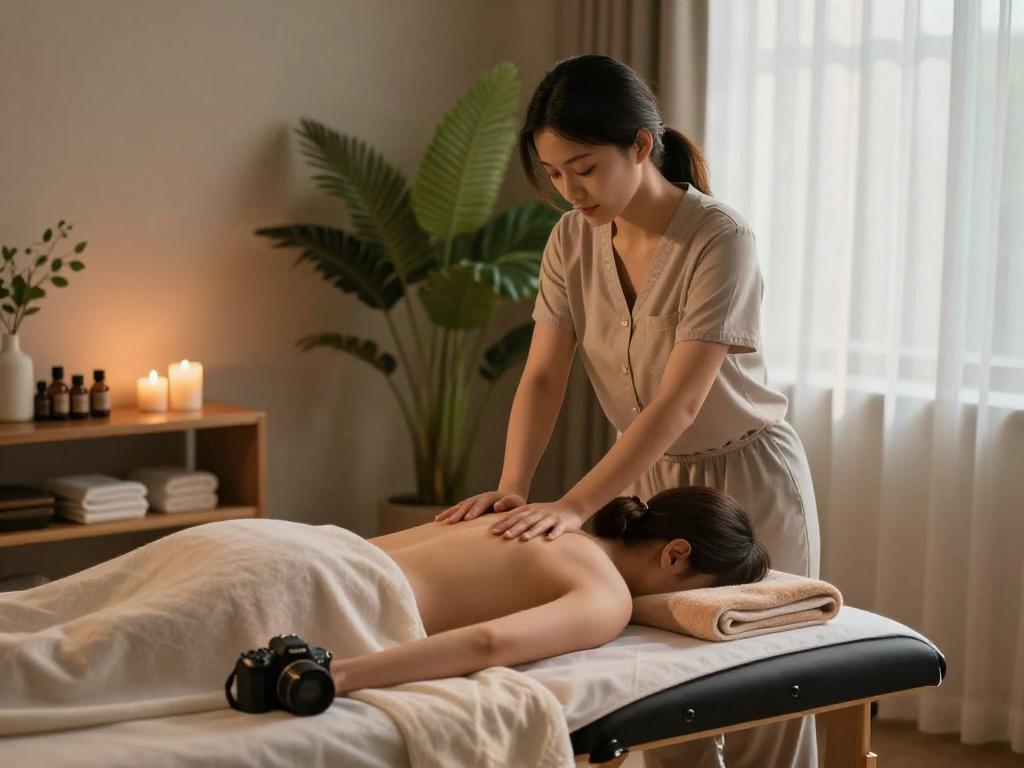
Introduction to Unique Health Courses
As we progress into a new era of health education, the demand for innovative and specialized learning opportunities continues to rise. Unique health courses cater to diverse learning needs, offering a multitude of avenues for personal and professional growth within the health sector. These courses not only cover traditional subjects but also explore emerging trends and technologies shaping the future of health. Today, individuals can select from various offerings that cater to specific interests and career goals while gaining essential skills needed to excel in the healthcare landscape. When exploring options, unique health courses provide comprehensive insights that can elevate your career in health.
What Are Unique Health Courses?
Unique health courses encompass a broad spectrum of educational programs that focus on specialized knowledge and skills related to various aspects of health and wellness. Unlike standard health courses, which may focus on general concepts, unique health courses delve into niche areas such as holistic health, mental wellness, nutritional science, and even emerging fields like telemedicine.
These courses are designed to meet the needs of professionals seeking to deepen their expertise, as well as individuals who are passionate about health and wellness. They can range from short-term workshops to extensive degree programs, offering flexibility for a variety of learners.
The Importance of Diverse Learning in Health
The healthcare industry is continuously evolving, driven by research advancements, technological innovations, and changing patient needs. Diverse learning experiences in health education ensure that students are kept abreast of the latest trends and methodologies, which is crucial for effective patient care and health management.
Moreover, incorporating different learning styles—such as hands-on training, online courses, and interactive workshops—enhances the overall educational experience, making it more engaging and effective.
Benefits of Enrolling in Unique Health Courses
Participating in unique health courses offers numerous advantages, including:
- Specialization: Learners can focus on specific areas of interest, giving them a competitive edge in the job market.
- Flexibility: Many courses are available online, allowing students to learn at their own pace and on their own schedule.
- Networking Opportunities: Enrolling in courses can lead to valuable connections with professionals in the health industry.
- Enhanced Skill Set: Specialized knowledge allows professionals to meet the evolving needs of their patients and contribute to improved health outcomes.
Exploring Popular Unique Health Courses
Online Health Courses: Flexibility and Accessibility
The rise of online education has transformed the landscape of health learning, allowing individuals from various backgrounds to access quality health education resources. Online health courses provide flexible options tailored to learners’ schedules, making it possible to balance education with work and personal commitments.
Platforms such as Coursera, edX, and Udemy offer a range of unique health courses, from mental health first aid to public health strategies. These courses often include video lectures, interactive assessments, and forums where students can engage with instructors and peers, enhancing the overall learning experience.
Specialized Training Programs for Health Professionals
Healthcare professionals often seek specialized training to enhance their expertise and advance their careers. Unique health courses tailored to professionals may include certifications in areas such as:
- Health and wellness coaching
- Specialized nutrition and dietetics
- Chronic disease management
- Public health policy and advocacy
- Telehealth systems and practices
These programs are designed to provide in-depth knowledge and practical skills that can be immediately applied in clinical settings.
Innovative Approaches to Health Education
Innovative approaches to health education, such as gamification and simulation-based learning, are gaining traction in unique health courses. These methods facilitate engaging, interactive learning experiences that help students better retain information and develop critical thinking skills.
Programs incorporating virtual reality and augmented reality technologies allow learners to practice skills in a realistic, controlled environment, which is particularly valuable in fields such as nursing and emergency medicine.
How to Choose the Right Unique Health Course
Identifying Your Learning Goals
Before enrolling in a unique health course, it's essential to identify your learning goals. Consider what you wish to achieve—whether it’s enhancing your current skill set, transitioning into a new specialty, or gaining certifications that will advance your career.
Clearly defined goals will guide your course selection and ensure that the learning experience aligns with your aspirations.
Evaluating Course Providers and Content
With numerous options available, it’s crucial to evaluate course providers carefully. Look for programs that are reputable and accredited by recognized organizations. Reading reviews and testimonials from former students can provide insight into the course quality and effectiveness.
Additionally, reviewing the course syllabus and materials will help you assess whether the content is relevant to your interests and professional needs.
Understanding Accreditation and Certification
Accreditation is an essential factor to consider when choosing a health course. Accredited programs ensure that the education provided meets specific quality standards. Certification from accredited programs can enhance your employability and demonstrate your commitment to professional development.
Before enrolling, verify the credentials of the course provider and ensure that the certification is recognized in your desired field.
Challenges in Health Course Enrollment
Common Misconceptions About Unique Health Courses
Many potential students may harbor misconceptions about unique health courses, such as believing that online courses lack credibility or that they require extensive prior knowledge. However, these courses are often designed for learners of varying backgrounds and can provide credible qualifications.
Addressing these misconceptions is vital to encouraging broader participation in diverse health education opportunities.
Overcoming Barriers to Education Accessibility
While many courses are available online, barriers such as cost, technology access, and time constraints can hinder enrollment. Educational institutions and organizations are increasingly offering scholarships, subsidized programs, and resources to aid learners in overcoming these challenges.
Additionally, online platforms often provide free resources, allowing learners to explore interests without financial commitment.
Tips for Success in Health Learning Environments
To maximize your learning experience in health education, consider the following tips:
- Stay organized: Keep track of assignments and deadlines to maintain a consistent study schedule.
- Engage with peers: Participate in discussions and collaborative projects to enhance understanding and retention.
- Utilize additional resources: Supplement your learning with books, articles, and online resources related to your course.
Future Trends in Health Education for 2025
Technological Innovations in Health Learning
The future of health education is heavily influenced by technological advancements. As virtual and augmented reality continue to evolve, they will play a more significant role in training healthcare professionals. The integration of artificial intelligence in personalized learning solutions is also on the horizon, offering tailored educational paths based on individual progress.
Moreover, online platforms will likely expand their offerings with more immersive and interactive courses, making learning more accessible than ever before.
The Growing Demand for Unique Health Skills
As society recognizes the importance of holistic health, the demand for unique health skills will continue to rise. Professionals equipped with knowledge in wellness, nutrition, and mental health will be highly sought after, making unique health courses an attractive option for individuals looking to enter or advance in the health field.
Predictions for Health Education Evolution by 2025
By 2025, we anticipate a significant transformation in health education, characterized by:
- Greater emphasis on interdisciplinary training that combines health science with technology and social sciences.
- Increased availability of micro-credentials that allow for specialized skill acquisition without pursuing a full degree.
- A global movement towards accessible health education, ensuring that resources are available to underserved populations.