A drone can carry a camera, inspect a roof, or move a small item without putting a person in the air. That range of jobs could affect your home, commute, and local services long before drone taxis become common.
- Routine inspections could happen without sending workers onto roofs or towers.
- Delivery drones need safe landing areas, quiet flight paths, and clear rules.
- Battery life, weather, privacy, and airspace limits will shape where drones work.
What changes first
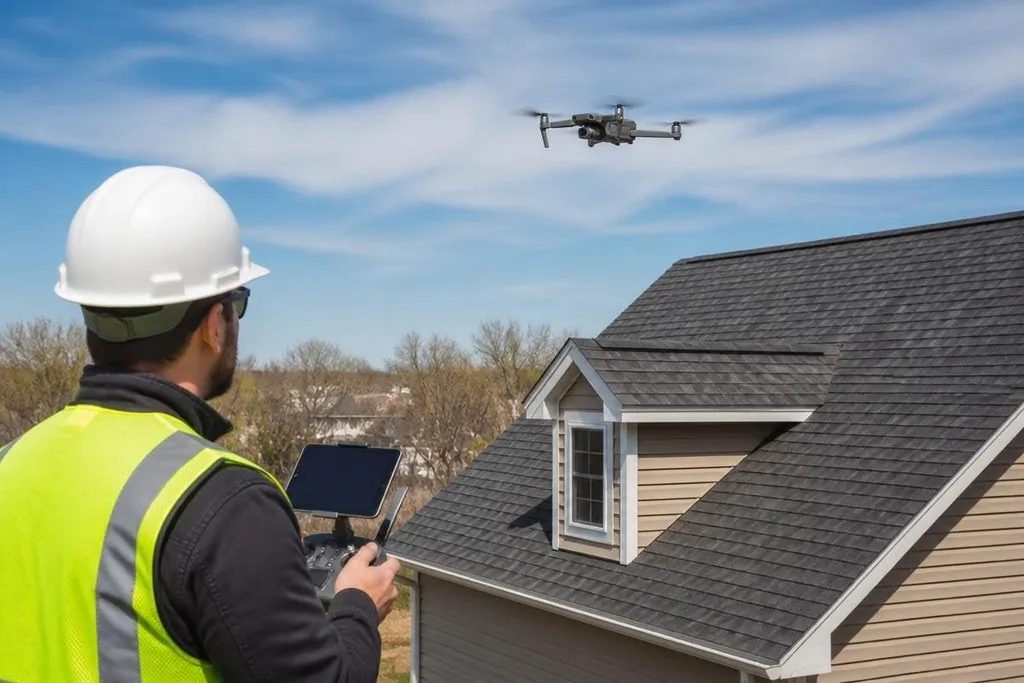
The first changes will likely happen in jobs that are dull, risky, or spread across large areas. Images from a drone can show a roof, power line, crop field, or bridge while a person stays on the ground.
That changes the work around the task. A technician can review the images, mark a problem, and send a crew with the parts they need. The drone does the flight and the first inspection; a person still makes the repair decision.
The same pattern could reach local deliveries. A nearby hub may send medicine, food, or a small parcel to a prepared landing point. Your building would need a safe place to receive it, and the operator would need a way to handle missed deliveries, pets, trees, and bad weather.
How the system works
A delivery drone needs more than rotors and a box. Its flight controller keeps the aircraft stable, while cameras and other sensors help it detect objects and track its position.
A remote operator may watch several flights from a control room. An autonomous system can follow a planned route, but it still needs rules for low battery, lost communication, strong wind, and a blocked landing area.
Those rules matter at home. If the aircraft can't confirm a safe landing, it should return, wait, or send the parcel to another location. That adds time, but it also keeps a small mistake from becoming a property or safety problem.
A parcel arriving by air still depends on the aircraft, delivery company, and airspace rules working together. Reports from Robot 24 can tie those pieces to named drone trials and delivery plans, so you can see what has moved beyond a test flight. The next question is how those services might fit into an ordinary day.
What daily life may feel like
You may notice drones first as service equipment rather than personal gadgets. A building manager could use one to check a roof after a storm.
A utility crew could inspect a line before sending a worker into difficult terrain. A farm operator could review parts of a field without walking every row.
Emergency work has a clear reason for using aircraft. It can reach a damaged road, carry a radio, or send live images before a larger team arrives. The useful question is not how dramatic the flight looks. It is whether the information arrives soon enough to change the next decision.
Drones could also make some services less visible. An inspection might happen at dawn, when fewer people are outside. A small aircraft may pass over a road, collect images, and return without anyone nearby noticing it.
That raises a privacy issue. Cameras can record homes, gardens, windows, and people who were never part of the task. Operators will need clear limits on where they fly, what they record, how long they keep it, and who can view it.
Where the limits remain
Battery capacity limits flight time and payload. Heavier parcels need more lift, which uses more energy and can reduce range. Wind, rain, cold, and heat add more limits.
Noise may matter just as much. A short flight over an industrial site is different from repeated flights beside apartment windows. Public acceptance will depend on the route, time of day, sound level, and reason for the flight.
I’d expect inspection and emergency work to spread before routine home delivery. Those jobs have a clear person or team responsible for the result, while a delivery network must solve many small problems at each address.
A practical test for a drone service
Before a drone service reaches your neighborhood, check these points:
- Task: Does the flight remove a real risk or delay?
- Route: Can the operator keep the aircraft away from homes, roads, and people?
- Landing: Is there a marked place where the drone can stop safely?
- Failure plan: What happens after a low battery, lost signal, or blocked route?
- Privacy: What images are recorded, and when are they deleted?
- Responsibility: Which company or public service handles damage and complaints?
A workable service needs to handle a bad-weather day, a missed landing, and a lost connection without asking people nearby to solve the problem. Until an operator can show that process, the drone remains a demonstration rather than part of daily life.