Understanding Landscapes: A Glimpse into Nature's Beauty
Definition of Landscapes
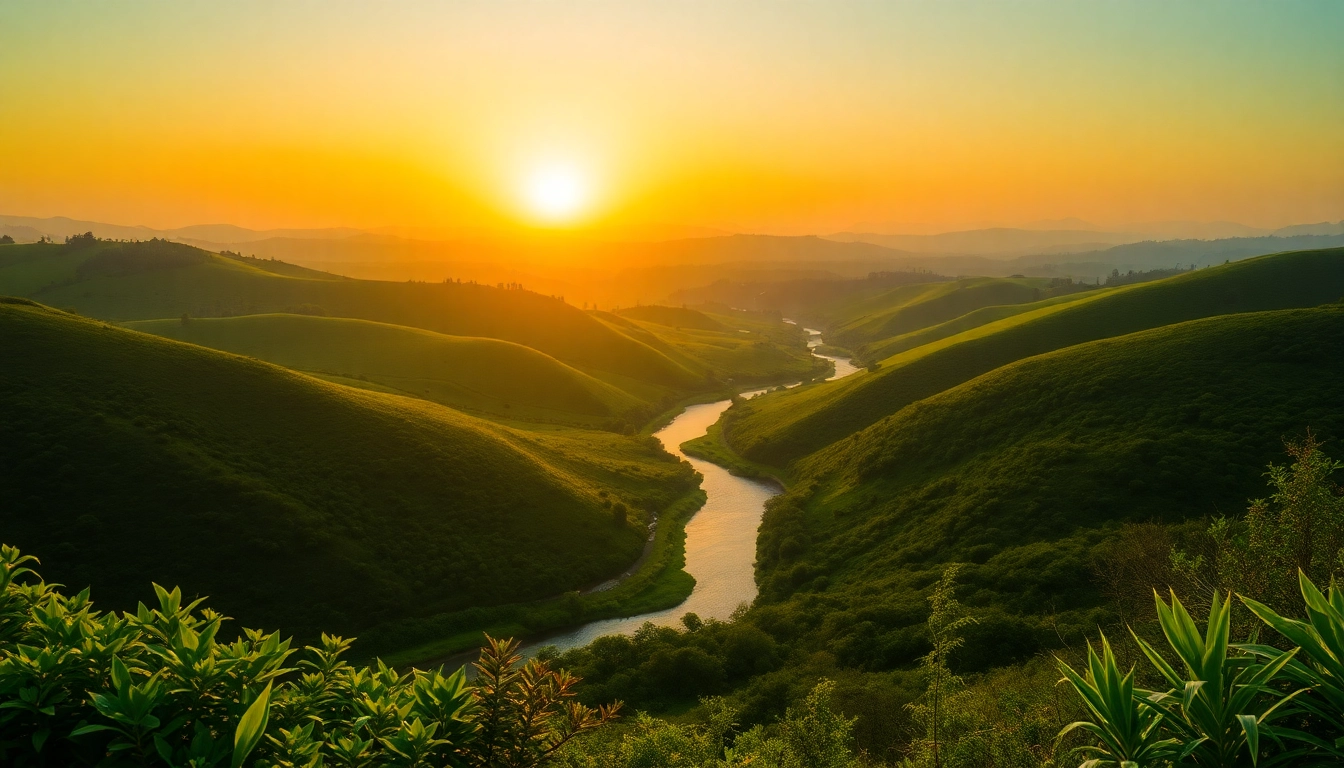
Landscapes, in their broadest sense, refer to the visible features of an area of land, encompassing natural elements such as mountains, valleys, trees, rivers, and man-made structures. The term invokes a sense of place and experience, revealing how various elements interact within a geographical space. Landscapes bring to mind not only a specific setting but also the emotions and stories tied to them. Within artistic contexts, landscapes can serve as a canvas for human expression, showcasing the beauty and complexity of our world. These landscapes can be seen as mirrors of the times in which we live, reflecting cultural values, environmental changes, and personal interpretations.
Importance of Landscapes in Art and Nature
Landscapes play a significant role in both nature and art, bridging the gap between the two realms. In nature, they serve as essential ecosystems that support a wide array of life forms, influence weather patterns, and contribute to the health of the planet. Various landscapes, from deserts to forests, impact biodiversity and climate regulation. In the realm of art, landscapes serve as a vital subject for artists looking to explore themes of human connection to the environment, illustrate emotional states, or challenge perceptions of reality. Through various techniques and periods, landscapes in art grant viewers insight into the artist’s worldview, cultural background, and the significance of nature in society. Whether approached through the lens of an artist's brush or a photographer’s camera, landscapes hold an unparalleled power to engage and inspire.
Exploring Different Types of Landscapes
Landscapes come in innumerable varieties, each with distinct characteristics and ecological significance. Common types of landscapes include:
- Mountain Landscapes: Often characterized by high elevations, rocky terrain, and spectacular views, these landscapes are home to unique flora and fauna.
- Coastal Landscapes: Defined by the meeting of land and sea, coastal landscapes feature beaches, cliffs, and estuaries, offering rich biodiversity.
- Desert Landscapes: These arid regions are characterized by minimal vegetation, extreme temperatures, and unique geographic formations.
- Forest Landscapes: Dense with trees and underbrush, forest landscapes play a critical role in carbon storage and habitat provision.
- Urban Landscapes: A fusion of natural and man-made elements, urban landscapes illustrate the development and organization of human societies while also incorporating green spaces.
Understanding these various types of landscapes is crucial for appreciating the ecological balance and cultural value they embody.
Capturing Landscapes: Photography Techniques for Beginners
Essential Equipment for Landscape Photography
For those interested in capturing the beauty of landscapes through photography, the right equipment is essential. At a minimum, one should consider investing in:
- Camera: A DSLR or mirrorless camera provides versatility and superior image quality for landscape photography.
- Tripod: A sturdy tripod is crucial for stabilizing your camera during long exposure shots, allowing for clearer images, especially in low-light conditions.
- Wide-Angle Lens: These lenses capture expansive views, making them ideal for vast landscapes.
- Neutral Density Filters: These filters help to manage light exposure and allow for creative shooting techniques, such as smooth water effects in waterfalls or rivers.
Having the right equipment not only enhances the quality of images but also allows photographers to experiment with various techniques and styles.
Best Practices for Composition
Composition underpins captivating landscape photography. Following these best practices can elevate your images:
- Rule of Thirds: Begin by dividing the frame into a 3x3 grid and place focal points along the gridlines for balanced and engaging compositions.
- Leading Lines: Use natural elements like roads, rivers, or pathways to lead the viewer's eye through the image.
- Framing: Incorporate foreground elements to create a frame that directs attention toward the main subject.
- Layering: Use multiple layers within the composition to add depth and interest.
By employing thoughtful composition techniques, photographers can create images that resonate more profoundly with viewers.
Lighting Techniques for Stunning Landscapes
Lighting is one of the most critical elements in landscape photography. Here are some techniques to enhance your images:
- Golden Hour: Shoot during sunrise or sunset when the light is warm and soft, producing stunning colors and shadows.
- Backlighting: Capture scenes where the light source is behind the subject, creating dramatic silhouettes and highlights.
- Long Exposure: Use longer shutter speeds to create smooth water surfaces or ethereal cloud movements, adding a dream-like quality to your images.
Experimenting with lighting can dramatically alter the mood and impact of a landscape photograph, allowing photographers to express their unique vision.
Landscapes in Culture: Symbolism and Influence
The Role of Landscapes in Literature
Literature has long leveraged landscapes to evoke emotion, symbolize states of mind, and set the scene. Authors often use landscapes to reflect characters’ journeys, struggles, or transformations. For instance, in many classic novels, vast deserts symbolize isolation and introspection, while lush forests can represent mystery or adventure. Writers such as Wordsworth and Thoreau vividly painted nature through their verses, emphasizing its importance to the human experience. By analyzing literary landscapes, readers can gain deeper insights into the symbolism and thematic depth woven throughout the narratives.
Landscapes in Visual Arts and Interpretation
Visual arts encapsulate landscapes through various media—painting, drawing, and photography. Artists like Claude Monet and Vincent van Gogh have immortalized landscapes, showcasing not just the external beauty of the environ but also the emotional resonance of nature. Interpretation is subjective; viewers might see peace, chaos, nostalgia, or the sublime in landscapes based on their own experiences. Additionally, the integration of cultural elements into landscapes—such as architecture or traditional practices—enriches the interpretation, blending human existence with the natural world. As culture evolves, so does the portrayal of landscapes, reflecting changes in societal values towards nature.
Evolving Perceptions of Landscapes Through History
The perception of landscapes has shifted remarkably over the ages, influenced by philosophical shifts, changes in technology, and evolving environmental understanding. During the Romantic era, nature was idealized and viewed as a reflection of human emotion, while Industrialization brought about a more utilitarian view of landscapes, focusing on development and progress. Today, with an increased awareness of climate change and ecological degradation, artists and thinkers are beginning to view landscapes through a lens of sustainability, advocating for conservation and respect for natural habitats. This evolution indicates not only a change in how landscapes are perceived but also reflects broader societal values.
Creating Your Own Landscapes: Painting and Drawing Tips
Choosing Your Medium: Watercolor vs. Acrylics
When creating landscapes, selecting the right medium can significantly influence your artistic expression. Watercolor paints possess a delicate, transparent quality that is excellent for capturing ethereal landscapes—but they require control and practice. On the other hand, acrylics offer vibrant colors and versatility, allowing for quick experimentation and bold applications. Artists should choose the medium that best aligns with their desired outcome and level of comfort, as both can produce captivating landscapes when utilized effectively.
Color Theory and Landscape Creation
A foundational understanding of color theory is crucial for creating stunning landscapes. Beyond mere color choices, artists need to consider value, saturation, and complementary colors. Utilizing color harmony can evoke specific moods; for example, cool colors like greens and blues can induce calmness, while warm colors such as reds and oranges often evoke energy. Additionally, understanding local color versus atmospheric color can help create depth, allowing for a more realistic portrayal of landscapes. With practice, artists can refine their color palette and develop their unique artistic voice.
Techniques for Capturing Depth and Perspective
Successfully creating a sense of depth in landscapes requires various artistic techniques. One effective approach is the use of atmospheric perspective, where distant objects are depicted lighter and cooler in color to mimic how they appear to the human eye. Additionally, overlapping objects, employing size variation, and using linear perspective can help to create a three-dimensional feel on a two-dimensional surface. Artists can practice these techniques by studying photographs or plein air landscapes, gradually integrating their findings into original compositions.
Sustaining Landscapes: Environmental Awareness and Conservation
The Impact of Human Activity on Landscapes
Human actions have drastically altered landscapes across the globe, often leading to environmental degradation. Urban development, deforestation, pollution, and agriculture have transformed natural landscapes, affecting biodiversity and ecosystem health. These changes can lead to soil erosion, habitat loss, and changes in local climate patterns. Understanding the repercussions of such actions underscores the importance of implementing responsible practices and promoting sustainable development to protect these vital ecological resources.
Importance of Conservation Efforts
Conservation efforts aim to protect and restore landscapes, ensuring that ecosystems are preserved for future generations. These initiatives often involve local communities and governments working collaboratively to recognize and optimize the ecological, cultural, and economic value of landscapes. Protected areas, restoration projects, and environmental education all contribute to preserving biodiversity and mitigating climate change effects. As custodians of the planet, individuals must advocate for awareness and engagement in conservation practices.
Ways to Support Landscape Preservation Initiatives
Supporting landscape preservation can take many forms. Individuals can participate in local conservation programs, volunteer for restoration projects, or donate to organizations dedicated to preserving natural habitats. Additionally, practicing sustainable habits—such as reducing waste, participating in eco-friendly tourism, and advocating for policy changes—can have a remarkable impact on safeguarding landscapes. By fostering a collective responsibility for our natural surroundings, each person can play a vital role in landscape preservation.
Frequently Asked Questions
What defines a landscape in art?
A landscape in art typically features natural scenery such as mountains, valleys, trees, and rivers, often used to convey emotions or themes about humanity's relationship with nature.
What equipment do I need for landscape photography?
Essential equipment for landscape photography includes a good camera (DSLR or mirrorless), a sturdy tripod, a wide-angle lens, and neutral density filters.
How can I improve the composition of my landscape photographs?
To improve composition, utilize the rule of thirds, leading lines, framing techniques, and layering elements to create depth and visual interest.
What are some techniques for painting landscapes?
Techniques for painting landscapes include mastering color theory, utilizing atmospheric perspective, and employing both watercolor and acrylic medium based on desired effects.
How can I participate in landscape conservation efforts?
You can participate by volunteering for local conservation projects, donating to environmental organizations, and practicing sustainable habits in your daily life.