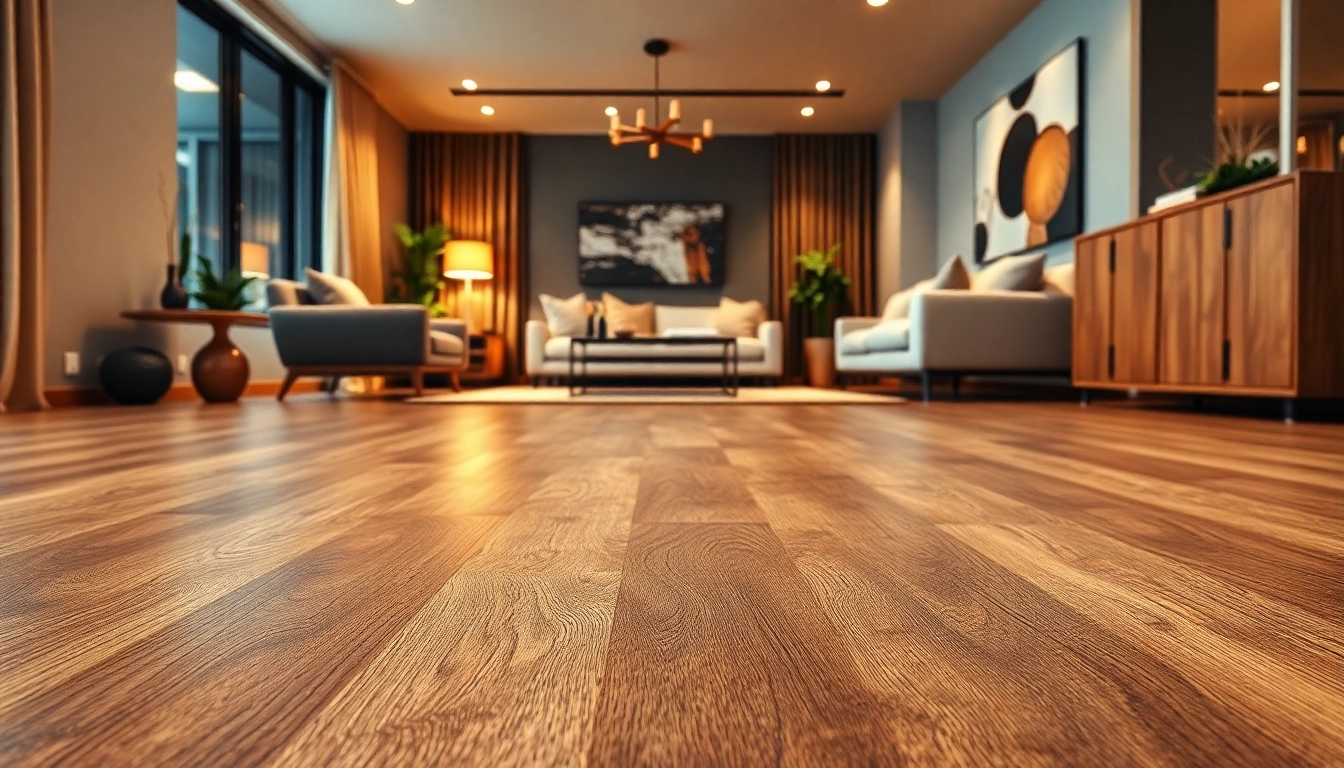
Understanding LVP Flooring and Its Benefits
What is LVP Flooring?
Luxury Vinyl Plank (LVP) flooring is a versatile and highly durable flooring option designed to mimic the appearance of natural materials like wood and stone while offering exceptional longevity and resilience. Unlike traditional vinyl flooring, LVP is thicker and often includes a rigid core, making it suitable for a variety of applications in both residential and commercial settings. It is particularly well-suited for areas prone to moisture, such as kitchens, bathrooms, and basements. With options available ranging from rustic hardwood looks to sleek modern stones, lvp flooring provides an attractive and affordable alternative to conventional flooring choices.
Advantages of Choosing LVP Flooring
When considering flooring options, LVP stands out due to several key advantages. Firstly, its resistance to moisture makes it ideal for damp environments, reducing the risk of mold and mildew. Secondly, LVP is known for its ease of maintenance; a simple sweep and occasional mopping are often sufficient to keep it looking new. Additionally, its durable surface is resistant to scratches and scuffs, making it pet-friendly and family-friendly. Furthermore, LVP offers a wide range of styles and finishes, ensuring that there’s an option to match any home décor, from contemporary to traditional.
Comparing LVP Flooring to Other Options
When contrasting LVP flooring with alternatives like hardwood and tile, several factors come into play. Hardwood flooring, while beautiful, is susceptible to water damage and requires significant maintenance. In contrast, LVP resists moisture without sacrificing aesthetic appeal. Tile is durable and easy to clean, but can be cold and uncomfortable underfoot, whereas LVP retains warmth, providing comfort. Ultimately, LVP offers a perfect balance of durability, appearance, and cost-effectiveness, making it the go-to choice for modern homeowners.
Popular Styles and Designs of LVP Flooring
Trendy Patterns for Modern Homes
Today’s LVP flooring comes in a myriad of patterns and styles, catering to diverse tastes. From chic herringbone to classic plank arrangements, these designs can enhance the aesthetic of any room. Contemporary homes often lean towards geometric patterns, which offer a modern twist, while traditional styles emphasize a rustic or vintage look. These distinct designs allow homeowners to express their individual style, tailored to fit their personal space.
Natural Looks: Wood and Stone Finishes
One of the most appealing features of LVP flooring is its ability to replicate the natural aesthetics of wood and stone. Wood finishes range from light oak to deep walnut tones, each invoking a different mood and ambiance. Stone finishes offer a natural earthy feel, mimicking everything from slate to marble. This versatility provides homeowners with choices that can harmonize with other elements in their homes while ensuring practicality and comfort.
Customizing Your LVP Flooring Choices
Customization is a significant advantage of LVP flooring. Many manufacturers offer various customizable options, allowing for personalized hues, textures, and sizes. This customization ensures each space reflects the homeowner’s unique style while allowing for creative combinations—such as pairing different styles across various rooms or defining spaces within large areas.
Installation Process for LVP Flooring
Preparing Your Space for Installation
Before LVP flooring installation, adequate preparation is imperative. Begin by measuring your space accurately and estimating the amount of material needed. Next, ensure the subfloor is clean, dry, and level to provide a proper base. Any existing carpet or old flooring must be removed, along with any debris that could impede installation. Proper acclimation of the LVP planks is also essential—lay them flat in the room for at least 48 hours to adapt to the environment.
Step-by-Step Installation Guide
- Begin by laying out the LVP planks in the desired pattern to visualize the final design.
- Using a utility knife, cut the planks to fit around corners and door frames as needed.
- Start from one corner of the room, clicking the planks together as you work across the space.
- Ensure each plank locks securely to prevent shifting, using a tapping block to fit them tightly.
- As you near walls or fixed objects, measure and cut the final pieces to size, maintaining an expansion gap.
Common Mistakes to Avoid
When installing LVP flooring, there are common pitfalls to avoid. Failing to acclimate the planks can result in expansion or contraction post-installation. Another error is not allowing for expansion gaps at walls and fixtures, leading to buckling. Lastly, rushing through cuttings can produce uneven edges—always take your time to ensure precise measurements and cuts for a polished finish.
Maintenance Tips for LVP Flooring
Cleaning and Care Best Practices
Routine cleaning of LVP flooring is essential to preserve its sheen and prolong its life. Use a soft-bristled broom or vacuum cleaner without a beater bar to avoid scratches. For mopping, ensure the mop is damp (not soaking) and use a pH-neutral cleaner formulated for LVP. Avoid harsh chemicals that can degrade the surface over time. Implementing a mat at entrances will help trap dirt and debris, reducing the frequency of cleaning needed.
Long-Term Care for Durability
To maintain the durability of LVP flooring, regularly assess its condition for signs of wear. Scratches or dents can be repaired through a simple buffing process, while deep stains may require replacement of the affected planks. Keeping humidity levels stable helps in preventing issues such as warping. It's beneficial to rotate furniture to minimize wear in areas of high foot traffic.
Handling Repairs and Replacements
In the event of damage, LVP flooring offers straightforward repair opportunities. For small scratches, consider using a repair kit specific to vinyl flooring, while more significant damage may necessitate the replacement of an entire plank. Since LVP is designed for ease of removal, these repairs can often be executed without special tools or professional assistance. Maintaining extra planks from the original installation can help ensure replacements match perfectly.
Frequently Asked Questions About LVP Flooring
Can LVP Flooring be installed over existing floors?
Yes, LVP flooring can typically be installed over existing floors, provided the surface is smooth, clean, and dry. This method can save time and cost in removal.
How long does LVP Flooring typically last?
With proper care and maintenance, LVP flooring can last 20-30 years, making it a long-lasting investment in your home.
Is LVP Flooring resistant to moisture?
Yes, LVP flooring is highly resistant to moisture and is suitable for installation in humid areas like bathrooms and kitchens.
What is the cost range for LVP Flooring?
The cost of LVP flooring varies, generally ranging from $2 to $7 per square foot, depending on quality and design. Additional installation costs may apply.
Can LVP Flooring be refinished like hardwood?
Unlike hardwood flooring, LVP cannot be refinished. However, it is designed to withstand wear without significant maintenance.