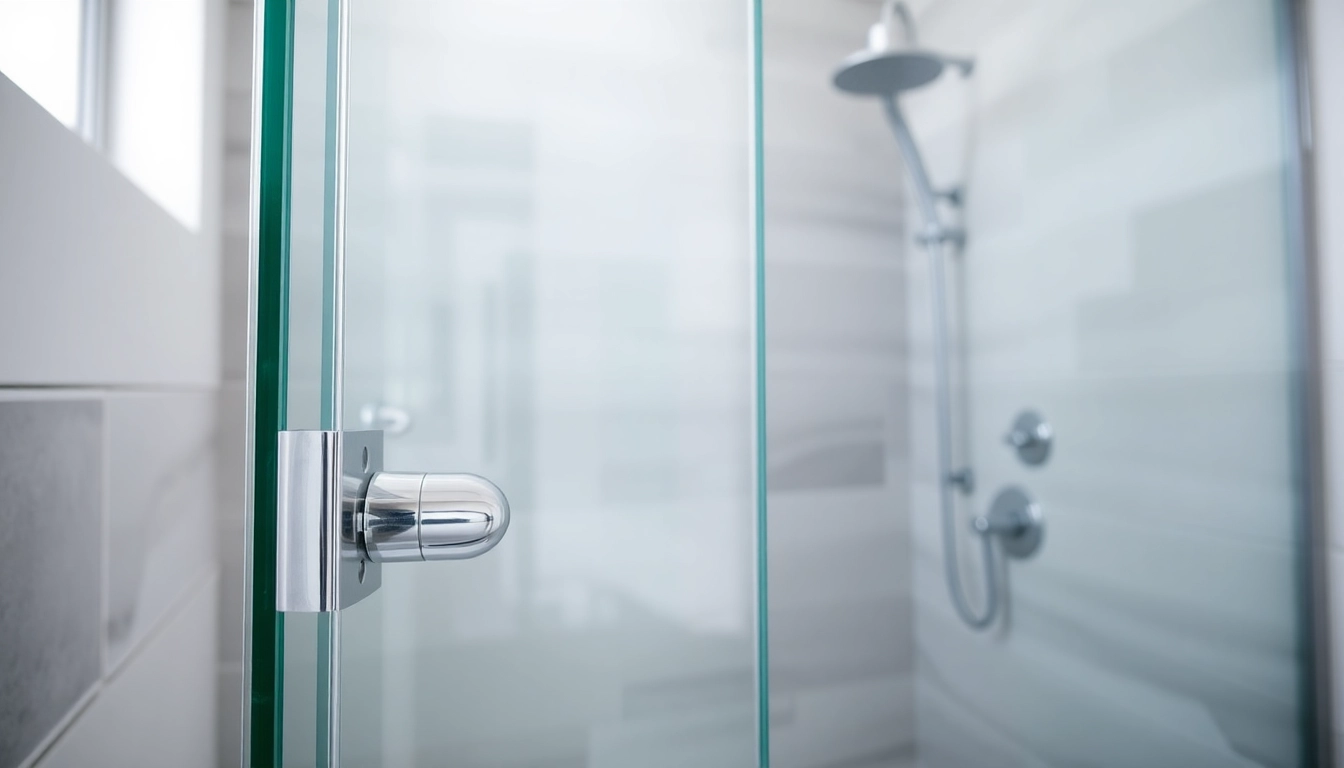
Understanding the Importance of a Shower Screen Door
Why You Need a Shower Screen Door
In modern bathroom designs, the shower screen door has evolved from a mere functional element to a pivotal design feature. Unlike the traditional shower curtain, a shower screen door offers an excellent way to contain water while adding a touch of elegance to your bathroom. This dual purpose is critical in fostering a clean and organized atmosphere, which is particularly essential in smaller spaces. By preventing overflow and reducing mold growth, a shower screen door provides a hygienic and stylish solution for your bathing area.
Benefits of Installing a Shower Screen Door
Installing a shower screen door comes with numerous advantages that can enhance both your bathing experience and bathroom aesthetics. Here are some key benefits:
- Enhanced Space Efficiency: Shower screen doors come in various designs that can fit any space, making them ideal for small bathrooms where every inch counts.
- Improved Safety: Unlike slippery shower curtains that can cling to you while bathing, a glass door offers a stable barrier, preventing slips.
- Easy Maintenance: Glass doors require less upkeep compared to curtains which can stain and wear out over time. With regular cleaning, they can retain their clarity and elegance.
- Increased Property Value: A well-installed shower screen door can boost the overall appeal of your bathroom, making your home more attractive to potential buyers.
Types of Shower Screen Doors Available
When considering a shower screen door, it's essential to know the different types available to find the best fit for your needs:
- Frameless Doors: Offering a sleek and modern look, frameless shower doors create an open feeling in the bathroom while providing a clear view.
- Semi-Frameless Doors: A cross between fully framed and frameless, these doors provide stability while retaining a contemporary aesthetic.
- Bi-Fold Doors: Ideal for tight spaces, bi-fold doors fold inwards, saving space while allowing easy access.
- Sliding Doors: Great for larger bathrooms, sliding doors glide along a track, making them suitable for walk-in showers.
- Bathtub Screen Doors: Designed for bathtubs, these doors prevent water splashing out while taking a shower.
Choosing the Right Shower Screen Door for Your Bathroom
Factors to Consider When Selecting
Choosing the correct shower screen door is crucial for both functionality and design. Here are some factors to consider:
- Space Availability: Measure your bathroom space accurately to determine the type and size of shower screen door that will fit best.
- Style and Design: Consider the overall design of your bathroom. Choose a door that complements existing fixtures and features.
- Material: Commonly made from glass, consider tempered or laminated glass for safety and durability. Frame materials should also be rust-resistant.
- Ease of Use: Ensure the door opens smoothly and that you can operate it comfortably, especially in confined spaces.
How to Measure Your Space Accurately
Accurate measurements are essential for a perfect fit. Follow these steps:
- Measure the width of the shower space at the base and the top to ensure uniformity.
- Measure the height from the shower threshold to the ceiling or any obstructions.
- Account for any fixtures that may affect the door's operation, such as taps or shelving.
- Always measure twice to confirm accuracy before purchasing your shower screen door.
Styles and Designs to Match Your Aesthetic
Your shower screen door should reflect personal style while integrating seamlessly with your bathroom’s aesthetic. Here are popular design options:
- Classic Clear Glass: Enhances light and space in traditional and modern bathroom designs.
- Frosted Glass: Offers privacy while maintaining an airy feel and suits contemporary tastes.
- Textured Glass: Adds an artistic touch and can hide water spots, appealing to busy households.
- Framed vs. Frameless: Decide based on your design preference; frameless is modern, while framed can contribute to vintage aesthetics.
Installation Process of a Shower Screen Door
Tools and Materials Required
Before you begin the installation process, gather the necessary tools and materials:
- Measuring tape
- Level
- Drill and drill bits
- Screwdriver
- Sealant and tape
- Rubber gaskets and mounting hardware
- Cleaning materials for final touches
Step-by-Step Installation Guide
Here’s a straightforward installation guide to ensure you set your shower screen door correctly:
- Prepare the Area: Ensure the shower area is clean and free of debris.
- Install Brackets: Using a level, mark where to install the brackets on both walls. Drill holes and secure the brackets in place.
- Attach the Door: Carefully lift the shower screen door and attach it to the brackets. Ensure it’s plumb using a level before tightening.
- Seal Edges: Apply silicone sealant to the edges to prevent water leaks. This is critical for maintaining a waterproof seal.
- Final Adjustments: Adjust the door if needed to ensure it swings open and closed smoothly.
Common Mistakes to Avoid During Installation
Avoiding certain pitfalls can save you time and frustration:
- Incorrect Measurements: Double-check all measurements before cutting or installing.
- Poor Sealing: Don’t skip the sealant application; it’s vital for preventing leaks.
- Neglecting Safety: Ensure you’re wearing safety glasses when drilling and handling glass.
- Ignoring Manufacturer Instructions: Always follow the specific installation guidelines provided by the manufacturer.
Maintaining Your Shower Screen Door
Cleaning Tips for Longevity
To ensure your shower screen door remains crystal clear and free from damage, implement these cleaning tips:
- Use Proper Cleaners: Opt for non-abrasive cleaners or a mixture of vinegar and water to avoid scratches.
- Regular Maintenance: Wipe down the doors after each shower to prevent hard water deposits and soap scum buildup.
- Deep Cleaning: Perform a deep clean once a month with a glass cleaner to keep the door sparkling.
Preventing and Addressing Common Issues
Common issues can arise with shower screen doors, but many can be easily fixed:
- Water Leaks: Inspect seals regularly and replace damaged or worn-out caulking immediately.
- Stuck Doors: Ensure tracks are clean and free from debris; lubricate mechanisms annually.
- Glass Damage: Handle glass carefully to prevent chipping and cracks, and always keep glass debris contained upon breakage.
When to Call a Professional
While DIY is feasible for many, there are instances when seeking professional help is advisable:
- Complex Installations: If your shower design is atypical or involves additional plumbing.
- Repairs Beyond Skills: Broken hardware or significant leaks may require specialized skills or tools.
- Customization Needs: If you desire a custom shower screen door tailored to specific designs or dimensions.
FAQs about Shower Screen Doors
What sizes are available for shower screen doors?
Shower screen doors are available in various sizes, typically ranging from 70cm to over 200cm in width. Custom sizes can often be ordered to fit unique spaces.
Are shower screen doors easy to install yourself?
Yes, shower screen doors can usually be installed by homeowners with basic DIY skills. Following the manufacturer’s instructions carefully is essential for best results.
How do I clean and maintain my shower screen door?
Use non-abrasive cleaners or a vinegar solution for cleaning. Regular wiping down helps prevent buildup, and monthly deep cleaning keeps the glass clear.
Can I customize the design of my shower screen door?
Yes, many manufacturers offer customization options, including size, glass type, and frame finishes, catering to personal design preferences.
What materials are best for shower screen doors?
Tempered glass is highly recommended for its safety and durability. Frame materials like aluminum or stainless steel provide longevity and resistance to corrosion.