1. Introduction to Electrician Trade Schools in Colorado
1.1 What Is Electrician Trade School?
Electrician trade schools are specialized institutions aimed at preparing students for a successful career in the electrical field. These schools provide a structured program focused on both practical and theoretical knowledge essential for becoming a qualified electrician. Typically, these programs encompass coursework in electrical theory, circuitry, safety practices, and hands-on training using the latest tools and technologies.
1.2 Importance of Electrician Training in Today’s Economy
In an era marked by rapid technological advancement and urban development, electricians have become vital players in ensuring safety and efficiency in both residential and commercial settings. With a surge in construction and renovation projects, the demand for skilled electricians continues to rise. Consequently, attending an electrician trade school in Colorado equips aspiring electricians with the necessary skills to thrive in this dynamic job market.
1.3 Overview of Electrician Career Opportunities
Electricians can specialize in various areas, including residential, commercial, and industrial sectors. Career opportunities range from installation and maintenance of electrical systems to advanced roles in energy management, automation, and smart technology integration. With the growth of renewable energy sectors, electricians with specialized knowledge in solar and wind power installations are increasingly in demand.
2. Benefits of Attending Electrician Trade School in Colorado
2.1 Gaining Hands-On Experience and Real-World Skills
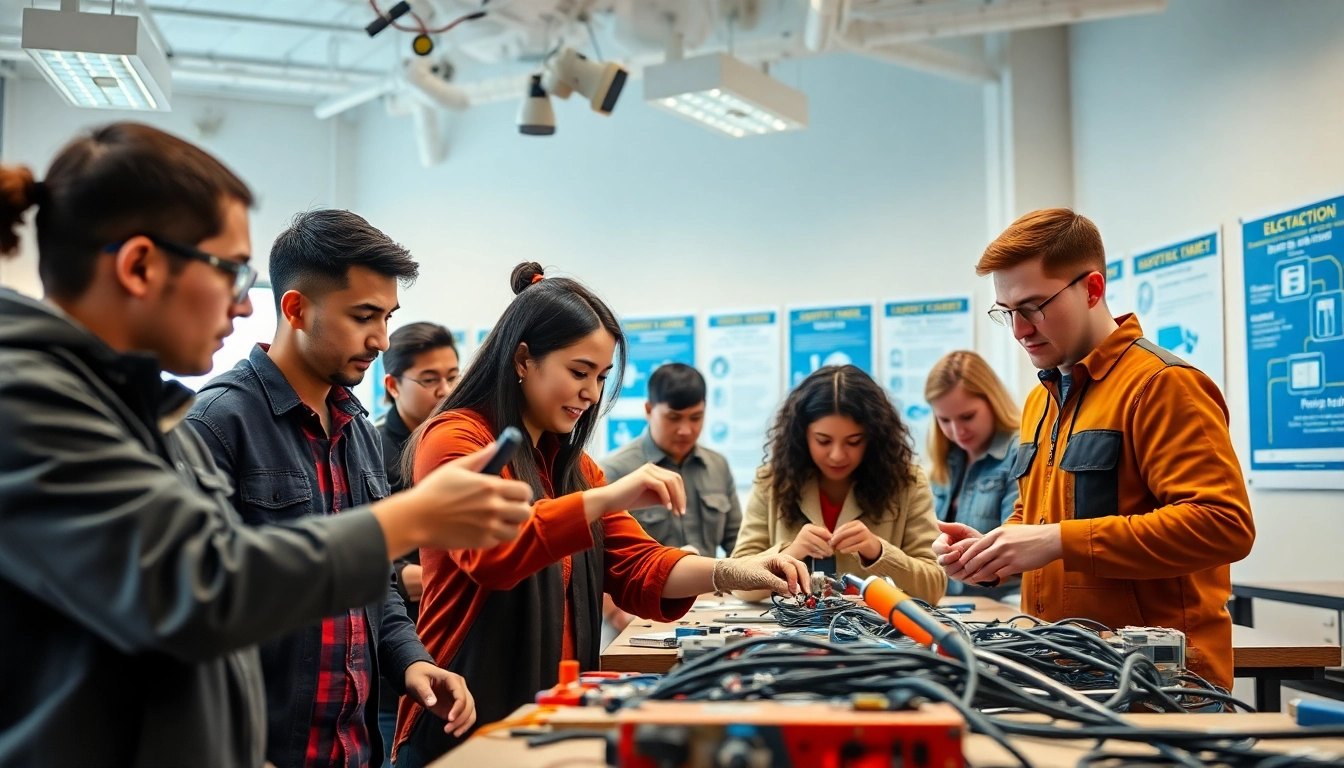
One of the primary advantages of attending an electrician trade school is the hands-on experience students receive. Unlike theoretical course materials, practical training allows students to engage with real-world scenarios, such as wiring systems and troubleshooting malfunctions. This experiential learning is invaluable, as it develops problem-solving abilities and technical skills that employers look for in potential hires.
2.2 Networking Opportunities and Industry Connections
Electrician trade schools often have connections with local businesses, contractors, and industry organizations. These relationships provide students with opportunities to network and connect with potential employers. Through internships, job fairs, and industry events hosted by the school, students can build professional relationships that may lead to job placements after graduation.
2.3 Understanding Certification and Licensing Requirements
In Colorado, becoming a licensed electrician requires meeting specific education and work experience requirements. Electrician trade schools guide students through the certification process, ensuring they understand state regulations and the necessary examinations like the Colorado Electrical Exam. This preparatory support is key to navigating the licensing landscape effectively and launching a successful career.
3. Key Features of Top Electrician Trade Schools
3.1 Curriculum Overview and Specializations
When evaluating electrician trade schools, it is essential to consider their curriculum. The best programs offer comprehensive courses that cover electrical fundamentals, safety protocols, installation methods, and emerging technologies. Additionally, many schools provide specialized training in areas such as renewable energy, training for smart homes, or industrial electrical work.
3.2 Facilities and Resources Available to Students
Quality facilities are a hallmark of leading electrician trade schools. Prospective students should look for schools that offer modern labs, workshops, and access to up-to-date technology. Resources such as simulation software and industry-standard tools greatly enhance the learning experience and better prepare students for fieldwork.
3.3 Financial Aid and Scholarship Opportunities
Affordability remains a vital consideration for many students. Top electrician trade schools often provide information on financial aid, scholarships, and payment plans. Schools may also have partnerships with local organizations to offer targeted funding for students from underserved backgrounds, effectively broadening access to vocational training in the electrical field.
4. How to Choose the Right Electrician Trade School
4.1 Evaluating Programs and Accreditation
When selecting an electrician trade school, research is crucial. Look for schools accredited by recognized organizations that validate the quality of education. A reputable program not only enhances credibility but also improves employment prospects upon graduation. Evaluate the courses offered and how well they align with your career goals.
4.2 Comparing Tuition Costs and Return on Investment
While comparing schools, evaluate the tuition costs alongside the potential return on investment. Schools with higher tuition costs may offer better resources, job placement rates, or unique specializations. Consider future earning potential versus the cost of education to determine the best financial pathway for your circumstances.
4.3 Tips for Visiting and Interviewing Schools
A campus visit can provide significant insight into the school’s environment and culture. Prepare a list of questions regarding the curriculum, instructor qualifications, and career services offered. Engaging with current students or alumni can provide first-hand account of their experiences and satisfaction levels associated with the program.
5. Preparing for a Successful Career as an Electrician
5.1 Essential Skills and Knowledge Areas
As an electrician, possessing a diverse skill set is vital. Essential skills include problem-solving, critical thinking, and strong communication abilities. Technical knowledge of electrical systems, safety practices, and compliance codes will form the foundation of a successful career in the electrical industry.
5.2 Continuing Education and Advanced Certifications
The electrical field is continuously evolving, necessitating ongoing education to stay current. Pursuing advanced certifications can enhance job prospects and allow electricians to specialize further. Many trade schools offer workshops and continuing education courses to help graduates hone their skills and knowledge throughout their careers.
5.3 Job Placement Services and Career Support
Many electrician trade schools provide robust job placement services as part of their student support initiatives. These services include resume writing assistance, interview preparation, and connections to local employers. Institutions with strong industry ties can help graduates secure relevant positions quickly after completing their training.