
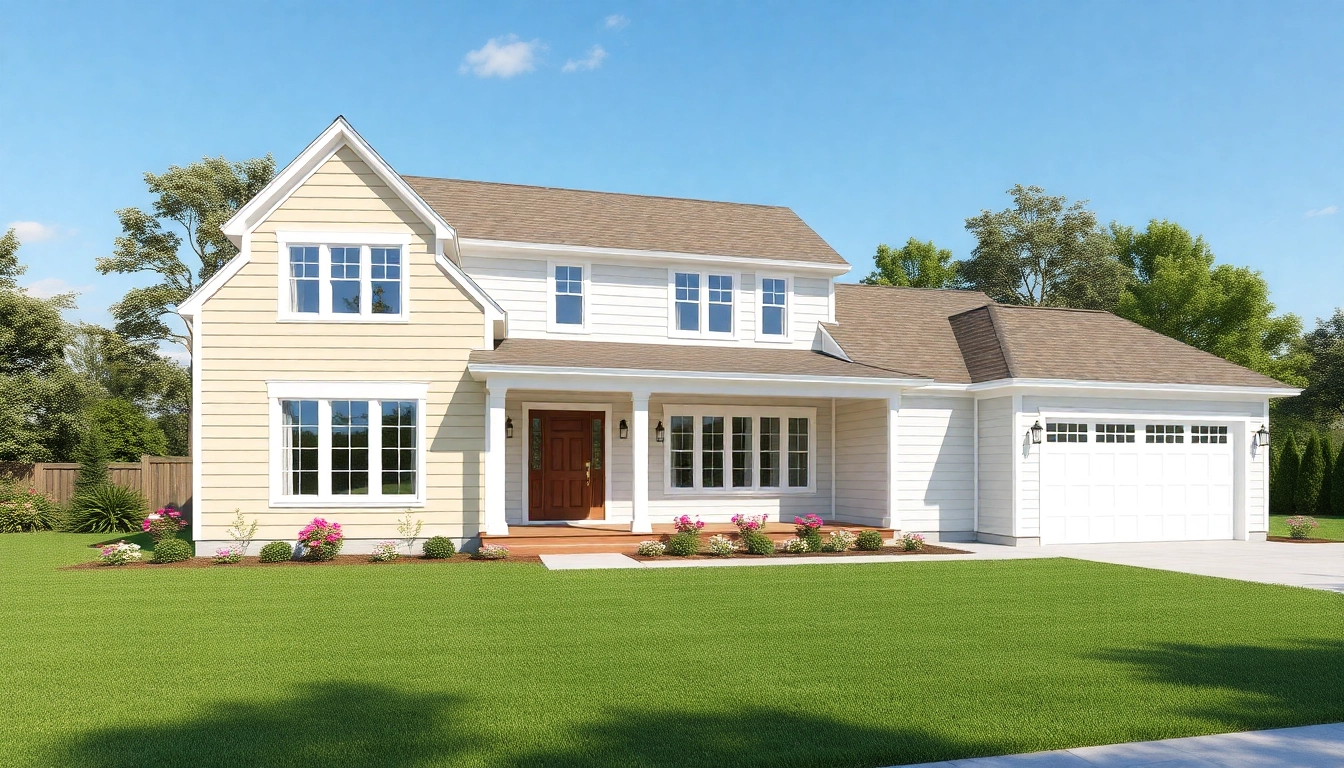
Understanding Cape Cod Home Addition Needs
Homeowners often find themselves in need of more space due to changing lifestyles, family growth, or simply the desire for new and enhanced living areas. A cape cod home addition presents a practical solution to this issue, blending functionality and aesthetics while retaining the character of the home. Before embarking on such a project, it is crucial to clearly understand individual needs and how these can be met through expansion.
Identifying Suitable Spaces for Expansion
The first step in planning a Cape Cod home addition is to evaluate your existing space. Begin by identifying areas within your home or property that can be successfully utilized or transformed. Options may include:
- Side Yard Expansion: If your lot permits, expanding towards the sides can offer ample room without significantly impacting your property’s footprint.
- Attic Conversions: Transforming your attic into livable space can dramatically increase your square footage while maintaining the home’s charm.
- Basement Finishing: If you have a basement, consider finishing it to create functional living areas such as family rooms, home offices, or guest suites.
- Rear Extensions: Adding to the back of your home is popular, especially for kitchens and family rooms, allowing seamless access to outdoor spaces.
Assessing Budget and Financial Impacts
Understanding the financial implications of a Cape Cod home addition is vital. Home additions can vary in cost based on size, materials, and complexity. Here are factors affecting your budget:
- Design Complexity: More intricate designs often require additional resources and time, leading to increased costs.
- Material Quality: Choosing high-quality materials can initially seem pricey but promises durability and enhances your home’s value in the long run.
- Labor Costs: Hiring professionals may add to your costs but also ensures a job well done.
- Unexpected Expenses: Always set aside a contingency fund of about 10-20% to cover unforeseen costs that could arise during construction.
Requirements and Permissions for Home Addition
Before proceeding, obtaining the necessary permits and adhering to local zoning laws is essential. The requirements can vary by location but typically include:
- Building Permits: Required for any structural changes.
- Zoning Permissions: Necessary if you are expanding the footprint of your home.
- Architectural Review: Some neighborhoods may require plans to be reviewed by an architectural committee.
Design Considerations for Cape Cod Home Additions
When planning your Cape Cod home addition, architectural style and design elements play a crucial role in ensuring that the new space feels integrated and harmonious with the existing home.
Choosing the Right Architectural Style
The Cape Cod architectural style is known for its traditional simplicity, characterized by steep roofs, dormers, and symmetrical facades. When designing an addition, aim to maintain these elements. Consider:
- Symmetry: Ensure your addition maintains the balance of the original structure.
- Roofline Compatibility: Match the roof pitch of your existing home to the new addition.
- Materials: Utilize wood siding, shingles, and other materials consistent with Cape Cod aesthetics.
Incorporating Sustainable Materials
Conscious living has prompted many to incorporate sustainable materials into their home additions. When selecting materials, consider:
- Recycled Materials: Use reclaimed wood and other recycled materials to reduce environmental impact.
- Energy-Efficient Insulation: Implement high-quality insulation to maintain consistent temperature and reduce energy costs.
- Sustainable Sourcing: Choose materials sourced sustainably to support eco-friendly practices.
Maximizing Natural Light in Design
Natural light is a key component of the Cape Cod lifestyle. Consider these options to enhance sunlight in your addition:
- Large Windows: Incorporate expansive windows that frame outdoor views and invite light indoors.
- Skylights: Use skylights or light tubes to brighten up darker areas such as attics and basements.
- Open Floor Plan: Designing an open layout can facilitate light flow throughout your newly added space.
Planning Your Cape Cod Home Addition Project
Effective planning is essential for a successful Cape Cod home addition. A clear strategy ensures that the project runs smoothly from start to finish.
Finding Qualified Contractors and Architects
Choosing the right professionals can significantly impact the project’s outcome. When selecting contractors and architects, look for:
- Experience in Cape Cod Architecture: Ensure they have a portfolio that includes similar projects.
- References: Don’t hesitate to ask for references and past project examples.
- Licenses and Insurance: Verify all licenses and insurance for safety and accountability.
Creating a Timeline for Construction
A comprehensive timeline guides both contractors and homeowners in tracking the project’s progress. Include milestones such as:
- Design finalization.
- Permitting timelines.
- Construction phases and estimated completion date.
Managing Disruptions During Renovation
Home additions can be disruptive to daily life. Here are strategies to manage disruptions effectively:
- Establish Clear Communication: Regular updates with your contractor can alleviate stress and confusion.
- Create Temporary Spaces: Plan alternative living areas to make the renovation manageable.
- Set Ground Rules: Work with your contractor to establish guidelines for safety and cleanliness.
Styling and Functionality of Cape Cod Home Additions
Beyond aesthetics, a successful addition must prioritize functionality and practical use. Think about how your addition serves your lifestyle and home dynamic.
Integrating Modern Amenities
While retaining traditional décor, integrating modern amenities greatly enhances comfort and convenience. Key considerations could include:
- Smart Home Technologies: Install smart thermostats, lighting, and security systems for efficiency.
- Energy-Efficient Appliances: Invest in appliances that save energy and reduce utility bills.
- Comfort Features: Consider underfloor heating or air conditioning for year-round comfort.
Designing for Family Interaction
A well-designed space encourages interaction among family members. When laying out the addition, focus on:
- Open Spaces: Opt for layouts that facilitate conversation and engagement, such as kitchen islands or dining nooks.
- Flexible Rooms: Design rooms that can easily adapt to different activities and events.
- Outdoor Flow: Incorporate seamless transitions to outdoor areas, boosting family connectivity.
Efficient Use of Layout and Space
Maximizing the space in your Cape Cod home addition can dramatically enhance its utility. To achieve this, consider:
- Built-In Storage: Integrate shelves, cabinets, and closets to reduce clutter visibly.
- Multi-Functional Furniture: Choose furniture that serves multiple purposes to save space.
- Smart Room Design: Plan rooms with attention to how they will be used daily.
Highlighting Success Stories of Cape Cod Home Additions
Understanding real-world applications can inspire and inform your home addition journey. Here are several success stories showcasing transformations through thoughtful additions.
Case Study: Expanding Family Areas
A family of four decided to extend their living room and kitchen to foster interaction. By performing a rear addition, they created a spacious, welcoming area ideal for gatherings. The project focused on selecting materials that matched the existing architecture while adding contemporary touches, such as modern lighting and open floor plans.
Innovative Garage Designs in Cape Cod Additions
Another homeowner sought to enhance their garage functionality while maintaining aesthetic appeal. The garage addition included a workshop area and incorporated large window designs to allow for plenty of natural light. This structure not only improved utility but also harmonized beautifully with the Cape Cod theme.
Before and After Design Transformations
Seeing the potential difference that a well-planned addition can make is inspirational. Homeowners often report improved utility and aesthetic satisfaction after their projects. Dramatic transformations highlight the seamless blend of contemporary design with traditional Cape Cod elements.
FAQs
What is the average cost of a Cape Cod home addition?
The average cost can vary, typically ranging between $100 to $200 per square foot depending on various factors including materials used and the complexity of the design.
How long does a Cape Cod home addition project typically take?
On average, a project may take anywhere from a few weeks to several months, depending on the size of the addition and weather conditions.
Do I need a permit for a Cape Cod home addition?
Yes, most home addition projects require permits. It’s important to check local regulations before starting construction.
How can I ensure my addition complements my existing home?
Consult with an architect familiar with Cape Cod styles to design an addition that blends seamlessly with your home’s architecture.
What are the best materials for a Cape Cod home addition?
Materials like wood siding, stone, and traditional shingles are popular to maintain the classic Cape Cod aesthetic while ensuring durability.