Understanding Electrical Fire Extinguishers
In a world increasingly dominated by electronics, understanding fire safety is more crucial than ever. One particular aspect of fire safety that is often overlooked is the importance of having the right type of fire extinguisher – specifically, an electrical fire extinguisher. These specialized tools are essential for effectively combating electrical fires that can occur in homes, workplaces, and industrial settings. This comprehensive guide seeks to demystify the concept of electrical fire extinguishers, exploring their types, standards, and the necessity of having them readily available.
What Is an Electrical Fire Extinguisher?
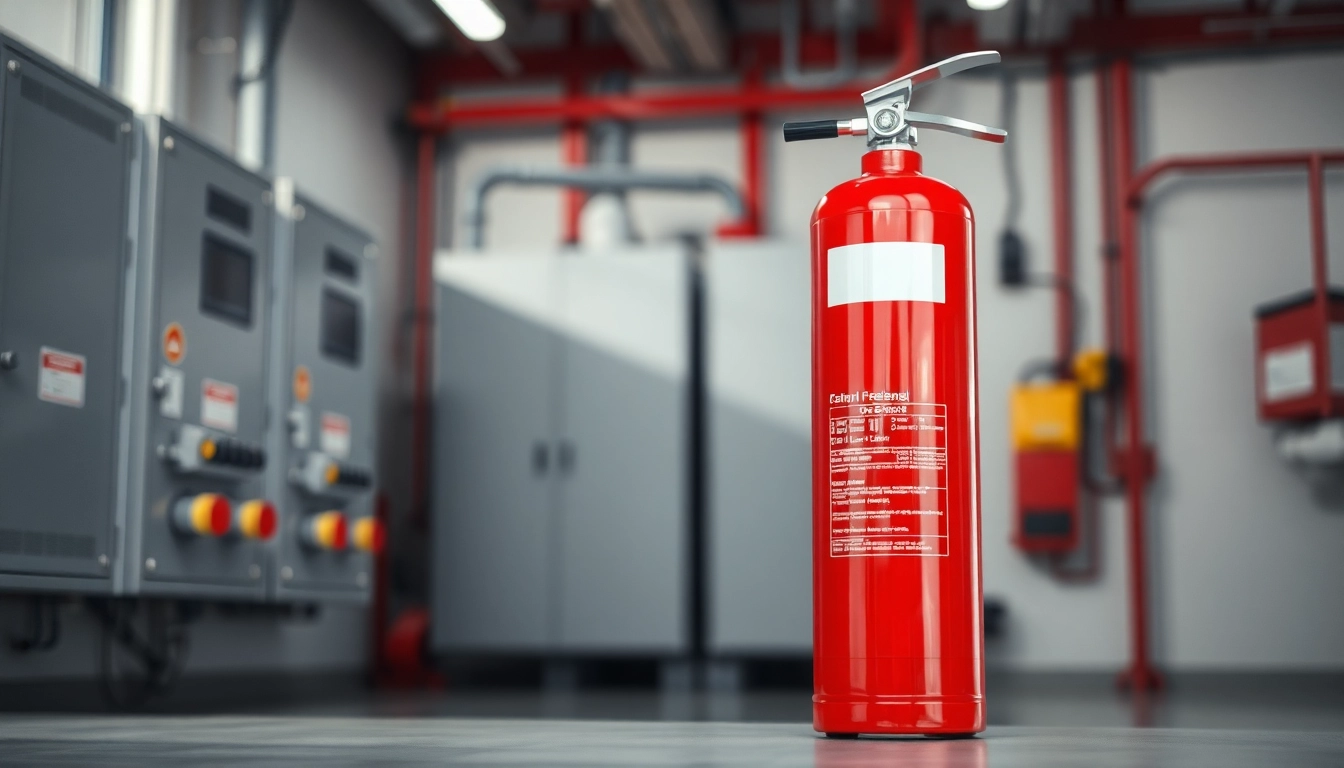
An electrical fire extinguisher is a device designed to extinguish fires caused specifically by electrical equipment and wiring. Unlike standard fire extinguishers, which may use water or chemicals that can conduct electricity, electrical fire extinguishers utilize non-conductive agents to safely combat fires originating from electrical sources. Understanding the chemistry behind each type is crucial for ensuring effective firefighting without causing additional hazards.
Types of Electrical Fire Extinguishers Available
There are several types of fire extinguishers that can be classified as electrical fire extinguishers. The most common types include:
- Class C Fire Extinguishers: These are specifically designed for fires involving live electrical equipment. The extinguishing agents used are non-conductive, making them safe for electrical fires.
- Class D Fire Extinguishers: Although they primarily target metals, some are effective in combating electrical fires found in industrial settings where flammable metals and live electrical devices are present.
- Carbon Dioxide (CO2) Fire Extinguishers: CO2 extinguishers are particularly effective for electrical fires as they displace oxygen, extinguishing the flames without leaving any residue that could damage sensitive electronic equipment.
Key Standards and Certifications
Electrical fire extinguishers must meet specific standards to ensure safety and effectiveness. In the United States, the National Fire Protection Association (NFPA) and Underwriters Laboratories (UL) set forth guidelines and certifications. The UL classification helps consumers understand which extinguishers are suitable for various types of fires. When choosing an extinguisher, look for UL ratings and ensure the product adheres to local and national safety codes.
Why You Need an Electrical Fire Extinguisher
The necessity of having an electrical fire extinguisher cannot be overstated. Electrical fires can occur suddenly and can be devastating, particularly in densely populated environments like industrial sites or urban buildings. Understanding why these extinguishers are essential not only for personal safety but also for compliance with regulations is vital.
Statistics on Electrical Fires
According to the National Fire Protection Association, electrical fires account for around 13% of all home fires in the United States, resulting in significant property damage and loss of life annually. These statistics signify the urgent need to have the right fire safety equipment, including electrical fire extinguishers, readily available in homes and businesses. The rapid increase in electronic devices heightens the potential for such incidents, making this knowledge even more crucial.
Legal Requirements for Businesses
Businesses are obligated by law to maintain a safe working environment, which includes adequate fire protection systems. OSHA (Occupational Safety and Health Administration) and local fire codes require industries to have suitable fire extinguishers, including those for electrical fires. Compliance with these regulations can not only ensure safety but also protect a business from legal implications and fines.
Common Misconceptions about Fire Extinguishers
Many people harbor misconceptions about fire extinguishers, particularly regarding their use on electrical fires. A common myth is that water extinguishers are appropriate for all fire types. This belief is dangerous, especially when dealing with electrical fires where water can cause severe electrocution. Another misconception is that having a fire extinguisher is sufficient without the need for training; however, proper usage training is critical to effective fire management.
Choosing the Right Electrical Fire Extinguisher
With various types of extinguishers available, making an informed choice is essential. The right electrical fire extinguisher will vary based on several factors, including the environment where it will be used.
Assessing Your Environment
Evaluate the potential fire hazards in your environment to determine the appropriate extinguisher type. For example, in an office with various electronic devices, a Class C extinguisher may be adequate. However, in a warehouse or manufacturing facility, it may be wise to consider multi-class extinguishers capable of addressing diverse fire types. Moreover, consider the accessibility of the extinguisher; it should be easy to reach during an emergency.
Understanding Ratings and Classifications
Each fire extinguisher comes with a classification rating that indicates the types of fires it can extinguish. For electrical fires, look for the Class C rating, which signifies that the extinguisher is suitable for fires involving energized electrical equipment. Familiarize yourself with these ratings to select the most effective extinguisher for your situation.
Recommendations Based on Usage
Depending on specific situations, different extinguishers may be recommended:
- Residential Use: A portable Class C extinguisher is ideal for homes with electronic appliances.
- Commercial Use: Businesses should consider a combination of Class C and K extinguishers to combat kitchen fires alongside electrical hazards.
- Industrial Use: Facilities should stock various extinguishers, including Class D for metal fires and CO2 extinguishers for dealing with electrical fires in machinery.
Proper Usage and Maintenance
Having the right equipment is only part of fire safety; knowing how to use and maintain fire extinguishers is equally important. Regular training and check-ups can make a significant difference in emergency situations.
How to Use an Electrical Fire Extinguisher
In the event of an electrical fire, follow the PASS technique:
- Pull: Pull the pin at the top of the extinguisher.
- Aim: Aim the nozzle at the base of the fire, not at the flames.
- Squeeze: Squeeze the handle to release the extinguishing agent.
- Sweep: Sweep the nozzle from side to side at the base of the fire until it is completely extinguished.
Always remember to maintain a safe distance from the fire and remain mindful of your surroundings.
Regular Maintenance Tips
Regular maintenance is vital to ensuring that your fire extinguishers remain functional. Here are some tips:
- Check the pressure gauge monthly to ensure it’s in the green zone.
- Inspect for physical damage, rust, or corrosion.
- Hire a professional to conduct annual inspections and servicing.
- Recharge extinguishers after use, even if they were not completely discharged.
When to Replace an Extinguisher
Fire extinguishers have a limited lifespan, generally ranging from 5 to 15 years, depending on the type. It’s essential to check the manufacturing date and replace extinguishers that are past their service date. Furthermore, if an extinguisher is damaged or has been discharged, it should also be replaced immediately. Always consult the manufacturer’s guidelines to determine when replacement is necessary.
Best Practices for Fire Safety
Beyond having the right equipment, adopting best practices can significantly enhance fire safety in any environment. Training and preparedness are key components in preventing fire-related incidents.
Training Employees on Fire Safety
For businesses, training employees on fire safety protocols is mandatory. Regular drills should be scheduled to educate staff on recognizing fire hazards and the proper use of extinguishers. Employees should familiarize themselves with the PASS technique and the locations of all extinguishers. By ensuring employees are well-trained, businesses can foster a culture of safety that minimizes risks and enhances responsiveness during emergencies.
Creating a Fire Safety Plan
Developing a comprehensive fire safety plan is crucial for any establishment. This plan should include:
- An inventory of fire extinguishers and their locations.
- Emergency exit routes and meeting points for evacuation.
- Regular training schedules and fire drills.
- Responsibilities of staff related to fire safety.
Engaging employees during the planning phase can lead to better implementation of fire safety protocols, ensuring that each individual is not only informed but also invested in maintaining a safe environment.
Resources for Further Learning
Continual education on fire safety is essential. Many organizations provide valuable resources, including training sessions, materials, and updates on fire safety codes. Organizations like the NFPA or local fire departments often host workshops or provide resources for businesses and homeowners to enhance their fire safety knowledge. Investing time in learning and practicing fire safety can save lives and property in case of an emergency.