
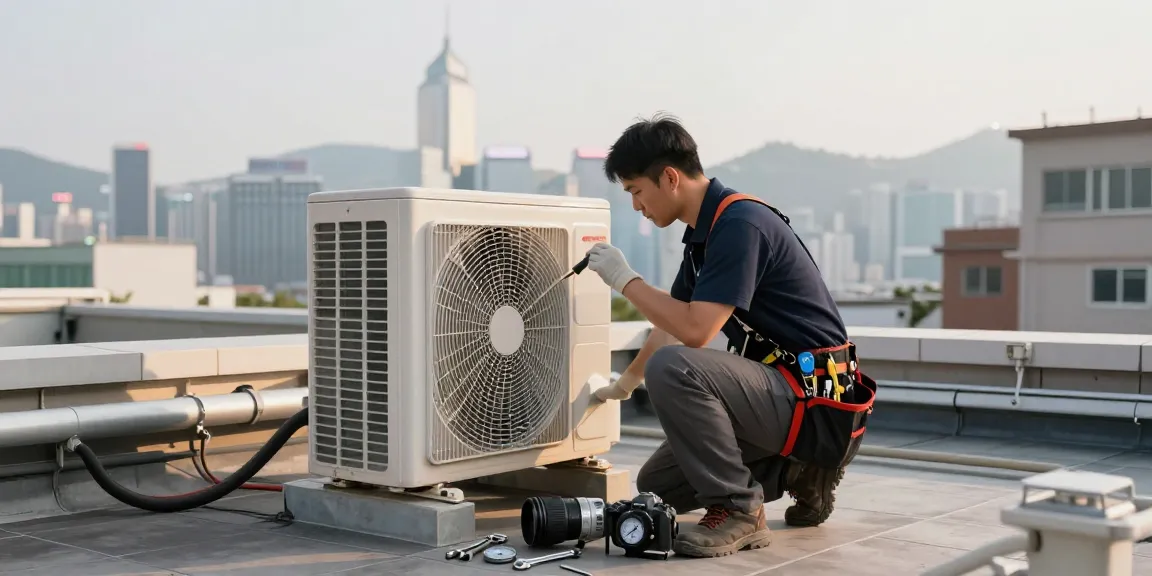
Understanding HVAC Maintenance in Hong Kong
As Hong Kong experiences a unique blend of subtropical humidity and urban density, the demand for effective HVAC maintenance has never been higher. HVAC systems—encompassing heating, ventilation, and air conditioning—are vital for ensuring comfortable living and working environments. Regular maintenance is crucial not only for energy efficiency but also for prolonging the lifespan of these systems. Understanding HVAC maintenance Hong Kong is essential for homeowners and businesses alike, enabling them to make informed decisions regarding service providers and system care.
What is HVAC Maintenance?
HVAC maintenance refers to the systematic inspection, cleaning, and servicing of heating, ventilation, and air conditioning systems to ensure they operate efficiently. This proactive approach helps prevent unexpected breakdowns and costly repairs by addressing potential issues before they escalate. Maintenance tasks typically include filter replacements, duct cleaning, refrigerant checks, and system diagnostics. By adhering to a regular maintenance schedule, users can enjoy optimal performance and energy savings.
Importance of Regular HVAC Maintenance
Regular HVAC maintenance is vital for several reasons:
- Energy Efficiency: Well-maintained systems use less energy to operate, which translates to lower utility bills.
- Air Quality: Routine servicing ensures that air filters and ducts are clean, thereby minimizing dust, allergens, and pollutants in the indoor environment.
- Extended Lifespan: Systems that receive regular care tend to last longer, delaying the need for costly replacements.
- Improved Comfort: A properly functioning HVAC system maintains consistent temperatures and humidity levels, enhancing overall comfort.
- Prevention of Breakdowns: Regular inspections can identify minor issues before they lead to significant failures, ensuring reliability when it’s needed most.
Common HVAC Systems in Hong Kong
In Hong Kong, common HVAC systems include split-type air conditioners, central air conditioning systems, and window units. Due to the compact nature of many apartments, split-type air conditioning units have become particularly popular as they offer efficiency without requiring extensive ductwork. Central heating, although less common, is often used in larger buildings or during the winter months. Understanding the various systems helps property owners determine appropriate maintenance actions tailored to their specific installations.
Cost Factors of HVAC Maintenance
The cost of HVAC maintenance in Hong Kong can vary significantly based on multiple factors. Typical expenses may encompass routine service visits, parts replacements, and emergency repairs. Understanding these factors can help users budget effectively for ongoing system care.
Typical Pricing for HVAC Services in Hong Kong
On average, routine HVAC maintenance services range from HKD 500 to HKD 1,500 per visit, depending on the type of service required and the complexity of the system. Annual maintenance contracts typically offer savings over individual visits and may include comprehensive inspections, cleaning, and parts replacement. It’s common for reputable service providers to offer maintenance packages tailored to residential and commercial clients.
Factors Influencing HVAC Maintenance Costs
Several factors can influence the cost of HVAC maintenance:
- Type of System: The complexity and size of the HVAC system can affect pricing. Larger systems typically require more time and resources to service.
- Service Frequency: Clients who schedule routine maintenance services might enjoy discounts or bundled service packages.
- Location: Pricing may vary by neighborhood or district in Hong Kong, influenced by local demand and competition.
- Additional Services: Costs may increase if repairs or part replacements are necessary during maintenance visits.
How to Budget for HVAC Maintenance
When budgeting for HVAC maintenance, consider the following steps:
- Assess System Needs: Review the HVAC system’s history of repairs and maintenance to determine necessary services.
- Research Local Providers: Obtain quotes from multiple service providers to find competitive pricing. Check reviews and ratings to ensure quality.
- Consider Annual Contracts: Evaluate the option of signing an annual maintenance contract for predictable expenses and potential cost savings.
- Set Aside a Emergency Fund: Allocate a portion of the budget for unexpected repairs or replacements that may arise.
Best Practices for HVAC Maintenance
Implementing best practices for HVAC maintenance can significantly enhance system performance while prolonging its lifespan. Training and educating users on these practices is essential for ensuring their HVAC systems remain effective.
Routine Maintenance Checklist
A comprehensive maintenance checklist should include the following tasks:
- Replacing or cleaning air filters regularly (at least once every 1-3 months).
- Inspecting ductwork for leaks or blockages.
- Checking the thermostat settings and functionality.
- Cleaning the outdoor condenser unit and ensuring proper airflow.
- Scheduling professional inspections at least once a year.
Signs Your HVAC System Needs Attention
Recognizing troubling indicators of HVAC issues is essential:
- Inconsistent temperatures throughout the property.
- Unusual noises, such as banging or squealing from the unit.
- Persistent high energy bills without increased usage.
- Weak airflow or frequent cycling of the system.
- Increased humidity levels indoors.
Green Practices in HVAC Maintenance
As environmental awareness rises, integrating sustainable practices in HVAC maintenance becomes essential. Options include:
- Utilizing energy-efficient components during replacements or upgrades.
- Implementing programmable thermostats to optimize energy use.
- Recycling old parts or materials during service visits.
- Advocating for eco-friendly refrigerants that have a reduced environmental impact.
Choosing a Professional HVAC Service Provider
Selecting a qualified HVAC service provider is crucial for ensuring high-quality care. Prospective clients must conduct thorough research before making a decision.
What to Look for in an HVAC Technician
Key qualities to consider include:
- Licensing and Certification: Technicians should hold appropriate licenses and certifications relevant to HVAC systems.
- Experience and Expertise: Look for technicians who have significant experience handling your specific HVAC system type.
- Customer Service Skills: Effective communication and customer service are essential qualities of a reputable technician.
Questions to Ask Before Hiring
Before making a hire, consider asking the following questions:
- What does your HVAC maintenance program include?
- Can you provide references or customer testimonials?
- What is your response time for emergency repairs?
- How do you handle warranty and service guarantees?
Customer Reviews and Ratings Importance
Customer reviews and ratings are invaluable in determining the reliability of a service provider. Websites like Yelp or specialized HVAC forums can provide insights into others’ experiences, helping potential clients make informed decisions. High ratings and positive testimonials can indicate a technician’s commitment to quality work and customer satisfaction.
The Future of HVAC Maintenance in Hong Kong
As technology continues to evolve, the future of HVAC maintenance in Hong Kong is set to change dramatically. Keeping abreast of these developments will empower users and service providers alike.
Emerging Technologies in HVAC Systems
Innovations like smart thermostats, enhanced sensors, and advanced diagnostic tools are becoming the norm. These technologies not only optimize HVAC system performance but also provide users with real-time insights into system health and efficiency.
Sustainability Trends in HVAC Services
The push for sustainable practices has resulted in a growing demand for eco-friendly HVAC options. Service providers are increasingly adopting green technologies and practices, ensuring that maintenance procedures prioritize environmental responsibility.
Predicted Changes in HVAC Maintenance Standards
As the market evolves, expect new industry standards focusing on energy efficiency and eco-friendly practices. Compliance with these regulations will become vital for HVAC service providers aiming to stay competitive.
What Are the Best HVAC Maintenance Practices?
Best practices for HVAC maintenance include:
- Establishing a regular service schedule.
- Investing in quality parts and components for repairs.
- Educating users about their HVAC systems for better care.
How Often Should HVAC Systems Be Serviced?
For optimum performance, HVAC systems should receive professional servicing at least once a year, preferably before summer and winter seasons when usage peaks. More frequent inspections may be necessary in environments with heavy dust or humidity.
What Are the Benefits of Regular HVAC Maintenance?
Regular HVAC maintenance provides numerous advantages, such as:
- Enhanced system efficiency.
- Lower energy costs and improved indoor air quality.
- Increased system reliability and lifespan.
How Can I Reduce HVAC Maintenance Costs?
To minimize HVAC maintenance costs, consider these strategies:
- Implement DIY checks and minor maintenance tasks.
- Schedule routine maintenance during off-peak seasons for better pricing.
- Explore service contracts that provide a comprehensive maintenance plan.
What Qualifications Should I Look for in an HVAC Technician?
Qualifying a technician goes beyond basic licensure. Look for evidence of further training, customer reviews, and adherence to industry standards as indicators of professional competency.