
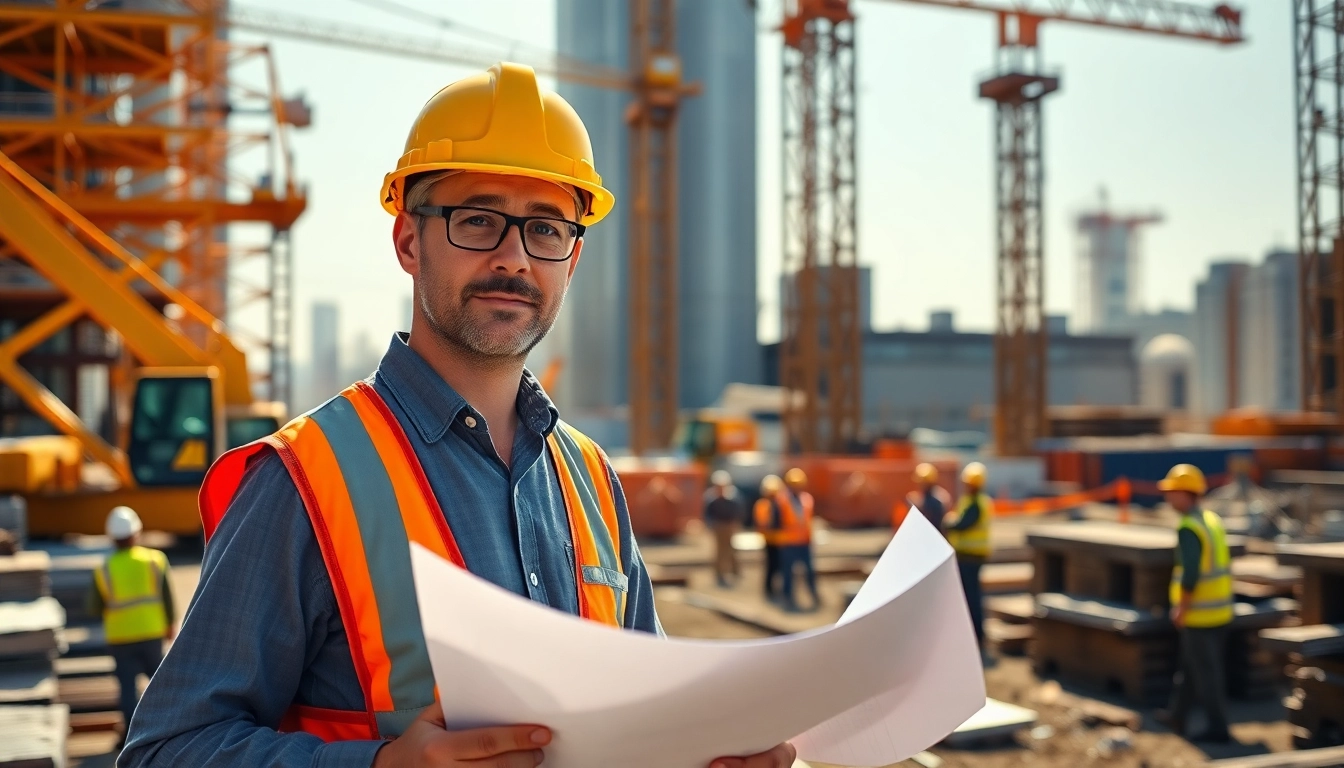
Understanding the Role of a New York Construction Manager
The New York Construction Manager plays a pivotal role in the execution and success of construction projects throughout New York City. Their responsibilities encompass a broad array of tasks, requiring not just technical knowledge but also strategic planning and interpersonal skills. In this article, we will delve into the core functions, essential qualifications, and the significance of construction managers in various phases of project development.
Defining Responsibilities
A New York Construction Manager acts as the key coordinator who ensures that construction projects are completed on time, within budget, and in compliance with all regulations. Their responsibilities include:
- Planning and overseeing project timelines.
- Managing budgets and financials to ensure sustainability.
- Liaising between different stakeholders, including architects, contractors, and clients.
- Supervising on-site activities to ensure safety and quality standards are maintained.
- Ensuring regulatory compliance throughout the construction process.
Key Skills and Qualifications
A successful New York Construction Manager typically holds a degree in construction management, civil engineering, or architecture. Additionally, they should possess the following skills:
- Technical Proficiency: Understanding of construction methods, materials, and regulations.
- Project Management: Expertise in scheduling, budgeting, and resource allocation.
- Communication: Strong verbal and written skills to effectively convey information.
- Problem-Solving: Ability to quickly assess situations and implement solutions.
- Leadership: Guide teams and foster collaboration among diverse groups.
Importance in Project Phases
The role of a construction manager is crucial in every phase of the construction process:
- Pre-Construction: Involves planning, budgeting, and obtaining necessary permits.
- Construction: Overseeing daily operations and ensuring that projects adhere to their schedules.
- Post-Construction: Facilitating final inspections, resolving any issues, and ensuring client satisfaction.
Effective Project Management Techniques for Construction
Establishing Timelines and Milestones
Effective project management hinges on creating clear timelines and milestones. Employing tools like Gantt charts can help visualize tasks that need to be completed at different stages. It’s essential to:
- Set realistic deadlines based on historical data and current project scope.
- Continuously monitor progress and adjust timelines accordingly.
- Communicate updates regularly to stakeholders to manage expectations.
Resource Allocation Strategies
Resource allocation is an integral part of ensuring efficiency in construction projects. Effective techniques include:
- Creating a detailed inventory of materials and labor required.
- Implementing just-in-time delivery strategies to minimize on-site congestion.
- Regularly assessing resource availability and optimizing allocation as needed.
Monitoring Progress and Adaptability
Monitoring progress is essential for staying on track. Effective methods include:
- Using software tools that provide real-time updates on project status.
- Conducting weekly site meetings to discuss progress and challenges.
- Being prepared to adapt plans in response to unforeseen circumstances such as weather delays or supply chain issues.
Common Challenges Faced by a New York Construction Manager
Addressing Budget Constraints
Budget constraints are a common challenge in construction management. To address these, managers must:
- Perform thorough cost analyses to predict potential overruns.
- Implement value engineering practices to maximize spending efficiency.
- Constantly review expenditures and make adjustments when necessary.
Regulatory Compliance and Permitting
Navigating the intricate web of regulations and permits in New York can be daunting. Construction managers must:
- Stay informed about city regulations and zoning laws.
- Establish strong relationships with local authorities to facilitate permit approvals.
- Engage legal counsel when necessary to navigate complex compliance issues.
Managing Stakeholder Expectations
Managing the expectations of various stakeholders is essential for project success. Effective strategies include:
- Setting clear project goals and communicating them from the outset.
- Providing regular updates to stakeholders on progress and challenges.
- Ensuring open lines of communication to address concerns as they arise.
Best Practices for Selecting Construction Teams
Evaluating Contractor Credentials
Choosing the right construction team is critical. Best practices include:
- Reviewing previous work with references and documented results.
- Assessing contractors’ financial stability and insurance coverage.
- Conducting interviews to gauge experience and compatibility with project goals.
Building Strong Communication Channels
Establishing robust communication channels fosters collaboration and prevents misunderstandings. This can be achieved by:
- Utilizing project management platforms for documenting discussions and updates.
- Scheduling regular check-ins with team leads and stakeholders.
- Encouraging feedback from team members to identify potential hiccups early on.
Ensuring Team Cohesion and Collaboration
Fostering a sense of team cohesion can significantly elevate project effectiveness. Strategies include:
- Organizing team-building activities to strengthen professional relationships.
- Promoting an inclusive environment where all voices are heard.
- Leveraging team members’ strengths by delegating roles that suit their skills.
Future Trends in Construction Management
Emerging Technologies Impacting the Industry
The construction management landscape is undergoing rapid transformation due to technology. Emerging technologies include:
- Building Information Modeling (BIM) for enhanced project visualization.
- 3D printing for innovative building techniques and rapid prototyping.
- Drones for site surveying, which improve safety and accuracy.
Sustainable Practices in Construction
Sustainability is becoming increasingly important in construction, with practices such as:
- Utilizing recycled materials to reduce environmental impact.
- Incorporating energy-efficient designs that minimize resource usage.
- Engaging in practices that promote a circular economy within construction.
Resource Efficiency and Cost-Reduction Strategies
Being resource-efficient can lead to significant cost reductions. Strategies include:
- Emphasizing the importance of waste management on-site.
- Adopting energy-efficient technologies and practices that reduce long-term costs.
- Conducting regular financial audits to track and improve expenditure efficiency.
FAQs
What qualifications does a New York Construction Manager need?
A New York Construction Manager typically requires a degree in construction management or architecture, along with relevant certifications and experience in the field.
How do New York Construction Managers handle project delays?
They analyze the causes of delays, implement solutions, and adjust project timelines to keep stakeholders informed and minimize impacts.
What are the key challenges of managing construction in New York?
Challenges include navigating strict regulations, high labor costs, and urban planning constraints unique to New York City.
How can a New York Construction Manager ensure safety on-site?
Implementing comprehensive safety training, maintaining clear communication, and enforcing strict safety protocols are essential responsibilities.
What role does technology play in modern construction management?
Technology aids in project tracking, resource management, and collaboration, making processes more efficient and reducing human error.