
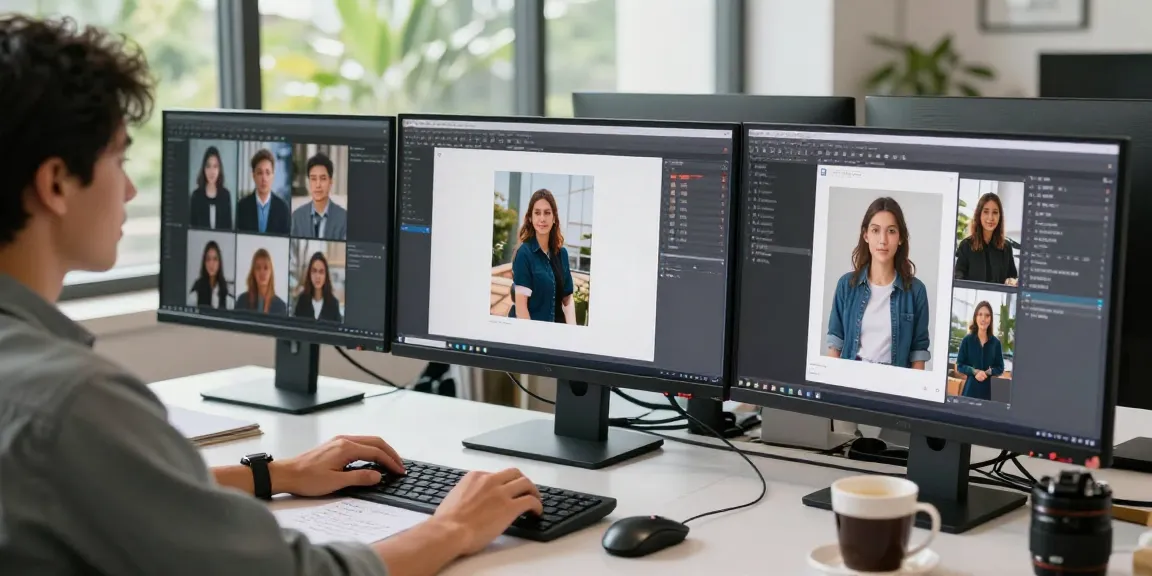
Understanding AI Image Detection Technology
In today’s digital landscape, the authenticity of images is constantly under scrutiny. With the rise of AI-generated content, the need for reliable verification tools has never been more crucial. This is where AI Image Detectors come into play, providing users with the ability to discern between genuine photographs and artificially created images. Leveraging sophisticated algorithms and machine learning techniques, these tools can analyze images for telltale signs of artificial origins, such as patterns and metadata anomalies. When exploring options, free ai detector tools have gained popularity for their ease of use and effectiveness in detecting AI-generated visuals.
What is an AI Image Detector?
An AI image detector is a specialized software tool designed to analyze and identify whether a given image has been created or manipulated by artificial intelligence. These detectors utilize complex algorithms, often based on deep learning, to examine various characteristics of an image, including pixel patterns, inconsistencies, and metadata, to draw conclusions about its origin. With the proliferation of AI-generated images in sectors like marketing and social media, understanding how these tools work is essential for ensuring digital content integrity.
How Does AI Image Detection Work?
AI image detection is fundamentally based on training machine learning models with vast datasets containing both AI-generated and authentic images. The models learn to recognize subtle differences in features, such as lighting discrepancies, unnatural pixel distributions, and other artifacts. During analysis, the AI compares the input image against its trained parameters and generates a probability score indicating the likelihood that the image is AI-generated. These scores can be exceptionally useful for users needing quick verification.
Common Image Formats Supported by Free AI Detectors
Most free AI image detectors support a variety of common image formats. This typically includes JPEG, PNG, WebP, and GIF files—essentially covering the most widely used image types across the web. With the ability to handle files up to 20MB in size, these tools offer flexibility for casual users and professionals alike. Uploading images can be done through drag-and-drop interfaces or by pasting URLs, making it both user-friendly and efficient.
Benefits of Using a Free AI Detector
Accessibility to Image Authenticity Analysis
The primary advantage of using free AI detectors is their accessibility. Users can upload images without the need for sign-ups or subscriptions, which eliminates barriers to entry for those seeking image verification. This open access encourages a broader audience to utilize these tools, promoting transparency in digital content. Moreover, as misinformation spreads rapidly online, having tools that support image authenticity helps mitigate potential harm from manipulated visuals.
Cost-Effective Solutions for Image Verification
For individuals and businesses alike, cost is always a concern. Free AI image detectors provide a budget-friendly alternative to paid services, allowing anyone to verify images without incurring expenses. This is particularly advantageous for freelancers, students, and small businesses that require high-quality image analysis without the financial burden. By integrating these free tools into their workflow, users can enhance their content’s credibility without breaking the bank.
Time-Saving Features of AI Image Detectors
AI image detectors are designed for speed and efficiency. Results are often delivered within seconds, allowing users to quickly verify the authenticity of images before making decisions based on them. This quick turnaround is essential, especially in fast-paced environments such as journalism, digital marketing, and academia, where timely and accurate content is paramount. The automation of image analysis saves users significant time compared to manual verification methods, which can be labor-intensive and error-prone.
Limitations and Considerations
Accuracy Levels of AI Image Detectors
While AI image detectors offer numerous benefits, they are not infallible. The accuracy of these tools can vary based on several factors, including the sophistication of the AI-generated image and the robustness of the underlying algorithms. Therefore, it’s crucial for users to approach results with a level of skepticism, particularly when the stakes are high, such as in legal or academic settings where the consequences of misclassification can be severe.
Potential Misinterpretations of AI Analysis
Another limitation lies in the potential for false positives and negatives. An AI detector might incorrectly classify a genuine image as AI-generated, or vice versa, depending on the inherent characteristics of the images analyzed. Users should be aware of these limitations and consider conducting additional checks or using multiple verification methods to confirm findings.
Privacy Concerns with Image Uploads
When uploading images to any online tool, concerns about privacy and data security arise. Users should ensure that the platforms they are using implement robust data protection measures to safeguard personal or sensitive images. Without proper security protocols, there could be risks associated with unauthorized access to uploaded images.
Practical Applications of AI Image Detection
Use Cases in Digital Marketing
In digital marketing, authenticity is crucial for maintaining brand reputation. Marketers can leverage AI image detectors to ensure that the visuals they use in campaigns are original and not manipulated, protecting their integrity and trustworthiness. Additionally, verifying user-generated content before sharing it can help brands avoid potential backlash from publishing misleading images.
Applications in Legal and Compliance Scenarios
Legal professionals can benefit significantly from AI image detection tools. In cases where photographic evidence is crucial, verifying the authenticity of images can be a determining factor in a case’s outcome. AI detectors can assist lawyers in validating evidence and ensuring compliance with regulations surrounding digital content.
Role in Academic and Research Environments
Academics and researchers are increasingly faced with the challenge of differentiating between genuine and AI-generated images in their work. Utilizing AI image detectors can enhance the credibility of research findings, ensuring that the data presented is derived from authentic sources. This is particularly important in fields like journalism, history, and social sciences, where the integrity of visual data is paramount.
Future Trends in AI Image Detection for 2026
Emerging Technologies to Watch
As technology advances, so do the capabilities of AI image detectors. The future will likely see the integration of more sophisticated technologies, such as blockchain for better traceability in image sources and improved algorithms that incorporate deeper learning techniques. This evolution will enhance the reliability of detections and potentially reduce the incidence of false classifications.
Improvement in Detection Algorithms
With ongoing research and development, we can expect significant improvements in detection algorithms. These advancements will enhance the tools’ ability to recognize increasingly sophisticated AI-generated content, making them more effective in various applications, from journalism to digital rights management.
Integration of AI Detection in Everyday Tools
The integration of AI detection capabilities into everyday tools and platforms promises to make image verification a seamless part of content creation. As more content creators become aware of the importance of authenticity, incorporating these tools into social media platforms and content management systems will likely become standard practice.
What image formats does the free AI detector support?
The free AI detector typically supports various common image formats, including JPG, PNG, WebP, and GIF. This range allows users to analyze almost any image they may encounter online, ensuring versatility in image verification tasks.
How accurate is the free AI detector?
The accuracy of the free AI detector may vary based on several factors, including the complexity of the images being analyzed and the algorithms employed. However, many of these tools claim high accuracy rates, often enhanced through continuous learning from new datasets.
Can I use the free AI detector without signing up?
Yes, most free AI detectors do not require users to sign up or create an account. This feature allows for quick and convenient access to image verification tools without the hassle of registration.
Is the free AI detector reliable for professional use?
While free AI detectors can be reliable, it is essential to consider potential limitations regarding accuracy and misinterpretations. For professional use, especially in critical fields, it may be prudent to supplement these tools with additional verification methods to ensure trustworthiness.
What are the best practices for using an AI image detector?
- Always cross-verify results with multiple sources or methods.
- Understand the limitations of the tool you are using.
- Use high-quality images for better detection accuracy.
- Regularly update yourself on advancements in AI detection technology.
- Stay informed about privacy policies regarding uploaded images.