Understanding the Austin Construction Landscape
1. Overview of Austin's Construction Sector
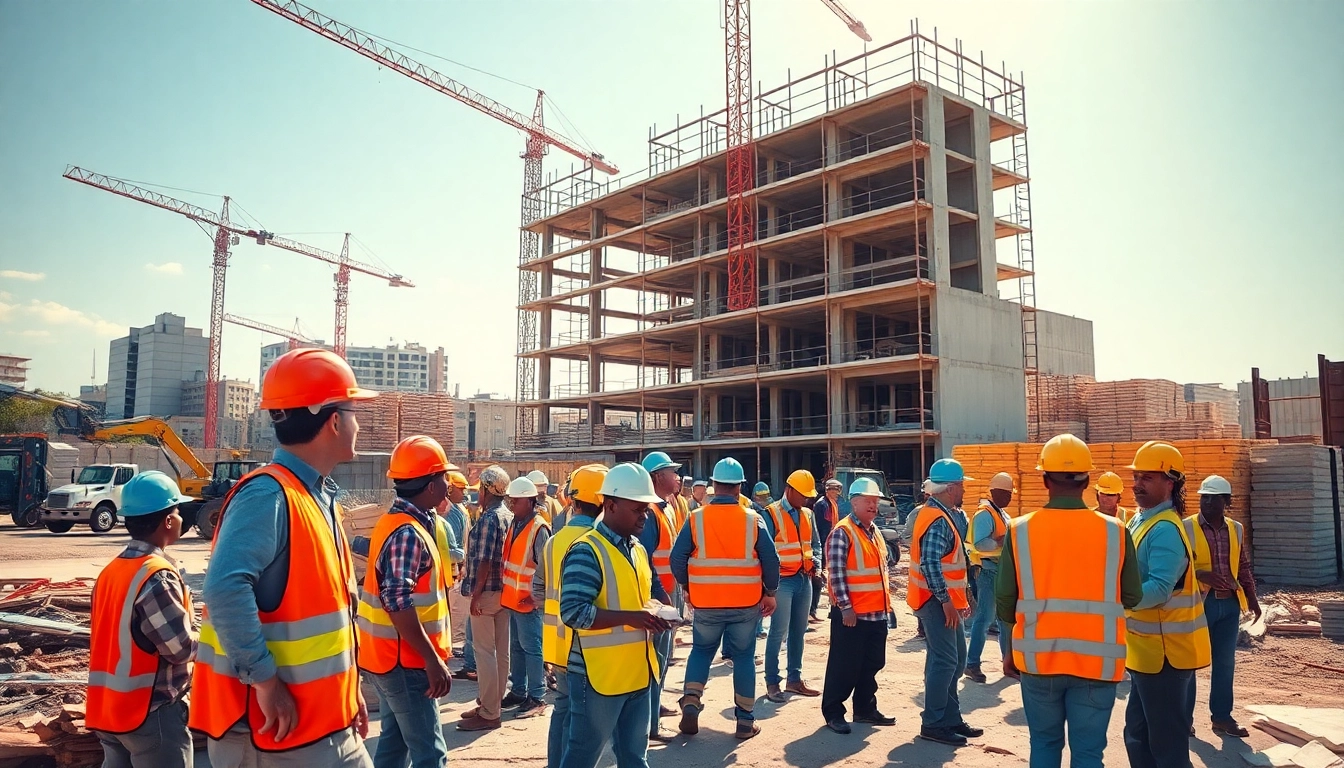
Austin, the vibrant capital of Texas, has seen a construction boom over the past decade, fueled by a combination of population growth, economic development, and urban renewal. With a diverse economy that includes technology, education, and healthcare, the city's construction sector has expanded to accommodate new businesses, housing developments, and public infrastructure projects. This growth is not just a trend but a robust transformation, positioning Austin as a key player in the national construction landscape. For those interested in the intricacies of Austin construction, understanding the current dynamics is essential.
The construction industry in Austin encompasses various sectors, including residential, commercial, and industrial. Each sector faces unique challenges and opportunities influenced by local demographics, market demands, and regulatory frameworks. In this article, we’ll explore the key components of Austin’s construction landscape, from influential players and emerging trends to the regulatory environment and best practices.
2. Key Players in the Austin Construction Scene
The Austin construction scene is characterized by a mix of large general contractors, specialized subcontractors, and innovative startups. Major players include established firms known for their extensive portfolios and capabilities. For instance, companies like McCarthy Building Companies and D. Wilson Construction have been instrumental in delivering significant commercial and institutional projects. Additionally, Peloton Land Solutions and Wood Partners represent the growing presence of residential developers committed to sustainable and community-focused projects.
Emerging firms, particularly those focusing on green building practices and technology integration, are also making waves in the market. Startups such as Buildose ensure that developments are not just profitable but also environmentally responsible, incorporating sustainable practices into their construction activities. This diverse mix of players creates a competitive landscape that drives innovation and excellence.
3. Trends Influencing Local Construction
Austin's construction sector is continuously evolving, shaped by various trends that reflect broader societal shifts. One significant trend is the increasing demand for sustainable building practices. Developers and contractors are focusing on reducing carbon footprints by utilizing eco-friendly materials and energy-efficient designs. The emphasis on LEED certification and building performance standards is notably rising, pushing stakeholders to adopt greener technologies.
Another key trend is the integration of technology in construction processes. From Building Information Modeling (BIM) to drone surveying and virtual reality walkthroughs, technology is revolutionizing how projects are planned and executed. These innovations improve efficiency, reduce errors, and enhance communication among stakeholders, ensuring that projects stay on schedule and budget.
Finally, the ongoing urbanization of Austin, paired with its robust growth in population, has led to innovative approaches in urban planning and mixed-use developments. As the city seeks to create livable, walkable communities, developers are focusing on projects that seamlessly blend residential, commercial, and recreational spaces.
Regulatory Environment for Austin Construction
1. Building Codes and Regulations
Understanding the regulatory environment is crucial for anyone involved in Austin construction. The city adheres to the International Building Code, which sets minimum requirements to ensure building safety, health, and welfare. The Austin City Code includes specific amendments tailored to local needs, such as energy efficiency mandates and accessibility standards.
New construction projects must comply with these codes and often go through extensive review processes to ensure adherence to safety standards. Moreover, the city places a significant emphasis on preserving the environment, which affects how building codes are enforced and updated. For example, newer regulations may require stormwater management systems and sustainable landscaping to mitigate urban runoff.
2. Permitting Processes
The permitting process in Austin is vital for projects to move forward legally and safely. Applicants must submit detailed plans, engineering reports, and other documentation to the city’s Development Services Department. The complexity of this process can vary depending on the project's scope and scale. Small residential projects may face a quicker turnaround, while large commercial developments often require more extensive reviews and public input.
It’s crucial for developers to familiarize themselves with the local permitting requirements, as the lack of compliance can lead to costly delays or penalties. Engaging with local officials early in the design phase can help identify potential challenges and streamline the approval process, ultimately saving time and resources.
3. Environmental Considerations
Given Austin's commitment to sustainability and environmental preservation, construction projects must incorporate assessments of their environmental impact. The city is proactive in encouraging eco-friendly practices through regulations that promote energy efficiency and conservation measures.
Many projects now require an environmental site assessment, particularly those that may affect water bodies or protected lands. Moreover, initiatives like the Watershed Protection Ordinance mandate stormwater management systems to prevent flooding and protect local ecosystems. For developers, understanding these environmental considerations is not just about compliance but also about aligning with Austin’s values, which increasingly prioritize sustainability.
Construction Challenges in Austin
1. Labor Shortages and Workforce Development
The rapid growth of the construction industry in Austin has created a significant demand for skilled labor, resulting in widespread labor shortages. Many construction firms struggle to find qualified workers, which has led to project delays and increased costs. The shortage of skilled workers such as electricians, plumbers, and carpenters has prompted companies to invest in training programs and apprenticeships aimed at developing the local workforce.
Organizations like the Associated General Contractors of America (AGC) are partnering with local schools and vocational programs to promote careers in construction and provide essential training. By emphasizing the importance of workforce development, companies can help ease the labor shortage while simultaneously enhancing the skills and employability of local residents.
2. Rising Material Costs
Another significant challenge facing the Austin construction industry is the rising cost of materials. Supply chain disruptions and increased demand in the wake of the pandemic have led to escalating prices for essential building materials, including lumber, steel, and concrete. This inflation can severely impact project budgets, forcing contractors to make tough decisions between quality and cost-effectiveness.
To mitigate these challenges, many contractors are exploring alternative materials and purchasing strategies, such as bulk buying or establishing long-term relationships with suppliers to secure lower prices. Additionally, leveraging technology for more accurate project forecasting can help anticipate material needs and budget accordingly.
3. Project Delays and Scheduling Issues
Project delays are commonplace in the construction industry, and Austin is no exception. Delays can arise from weather conditions, labor shortages, material supply issues, and unforeseen site complications. These disruptions can have cascading effects on project timelines and budgets, leading to frustration among stakeholders and clients.
Effective project management strategies are vital in minimizing these challenges. Employing techniques such as Agile construction, which emphasizes flexibility and rapid response to change, can help teams adapt to unexpected circumstances. Additionally, regular communication with all parties involved is crucial for maintaining transparency and managing expectations.
Best Practices in Austin Construction Management
1. Sustainable Building Practices
As sustainability becomes a key focus in construction, adopting best practices is essential for future success. Sustainable building practices include using environmentally friendly materials, energy-efficient technologies, and innovative design strategies that minimize waste and conserve resources. Techniques such as green roofing, solar panel integration, and rainwater harvesting are increasingly common in Austin developments.
Contractors can also apply Life Cycle Assessment (LCA) methodologies to evaluate the environmental impact of their materials and methods throughout the project's lifespan. By demonstrating a commitment to sustainability, companies not only comply with regulations but also enhance their brand reputation and appeal to environmentally-conscious consumers.
2. Effective Project Management Techniques
Successful construction management relies on effective project management techniques tailored to the unique demands of each project. Utilizing comprehensive project scheduling tools like Gantt charts and critical path methods can help outline timelines and allocate resources efficiently.
Moreover, conducting regular team meetings and employing collaborative platforms for communication can enhance coordination among stakeholders. Emphasizing accountability and responsibility within the team fosters a work environment that encourages productivity and minimizes the risk of miscommunication or oversights.
3. Utilizing Technology for Efficiency
Harnessing technology is becoming increasingly important in enhancing operational efficiency in construction. Advanced tools such as Building Information Modeling (BIM) allow for improved visualization of projects, detecting design conflicts early on and facilitating collaboration among team members.
Additionally, implementing project management software can streamline workflows and improve documentation practices. By utilizing mobile applications and cloud-based solutions, teams can access information in real-time, further enhancing efficiency and reducing errors.
Future Outlook for Austin Construction
1. Emerging Market Opportunities
As Austin continues to grow, several emerging market opportunities are apparent for the construction industry. With a booming tech sector, there is an increasing need for office spaces, data centers, and collaborative workspaces that accommodate remote work trends and innovation hubs. This shift in demand presents opportunities for developers to create versatile and adaptable spaces that cater to evolving business needs.
Moreover, the push for affordable housing has led to initiatives aimed at developing mixed-income communities that provide diverse housing options for a growing population. Government incentives and zoning policies are likely to promote these developments, further expanding the market landscape.
2. Innovations in Construction Practices
Alongside market opportunities, innovations in construction practices are set to shape the future of Austin's construction industry. The introduction of modular construction techniques allows for faster build times and reduced waste, as components are prefabricated off-site and assembled on location. This technology not only improves efficiency but can also reduce costs and enhance quality control.
Moreover, advancements in green technologies and smart building systems will likely continue to gain traction. Buildings equipped with smart sensors and IoT devices can optimize energy usage, enhance security, and improve occupant comfort, aligning with the city’s sustainability goals.
3. Predictions for the Next Decade
The next decade holds significant promise for the Austin construction industry, driven by a combination of population growth, technological advancements, and a focus on sustainability. As the city continues to attract new residents and businesses, demand for diverse housing and commercial spaces will remain strong, supporting ongoing development activities.
Furthermore, the construction industry's focus on smart technology integration and project efficiency will only intensify as clients demand more value from their investments. Overall, adaptable strategies that address current challenges while capitalizing on future opportunities will position stakeholders well for long-term success in Austin's dynamic construction landscape.