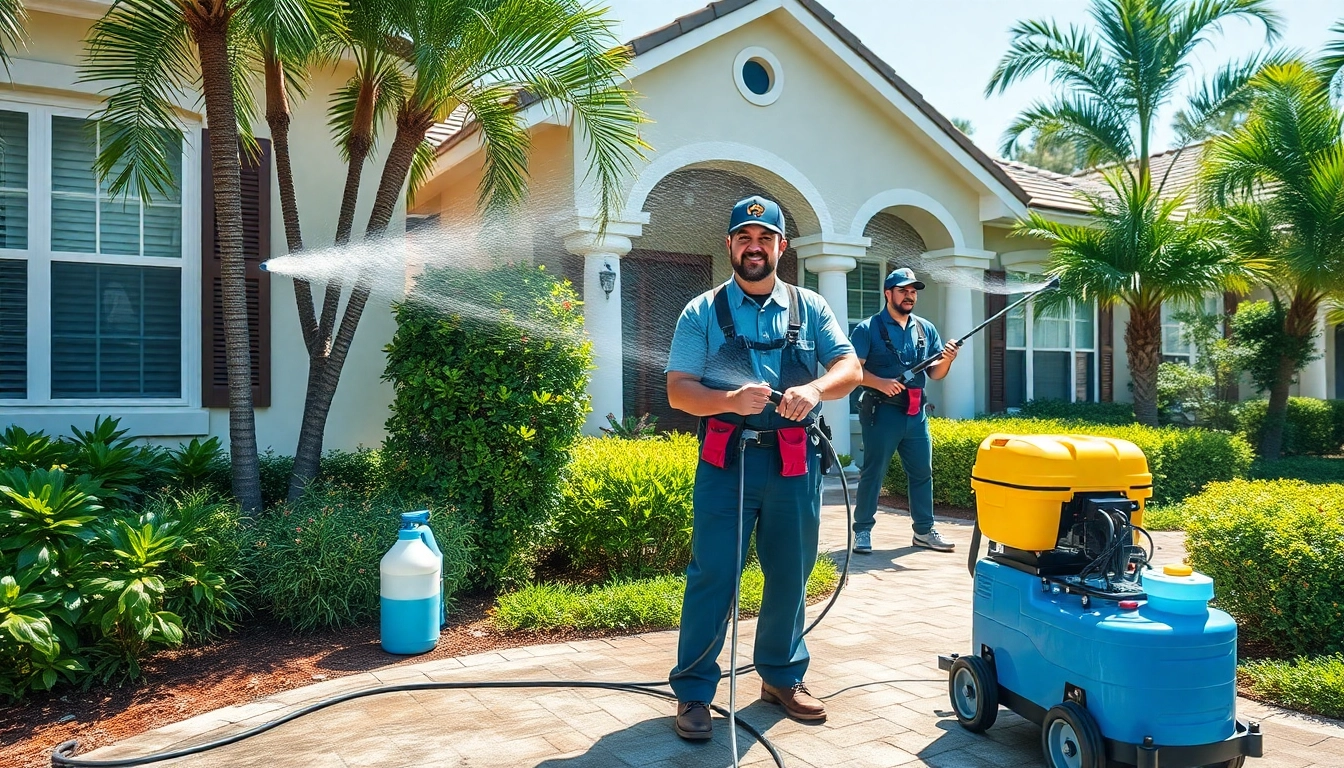
Understanding Soft Wash Techniques
Soft washing is gaining popularity as a preferred method for cleaning delicate surfaces, becoming an essential technique for homeowners and business owners alike. This technique utilizes low-pressure water combined with specialized biodegradable cleaning agents to effectively eliminate dirt, mold, and stains without risking damage to the underlying surfaces. When exploring options, soft wash provides comprehensive insights for maintaining and enhancing the aesthetic value of your property.
What is Soft Washing?
Soft washing is a cleaning method that uses a gentle stream of water and specially formulated cleaning solutions, making it ideal for surfaces like roofs, siding, and decks. Unlike traditional pressure washing, which employs high-pressure jets of water that can potentially harm delicate materials, soft washing effectively cleans by using a combination of low pressure and chemical action. This technique ensures that surfaces are not only cleaned thoroughly but are also protected from damage that high-pressure washing can cause.
Benefits of Soft Wash over Traditional Options
- Protects Surfaces: The low-pressure application of soft washing minimizes the risk of damage, making it suitable for sensitive materials like wood and painted surfaces.
- Long-Lasting Results: The biodegradable cleaning solutions used in soft washing not only clean but also inhibit the regrowth of mold and algae, providing longer-lasting results.
- Eco-Friendly: Soft washing utilizes environmentally safe chemicals, which makes it a greener choice compared to harsher cleaning methods.
- Enhanced Curb Appeal: By removing mold, dirt, and stains, soft washing significantly improves the appearance of your property, enhancing its curb appeal and potentially increasing its value.
Key Components of a Successful Soft Wash
A successful soft wash requires a combination of the right equipment and cleaning solutions. These components include:
- Low-Pressure System: A specialized soft wash system that allows for low-pressure application is essential.
- Biodegradable Cleaning Solutions: These solutions help eliminate organic growth like algae and moss without harming the environment.
- Safety Gear: Protective equipment such as gloves and goggles should always be worn during the cleaning process.
Essential Equipment for Soft Washing
Choosing the Right Pressure Washer
When selecting a pressure washer for soft washing, it is important to choose one that offers adjustable pressures. Ideal soft washing requires a unit that can operate at lower pressures, typically between 50 to 150 psi. Additionally, ensure the pressure washer is compatible with attachments for applying cleaning solutions.
Soft Wash Solution: What to Use?
Soft wash solutions generally include a mix of water, a biodegradable cleaning agent, and sometimes a small amount of bleach or sodium hypochlorite to target mold and mildew effectively. It is crucial to follow manufacturer guidelines to ensure optimal cleaning results without causing harm to your surfaces.
Safety Gear and Best Practices
Safety is paramount in any cleaning operation. Always wear appropriate safety gear, including gloves, goggles, and, if necessary, a respirator to avoid inhaling any vapors from the cleaning solutions. Additionally, make sure to protect surrounding plants and landscaping from overspray by covering them with tarps or plastic sheeting.
Step-by-Step Soft Washing Process
Preparing Your Property for Cleaning
Begin the soft washing process by thoroughly inspecting the area to be cleaned. Remove any items that could obstruct the cleaning process and ensure that windows and doors are closed to prevent any cleaning solutions from entering. Cover any nearby plants or landscaping to protect them from overspray.
Executing the Soft Wash Technique
Once you are prepared, apply the cleaning solution from the bottom up to avoid streaking and allow it to sit for a few minutes. After letting the solution dwell, gently rinse the area with low-pressure water working from the top down. This ensures that all residues are washed away effectively.
Post-Wash Care and Maintenance
After the soft wash, inspect the cleaned areas for any remaining stains or spots. If necessary, repeat the soft wash process for difficult stains. Additionally, implement a regular maintenance schedule to keep your surfaces clean and protected, preventing the buildup of dirt and grime over time.
Common Misconceptions About Soft Washing
Is Soft Washing Safe for All Surfaces?
One of the most common misconceptions is that soft washing is safe for all surfaces. While it is gentle enough for most materials, it’s crucial to evaluate each surface type beforehand. For example, unsealed wood or certain types of aged shingles may require special attention or different cleaning methods.
Understanding the Environmental Impact
Many people are concerned about the environmental impact of cleaning solutions. Fortunately, soft wash solutions are typically biodegradable and designed to break down naturally without harming local ecosystems. Always choose eco-friendly products to minimize your impact.
How Often Should You Soft Wash?
The frequency of soft washing depends on factors such as your location, climate, and the type of surface being cleaned. Generally, a soft wash every 1-2 years is recommended for residential properties, while commercial spaces may require more frequent cleanings to maintain their appearance.
Future Trends in Soft Washing
Innovations in Soft Wash Technology
The soft washing industry is continually evolving, with innovations such as advanced pressure washing systems that integrate technology for more efficient cleaning. These systems often feature adjustable spray patterns and automated dosing for cleaning solutions, enhancing both effectiveness and safety.
Eco-Friendly Cleaning Solutions on the Rise
As sustainability becomes a priority, many companies are developing eco-friendly cleaning agents that are effective yet safe for the environment. Expect to see more biodegradable options entering the market, contributing to greener practices in soft washing.
Expanding Soft Wash Applications in 2025
The applications of soft washing are expanding beyond traditional residential and commercial uses. Industries like agriculture and hospitality are beginning to adopt soft washing techniques for cleaning equipment, facades, and outdoor areas, recognizing its effectiveness and safety.