Introduction to Saltwater Fly Fishing
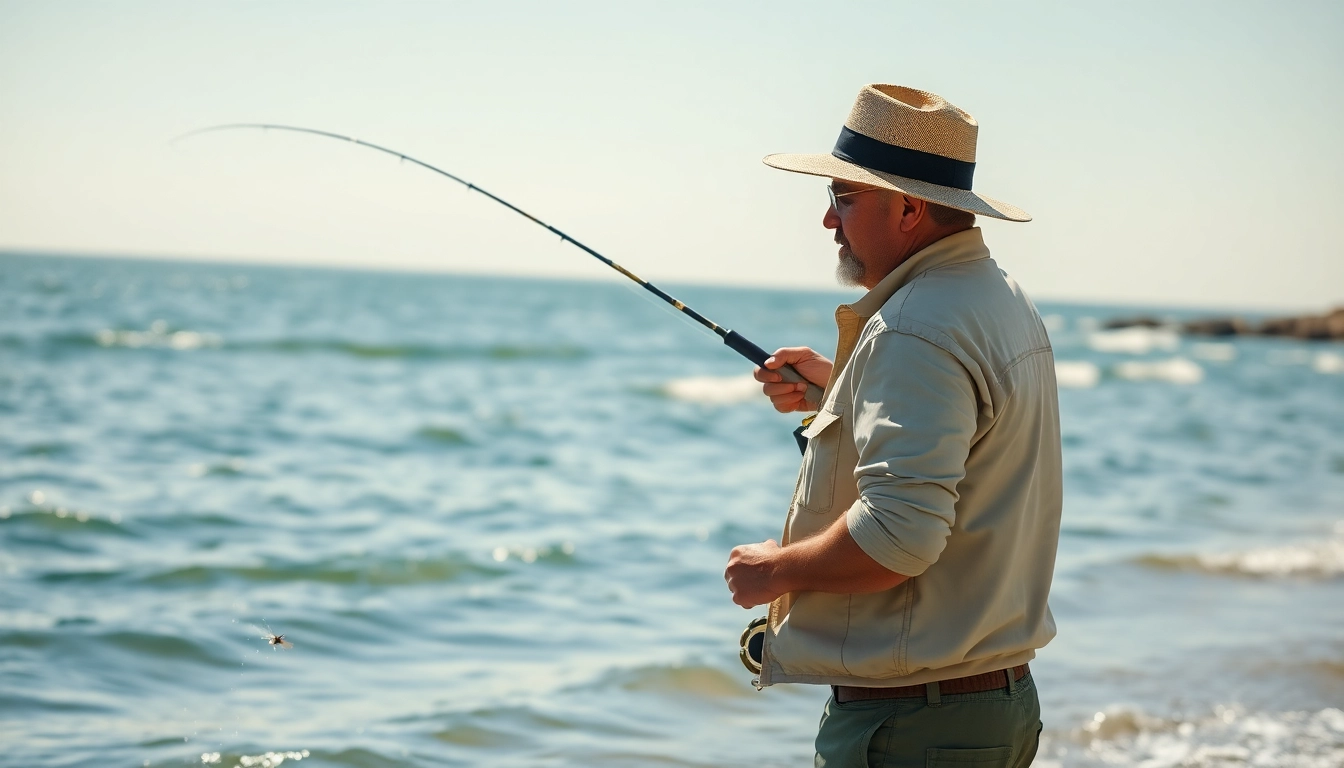
Saltwater fly fishing is an exhilarating sport that combines the art of casting with the thrill of pursuit in some of the most beautiful and dynamic environments on the planet. Anglers often find themselves immersed in stunning coastal scenery while challenging themselves to outsmart various fish species that inhabit these waters. To fully appreciate what saltwater fly fishing has to offer, it is crucial to understand its fundamentals, including the equipment needed, the ideal locations, and the techniques that make for a successful outing. Whether you’re an experienced freshwater fisherman looking to try something new or a beginner eager to start your journey, mastering saltwater fly fishing can lead to unforgettable experiences.
Understanding the Basics of Fly Fishing
Fly fishing is distinct from traditional fishing methods due to its use of specialized tackle and techniques. At its core, fly fishing involves casting a lightweight fly, often made of feathers and other materials, to mimic the appearance of insects or bait fish. In saltwater fly fishing, the primary aim is to attract species such as tarpon, bonefish, and permit, each requiring unique strategies and approaches. Understanding the feeding habits, behaviors, and habitats of these species will equip anglers to make informed decisions while out on the water.
Equipment Essentials for Saltwater Expeditions
Embarking on a saltwater fly fishing adventure necessitates specific equipment tailored for the challenges posed by marine environments. Key components include:
- Fly Rod: Saltwater fly rods are typically longer and sturdier than freshwater rods to cast heavier lines and withstand the pull of larger fish.
- Reel: A quality saltwater fly reel should have a strong drag system and corrosion-resistant components to handle the harsh salt conditions.
- Fly Line: Specialized saltwater fly lines are coated to prevent tangles and have a heavier weight to facilitate long distance casting.
- Flies: Choosing the right flies is crucial; patterns that mimic local baitfish or crustaceans will significantly increase catch rates.
- Other Gear: Sunscreen, polarized sunglasses, and appropriate clothing are also essential for safety and comfort during long hours on the water.
Choosing the Right Locations for Saltwater Fishing
Selecting the right location for saltwater fly fishing can make or break an outing. Coastal areas with diverse habitats, such as mangroves, coral reefs, and estuaries, often provide rich feeding grounds for fish. Popular destinations include:
- The Florida Keys: Known for its abundant tarpon and bonefish.
- The Bahamas: Offers expansive flats that are ideal for sight fishing.
- Belize: Renowned for its permit population and stunning scenery.
Additionally, understanding local fishing regulations and seasonal patterns can enhance your chances of success. For example, targeting bonefish during their spawning season can yield greater results, as they are more concentrated during this time.
Techniques for Successful Saltwater Fly Fishing
How to Cast Effectively in Coastal Environments
Effective casting is pivotal in saltwater fly fishing, particularly in windy coastal conditions. Techniques such as the double haul can significantly increase casting distance, allowing anglers to reach fish that would otherwise be out of range. It's essential to practice casting with varied line weights and to become adept at making quick, precise casts without over-exerting energy. Aim for a smooth, rhythmic motion to deliver your fly delicately onto the water’s surface, particularly when fishing in shallow flats where fish are easily spooked.
Strategic Approaches to Different Species
Each saltwater species presents unique challenges and requires tailored strategies. For example:
- Bonefish: are particularly wary; using light tippets and getting your fly into their feeding path quietly can result in more strikes.
- Tarpon: can be aggressive yet finicky; targeting them during their migration and using larger flies can yield results.
- Permit: are famously difficult to catch; using realistic crab patterns and presenting them naturally on the bottom can attract their attention.
Understanding the behavior of target species throughout different times of the year enhances your chances of success, offering insight into their feeding habits and optimal fishing times.
Reading Water Conditions for Better Success
Water conditions play a crucial role in saltwater fly fishing. Factors such as tide, current, and water clarity should be meticulously observed. Fish are often more active during certain tide phases, particularly during incoming tides. Learning to read water can involve identifying subtle changes in the surface, such as nervous baitfish or diving birds, which indicate the presence of predators below. By observing these clues, anglers can pinpoint more productive fishing spots throughout their outings.
Best Practices for Saltwater Fly Fishing
Conservation Tips for Sustainable Fishing
Practicing sustainable fishing is essential for preserving the delicate ecosystems that saltwater fish inhabit. Anglers should adhere to local regulations concerning catch limits and sizes. Additionally, employing catch-and-release techniques with minimal stress on the fish increases their chances of survival. Using barbless hooks and handling fish with wet hands can further reduce injury. Educating oneself on the local marine environment and its challenges is fundamental for responsible angling.
Safety Guidelines While Fishing in Saltwater
Saltwater fishing can expose anglers to a variety of risks, from sunburn to dangerous wildlife encounters. To ensure a safe experience, follow these guidelines:
- Stay Hydrated: Bring enough water to prevent dehydration, especially in the sun.
- Wear Safety Gear: Invest in a good pair of polarized sunglasses and a wide-brimmed hat to protect against the sun's harmful rays.
- Be Aware of Surroundings: Always be mindful of tides, marine wildlife, and weather conditions.
Formulating a safety plan before heading out can help mitigate risks significantly.
Maintaining Your Gear for Long-lasting Use
The salt environment can be harsh on fishing gear. Regular maintenance is essential, including rinsing reels and rods with fresh water after each use to prevent corrosion. Store lines properly to avoid tangling and degradation. Inspect knots, tippet, and flies frequently for wear and tear, replacing them as needed. Well-maintained equipment will not only enhance performance but may also prolong the life of your investment.
Challenges Faced by Saltwater Fly Fishermen
Weather Conditions That Affect Fishing
Weather can significantly impact saltwater fly fishing, influencing fish behavior and feeding patterns. Windy days can make casting difficult, while overcast conditions may provide excellent light for feeding activity. Rain can lead to decreased visibility and affect the water’s temperature and salinity. Understanding how different weather conditions influence fish can help anglers adapt their strategies. Utilizing weather apps and tide charts can empower fishermen to plan outings that align with favorable conditions.
Dealing with Tides and Currents
Tides and currents are powerful forces that can dictate fishing success. Knowledge of the tidal schedule in your chosen area is essential; fishing during a rising tide often presents better opportunities as fish move into the shallows to feed. Additionally, paying attention to current patterns can reveal more productive areas, such as eddies and points where food is aggregated. Furthermore, adapting to changing currents may require modifying techniques, such as adjusting the weight of flies used.
Common Mistakes and How to Avoid Them
Even seasoned anglers can fall prey to common mistakes in saltwater fly fishing. Some pitfalls include:
- Ignoring Local Conditions: Always assess the local fishing report for conditions before heading out.
- Poor Communication: If fishing with a partner, clear communication about tactics and position is vital to avoid spooking fish.
- Overcasting: Many anglers make the mistake of casting too far; fish are often closer than they appear. Aim for precision over distance.
Learning from these common mistakes can enhance your fishing experience and success rate.
Advanced Saltwater Fly Fishing Strategies
Targeting Specific Fish Species with Precision
To elevate your saltwater fly fishing skills, honing the ability to target specific species with precision is vital. This entails not only selecting the right flies but also understanding the nuances of the fish's habitat. For instance, shallow flats are prime locations for feeding bonefish, requiring stealthy approaches, while deeper waters may yield pelagic species such as mahi-mahi or sailfish. By refining your strategies to suit the behavior and habitat of your target species, you significantly increase your odds of landing that trophy catch.
Utilizing Technology to Enhance Your Fishing Experience
In today’s digital age, technology can greatly enhance the saltwater fly fishing experience. GPS devices can aid in navigation, while fish finders can help locate schools of fish. Smartphones can also be used to access tide charts, weather forecasts, and fishing apps that provide local reports and tips. Technology not only aids in planning your outings but can also provide real-time data that can make the difference between a good day on the water and a fantastic one.
Joining Fishing Communities for Knowledge Sharing
Engaging with fellow anglers through fishing communities, whether online or in-person, can be incredibly beneficial for advancing your skills and knowledge of saltwater fly fishing. These forums are invaluable for sharing tips, experiences, and techniques tailored to local waters. Participating in local fishing clubs or forums can also open up networking opportunities, enabling access to guided trips or instructional workshops that further enhance your understanding.