Understanding Custom Steel Fabrication
Defining Custom Steel Fabrication
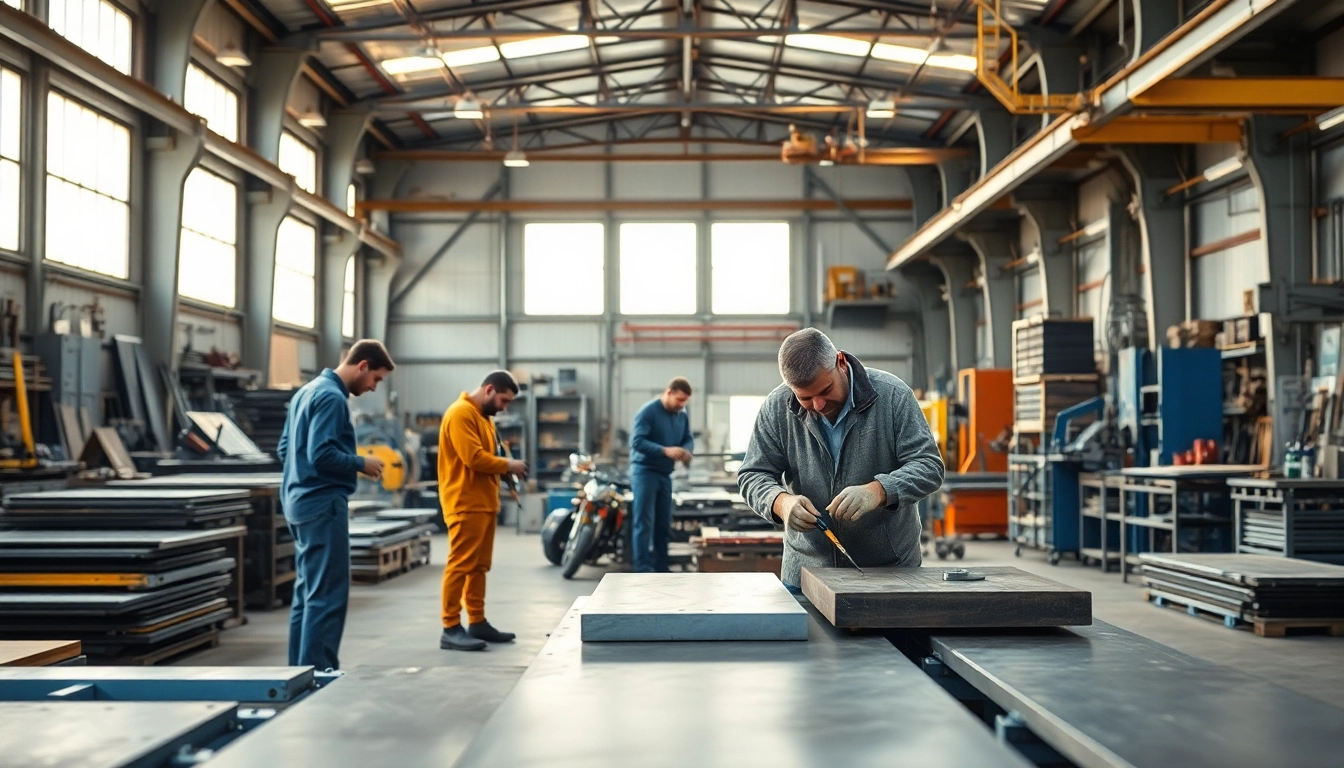
Custom steel fabrication is a specialized process that involves the design, production, and assembly of steel components tailored to meet specific requirements. Unlike mass-produced steel items, custom steel fabrication focuses on creating unique products that meet precise dimensions, characteristics, and design specifications dictated by clients. This process can include a variety of techniques, including cutting, bending, and welding, to produce everything from structural components to intricate designs for various applications.
Key Benefits of Custom Steel Fabrication
Investing in custom steel fabrication offers numerous advantages that enhance project outcomes. Firstly, customization allows for the creation of items designed exactly as required, which can improve efficiency and ensure a good fit in the intended context. Secondly, the use of high-quality materials in custom steel fabrication typically results in products that boast superior durability and strength, meeting the rigorous demands of diverse environments.
Furthermore, custom steel fabrication enables greater design flexibility compared to traditional manufacturing methods. This adaptability allows companies to innovate without the constraints posed by pre-existing product lines. Lastly, partnering with experienced fabricators can lead to cost savings in the long run, as precision decreases waste and enhances the longevity of the products.
Common Applications of Custom Steel Fabrication
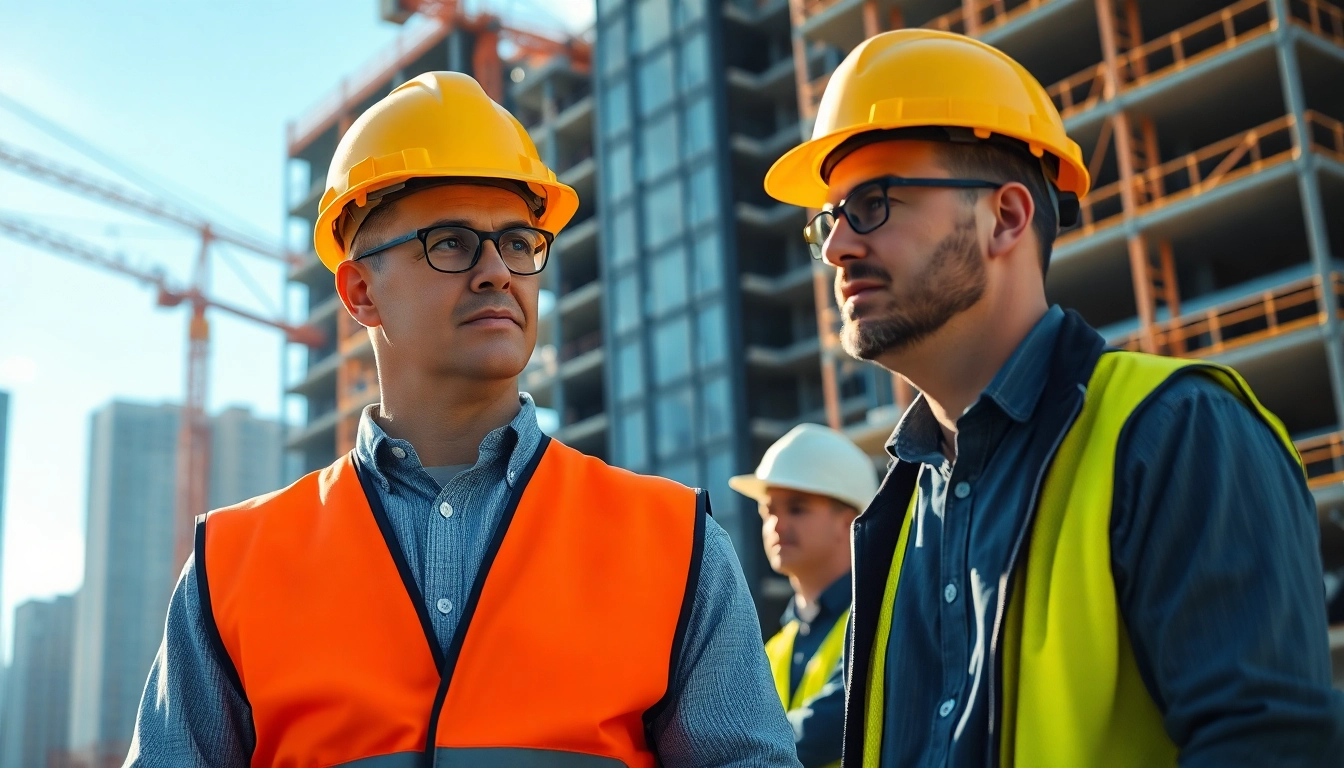
Custom steel fabrication is utilized across a spectrum of industries. In construction, for instance, it plays a crucial role in producing structural frameworks that ensure building integrity. In the automotive sector, companies rely on customized components for vehicle manufacturing and assembly, where precision is paramount.
Moreover, the energy industry often depends on custom steel fabrication for creating structural elements of wind turbines and other renewable energy sources. Specialized apparatus for the shipping and aerospace industries also significantly benefits from the unique characteristics and specifications provided through custom steel fabrication techniques.
Processes Involved in Custom Steel Fabrication
Cutting Techniques in Custom Steel Fabrication
The cutting process is critical in custom steel fabrication, serving as the initial stage that shapes raw materials into usable parts. Various methods exist for cutting steel, including plasma cutting, laser cutting, and water jet cutting, each offering unique advantages.
Plasma cutting is often employed for its speed and efficiency, providing clean cuts on thicker materials. In contrast, laser cutting is preferred for its precision, making it ideal for detailed designs and thin materials. Water jet cutting, utilizing a high-pressure jet of water mixed with abrasive particles, is beneficial for a wide range of materials without heat-affected zones, maintaining structural integrity.
Welding Methods for Custom Steel Fabrication
Welding is another foundational process in custom steel fabrication, providing the means to join metal parts effectively. Various welding methods, such as MIG (Metal Inert Gas), TIG (Tungsten Inert Gas), and Stick welding, cater to different materials and project requirements.
MIG welding is favored for its speed and versatility, making it suitable for a variety of steel thicknesses. TIG welding, while slower, offers exceptional precision and control, making it ideal for applications demanding high-quality finishes. Stick welding, a more traditional technique, is useful in outdoor or windy environments due to its robustness.
Finishing Techniques in Custom Steel Fabrication
After cutting and welding, finishing processes such as sanding, grinding, and applying protective coatings are essential to achieving the desired surface quality and functionality. These techniques not only enhance the aesthetic appeal of the steel products but also protect them from corrosion and wear.
Powder coating is one of the most effective finishing methods, providing a durable and attractive layer that resists scratching, chipping, and fading. It is particularly advantageous for products that will be exposed to harsh environmental conditions.
Choosing the Right Materials for Custom Steel Fabrication
Types of Steel Suitable for Custom Steel Fabrication
Selecting the appropriate type of steel is crucial in any custom steel fabrication project. Common types include carbon steel, stainless steel, and alloy steel, each offering unique properties that cater to specific project needs. Carbon steel is widely used for its strength and affordability but may require protective coatings to prevent corrosion.
Stainless steel, known for its resistance to rust and corrosion, is often selected for applications in harsh environments or where hygiene is paramount, such as in food processing and medical equipment manufacturing. Alloy steel incorporates other elements to enhance specific properties, such as increased strength or improved durability, making it ideal for demanding applications.
Impact of Material Properties on Custom Steel Fabrication
The properties of the selected steel type significantly influence the fabrication process and the final product's performance. Factors such as tensile strength, ductility, and corrosion resistance play vital roles in determining the manufacturing method and application suitability. Understanding these characteristics allows engineers to design components that not only meet specifications but also withstand the operational stresses they will encounter.
Recycling and Sustainability in Custom Steel Fabrication
Sustainability is becoming increasingly important in the steel fabrication industry. Custom steel fabrication processes can incorporate recycled materials, significantly reducing environmental impact. Steel is one of the most recycled materials globally, and using recycled steel can slash emissions associated with steel production.
In addition, adopting sustainable practices in the fabrication process, such as minimizing waste and optimizing energy use, can lead to more environmentally responsible solutions. This focus on sustainability can not only positively affect the environment but also enhance a company's reputation in a market that increasingly values social responsibility.
Benefits of Partnering with Expert Custom Steel Fabrication Services
Quality Assurance in Custom Steel Fabrication
Working with experienced custom steel fabrication services ensures high quality and precision in every aspect of production. Established companies often implement rigorous quality control measures, including regular inspections and testing, to ensure that every product meets industry standards and client specifications.
The assurance provided by professional fabricators means that clients can trust their products to perform as expected, reducing the risk of defects or failures that could arise from inferior workmanship or materials.
Cost-Effectiveness of Custom Steel Fabrication
Though initial costs may seem higher than mass-produced options, the long-term benefits of custom steel fabrication often outweigh these expenses. Custom solutions reduce material wastage due to precise cutting and assembly, optimizing the use of resources. Additionally, high-quality materials translated into longer-lasting products can lead to lower maintenance and replacement costs.
Furthermore, custom fabrication allows companies to produce items that fit their specific needs perfectly, avoiding the cost implications of retrofitting or making adjustments to ill-fitting products.
Time Efficiency in Custom Steel Fabrication Projects
Time is a critical factor in the success of manufacturing projects. Expert custom steel fabrication services are adept at efficiently managing timelines, utilizing advanced project management techniques and modern technology to ensure timely delivery of products. By streamlining processes and eliminating excessive delays, these services provide reliable timelines that meet client deadlines, thus maintaining productivity and project momentum.
Future Trends in Custom Steel Fabrication
Technological Advances in Custom Steel Fabrication
The future of custom steel fabrication is set to evolve with advancements in technology, including more sophisticated CAD/CAM (Computer-Aided Design/Computer-Aided Manufacturing) systems that allow for enhanced design precision and efficiency. Automation and robotics are also making their way into fabrication processes, leading to increased speed and consistency, which can drive down costs and improve output quality.
Moreover, additive manufacturing techniques, such as 3D printing, are beginning to influence the industry, enabling the creation of complex shapes and components that were previously unachievable, further broadening the scope of custom steel fabrication.
Trends in Design and Custom Steel Fabrication
Design trends are actively shaping the domain of custom steel fabrication. An increasing number of designers and architects are opting for eco-friendly designs and utilizing steel for innovative structures that blend aesthetics with functionality. This trend often leads to the incorporation of modular designs, allowing for flexibility and adaptability in use.
Additionally, there is a rising interest in the integration of smart technologies into steel products, making them more functional and able to interact dynamically with their environments.
Industry Challenges and Opportunities in Custom Steel Fabrication
While the custom steel fabrication industry presents numerous opportunities, it also faces several challenges. The demand for immediate production and shorter lead times can strain resources, particularly when unexpected issues arise in the fabrication process. Fabrication companies must continuously innovate to maintain competitiveness, addressing evolving customer demands and regulatory compliance related to sustainability and safety.
In conclusion, the custom steel fabrication landscape is vibrant and full of potential. By leveraging advanced technology and focusing on quality, tailored solutions, and sustainable practices, businesses can thrive in this dynamic sector while offering unique, high-quality products to meet the needs of an ever-changing world.