
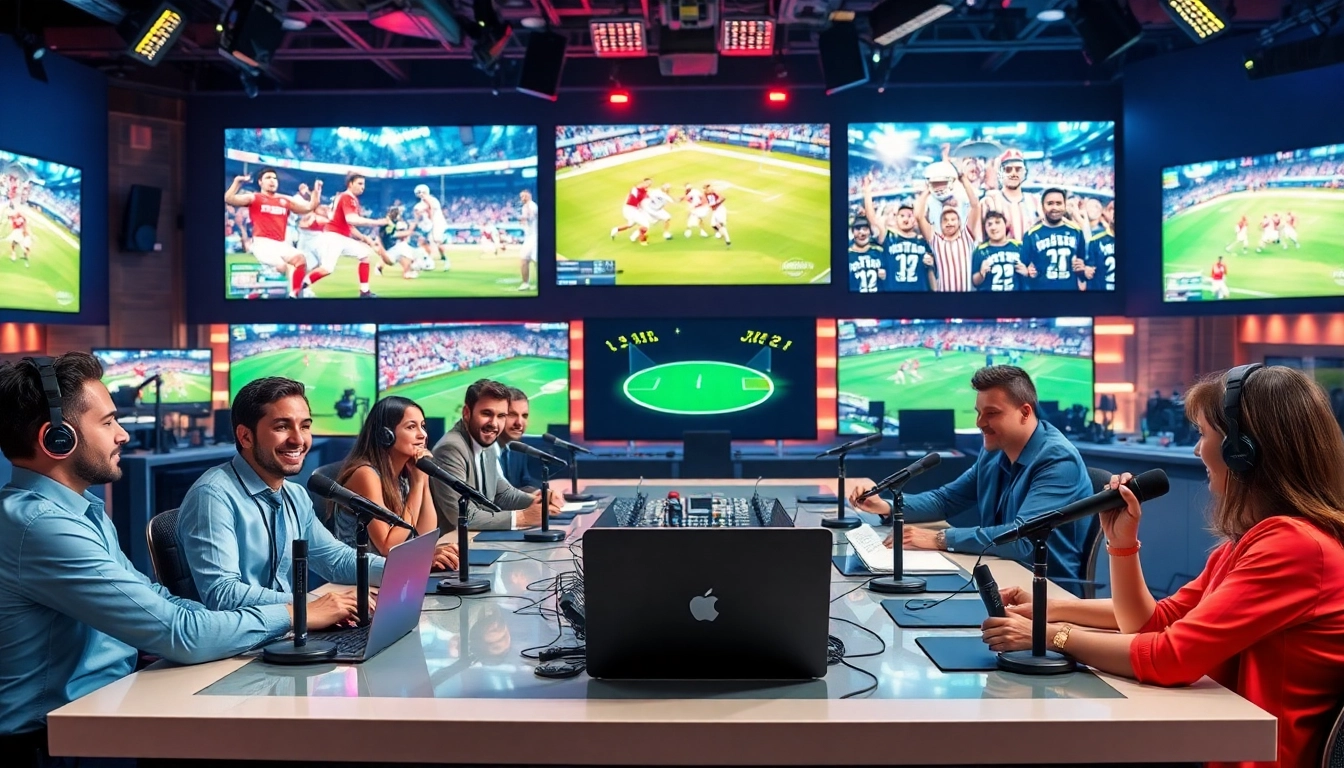
Understanding the Basics of Sports Broadcasting
What is Sports Broadcasting?
Sports broadcasting refers to the dissemination of sports-related content through various media platforms, including television, radio, and digital channels. This dynamic field combines entertainment, journalism, and technology to deliver real-time coverage of sporting events. It encompasses many formats, from live game coverage to analyses, interviews, and sports news. As viewers become ever more engaged, understanding the intricacies of Sports Broadcasting is vital for anyone interested in this growing industry.
Key Roles and Responsibilities
In the realm of sports broadcasting, numerous key players contribute to the seamless delivery of content. From producers and directors who craft the viewer experience to on-air talent responsible for delivering commentary, each role is crucial. Others include:
- Cameramen: Capture the event from multiple angles.
- Technical Crew: Ensure the broadcast runs smoothly, managing audio and visual quality.
- Pundits and Commentators: Provide insightful analysis and lively commentary, bringing the game to life for viewers.
The Evolution of Sports Broadcasting
The journey of sports broadcasting began with radio broadcasts in the early 20th century. Television then ushered in a new era, expanding the reach and quality of sports content. The introduction of cable networks further diversified the sports broadcasting landscape, while the rise of the internet and streaming platforms has revolutionized how audiences consume sports today. This evolution not only highlights technological advancements but also reflects changing viewer preferences and behaviors.
Technology in Sports Broadcasting
Essential Equipment for Sports Broadcasting
Modern sports broadcasting relies heavily on sophisticated technology to deliver high-quality content. Key equipment includes:
- Microphones: Crucial for clear audio, both for commentators and on-field sound.
- Mixing Consoles: Allow for the combination of different audio and video sources, ensuring a polished final product.
Software Solutions for Live Broadcasting
In addition to hardware, various software solutions enhance sports broadcasting. Live streaming software, editing suites, and graphic overlays contribute to an engaging viewer experience. Platforms like OBS (Open Broadcaster Software) and Wirecast allow broadcasters to manage their live streams effectively while integrating graphics that provide context and engagement.
The Impact of Streaming Technology
The emergence of streaming technology has drastically altered the landscape of sports broadcasting. Platforms such as YouTube and Twitch allow fans to watch live events on various devices, leading to higher engagement rates. This shift not only allows broader access to events but also brings opportunities for innovative content creation, such as fan interactions and alternative commentary streams.
Creating Engaging Content
Strategies for Audience Engagement
Creating content that resonates with audiences is pivotal in sports broadcasting. Effective strategies include:
- Interactive Content: Polls and live chats can engage audiences directly.
- Behind-the-Scenes Access: Offering viewers a glimpse into the preparation and atmosphere adds a personal touch.
- Storytelling: Narratives that connect players and teams to fans foster a deeper emotional bond.
Crafting Compelling Commentary
Commentary plays a critical role in enhancing viewer experience. Effective commentators balance information and entertainment, providing insights while keeping the audience engaged. Incorporating humor, memorable phrases, and timely statistics can elevate the overall broadcast quality.
Utilizing Social Media for Enhancement
Social media has become an indispensable tool in sports broadcasting. Broadcasters can utilize platforms like Twitter, Instagram, and TikTok to share highlights, behind-the-scenes content, and real-time updates, drawing in and keeping fans engaged beyond the traditional broadcast.
Challenges in Sports Broadcasting
Managing Live Event Coverage
Live broadcasting presents unique challenges, particularly regarding timing and coordination. Weather delays, unexpected events, or last-minute changes in sporting events require broadcasters to adapt rapidly, ensuring a seamless experience for viewers.
Addressing Technical Failures
Technical failures can derail a live broadcast, making it essential to have contingency plans in place. Training staff to troubleshoot common issues and having backup systems ready can save broadcasts from being disrupted and maintain viewer trust.
Handling Sensitive Content
Sports broadcasts often cover sensitive topics, such as injuries or player controversies. Broadcasters must navigate these subjects with care, ensuring they maintain audience trust while delivering critical information sensitively and respectfully.
Measuring Success in Sports Broadcasting
Analyzing Viewer Ratings and Feedback
Understanding audience reception is crucial for broadcasters. Viewer ratings provide data on what content resonates well, guiding future programming decisions. Feedback, whether through surveys or social media interaction, can also identify strengths and areas for improvement.
Key Performance Indicators for Broadcasters
Key Performance Indicators (KPIs) play a vital role in assessing the efficacy of a sports broadcast. Metrics such as viewer retention rates, demographic breakdowns, and engagement statistics help broadcasters refine their approach and cater to audience preferences.
Future Trends in Viewership
The landscape of sports broadcasting continues to evolve, with trends such as increased demand for personalized content and a growing preference for streaming platforms. Keeping abreast of these trends will be vital for broadcasters looking to capture and retain viewership in an increasingly competitive marketplace.
FAQs About Sports Broadcasting
What qualifications do I need for a career in sports broadcasting?
A career typically requires a degree in communications or journalism, along with experience in media or sports analysis, and excellent communication skills.
How can I improve my commentary skills?
Practice regularly, study successful commentators, and seek feedback to refine your delivery and analytical skills.
Is streaming the future of sports broadcasting?
Yes, streaming has rapidly increased in popularity, offering audiences flexibility and access to a broader range of sports content.
What role does social media play in sports broadcasts?
Social media enhances viewer engagement, allowing broadcasters to share real-time updates, highlights, and interact with fans during events.
How do broadcasters measure viewer engagement?
Broadcasters analyze viewer ratings, social media interactions, and audience feedback to gauge engagement levels and content effectiveness.