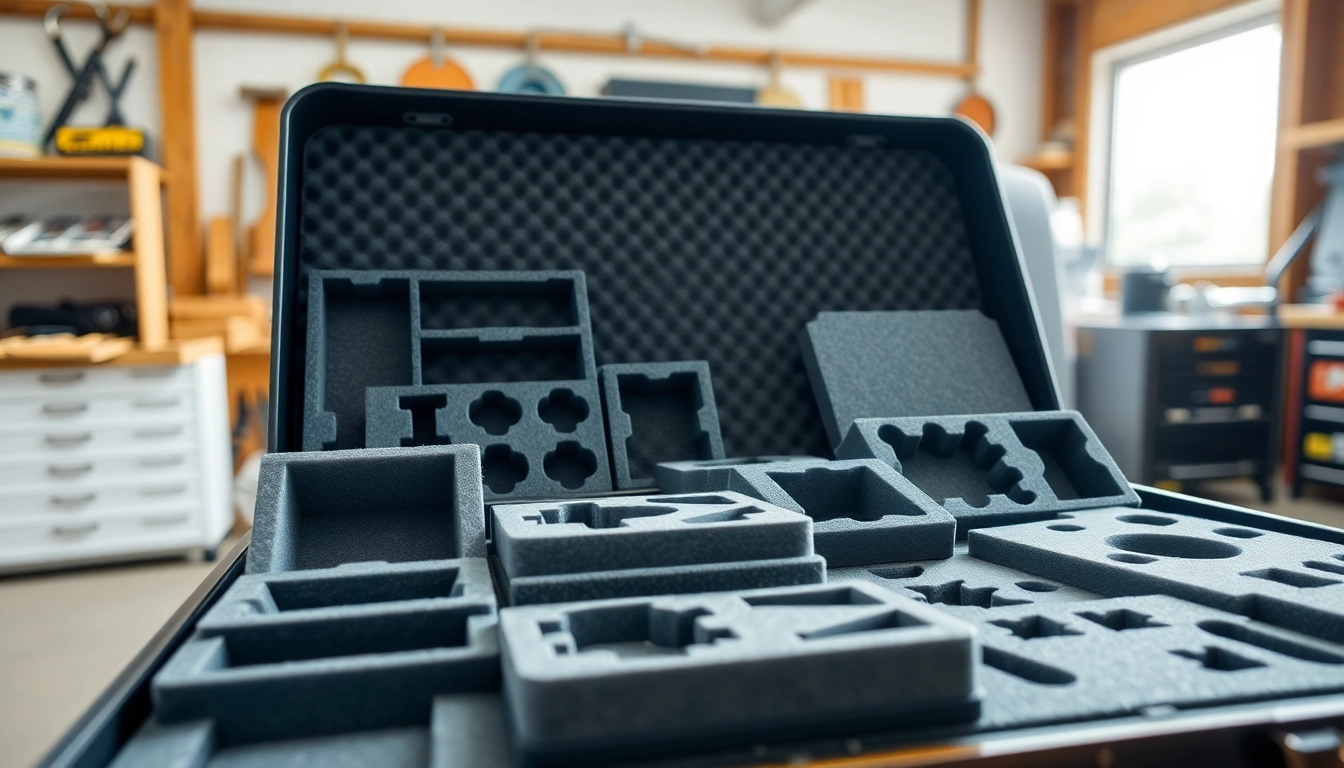
Understanding Custom Foam Inserts
What Are Custom Foam Inserts?
Custom foam inserts are tailored cushioning solutions designed to protect a variety of items, ranging from fragile electronics to sensitive instrumentation. Unlike standard foam products, custom inserts are specifically designed to fit the exact dimensions and contours of the items they are intended to protect. This ensures that each item is securely held in place, preventing any movement during transport or storage, which is essential for preserving the integrity of valuable equipment.
These inserts can be crafted from different types of foam, and their applications span various industries, including aerospace, medical, and consumer goods. The manufacturing process involves using high-quality materials that can absorb shocks and impacts effectively, thereby providing maximum protection. For those looking to delve deeper into the world of custom foam solutions, you can explore Custom Foam Inserts for more insights.
Types of Custom Foam Inserts
Custom foam inserts come in various types, each suited to different applications and industries. Common types include:
- Pick and Pull Foam: This type features a grid pattern that allows the user to remove squares of foam to create compartments of varying sizes. It’s ideal for organizing tools or equipment without predefined shapes.
- Die-Cut Foam: Crafted using specific shapes and sizes predetermined by the item’s dimensions, die-cut foam provides tailored protection for each component. This is commonly used for items like cameras, instruments, and devices.
- Convoluted Foam: Also known as egg crate foam, it features a wavy surface that enhances cushioning while allowing ventilation. This type is often used in packaging delicate items.
- Custom Laminated Foam: This option combines multiple foam layers, allowing for varying hardness and protection levels to match different items effectively.
- Antistatic Foam: Used primarily for electronic components, this foam prevents static electricity build-up, which can damage sensitive electronics.
Benefits of Using Custom Foam Inserts
The advantages of utilizing custom foam inserts are numerous and can significantly enhance the protection and transport of valuable items:
- Enhanced Protection: Custom foam inserts provide precision fit, which minimizes movement and impact damage, effectively safeguarding items during transport.
- Improved Organization: These inserts allow for efficient organization of equipment, enabling users to find items quickly and easily, thereby improving productivity.
- Cost-Effectiveness: Investing in custom foam inserts can save costs associated with damages during shipping or handling by ensuring that items remain intact.
- Brand Representation: Well-designed foam inserts can enhance brand perception, especially when used in promotional materials or presentations.
- Versatility: Custom foam inserts can be crafted to fit virtually any shape or size, making them suitable for a wide array of applications.
Choosing the Right Custom Foam Inserts
Factors to Consider When Selecting Foam
Selecting the right custom foam inserts involves careful consideration of various factors:
- Item Dimensions: Measure the width, length, and height of the items to ensure a precise fit. Proper measurements are crucial for maximizing protection.
- Foam Density: Depending on your application, select a foam density that offers the necessary level of cushioning. Higher density foams provide more protection but may be heavier.
- Environmental Conditions: Consider where the items will be stored or shipped. Certain foams are better suited for humid or cold environments, while others are resistant to chemicals or UV light.
- Regulatory Compliance: Some industries require specific certifications for materials used in packaging. Ensure that the foam meets any necessary standards.
- Budget: Understand your budgetary constraints. Custom inserts can vary significantly in price based on material and design complexity.
Custom Foam Inserts for Different Applications
Custom foam inserts are highly versatile and can cater to numerous applications, including:
- Electronics: Used for safeguarding laptops, cameras, and fragile devices against shock and vibration damage during transport.
- Medical Equipment: Protects sensitive surgical tools and devices by ensuring they remain secure and undamaged.
- Aerospace: Essential for protecting instruments and components in harsh environments, ensuring reliability and performance.
- Industrial Tools: Keeps tools organized and secure, which is vital for quick access in fleet, manufacturing, or field operations.
Common Mistakes in Choosing Foam Inserts
When selecting custom foam inserts, certain common pitfalls should be avoided:
- Neglecting Measurements: Failing to accurately measure your items can result in ill-fitting inserts that do not offer adequate protection.
- Choosing Inappropriate Material: Selecting the wrong type of foam for specific environmental conditions can lead to degradation of the product.
- Underestimating Impact Resistance: Not considering how much cushioning is needed can result in damage during transit.
- Ignoring Aesthetics: While functionality is crucial, an unappealing insert can reflect poorly on your brand.
- Overlooking Cost Versus Value: Focusing solely on price can lead to inadequate protection; investing in quality custom inserts pays off in the long run.
Designing Your Custom Foam Inserts
Step-by-Step Design Process
Designing effective custom foam inserts involves a structured process:
- Identify Requirements: Define what items the foam inserts will protect, their dimensions, and any environmental concerns.
- Draft Initial Designs: Create sketches or digital models outlining how the insert will accommodate each item.
- Select Material: Choose the foam type based on the specific protection needed and durability requirements.
- Review and Iterate: Collaborate with manufacturers to refine the design, ensuring it meets all safety and performance specifications.
- Prototype Testing: Produce a prototype and test it with the actual items to ensure fit and functionality.
Tools and Software for Designing Foam Inserts
Several tools and software solutions can aid in designing custom foam inserts:
- CAD Software: Provides advanced modeling capabilities for creating precise designs tailored to specific dimensions.
- Design Templates: Many manufacturers offer templates that can simplify the design process for common items.
- 3D Printing: Prototyping with 3D printed models can help visualize and assess the foam insert's fit and functionality.
- A/B Testing Tools: Help analyze different design options to identify the best-performing insert configuration.
Examples of Successful Designs
Reviewing successful designs can provide valuable inspiration:
- Foam inserts created for camera equipment often feature tailored cut-outs that hold cameras and lenses securely, preventing any movement that could lead to damage.
- Medical device foam inserts may use die-cut foam to accommodate instruments, ensuring they are organized and easily accessible during procedures.
- Industrial tool foam inserts are designed to include compartments for various tools, allowing for efficient storage and quick retrieval on job sites.
Ordering Custom Foam Inserts
Where to Order Quality Foam Inserts
Ordering custom foam inserts can be done through specialized manufacturers or custom packaging companies that understand your specific needs. It's essential to research various vendors, ensuring they provide quality materials and demonstrate a commitment to customer service. Seek manufacturers with experience in your field or industry, as they will understand the unique requirements of your products.
Understanding Pricing Models
The cost of custom foam inserts varies based on several factors, including material type, design complexity, and production volume. Typically, custom foam manufacturers use several pricing models, such as:
- Unit Pricing: A flat rate for each insert, which may offer discounts for bulk orders.
- Setup Fees: Initial fees may apply for tooling or design work.
- Material Costs: Prices can fluctuate based on the foam type selected.
Delivery Options and Turnaround Times
Delivery times can vary based on the complexity of the order and the manufacturer’s production schedule. Be sure to communicate thoroughly with the supplier about your timeline requirements. Many companies offer expedited shipping for urgent orders, but this may come at an added cost. Always confirm the estimated delivery time during the ordering process to avoid delays.
Maintaining Custom Foam Inserts
Cleaning and Care for Foam Inserts
Proper maintenance of custom foam inserts can extend their lifespan significantly. Cleaning methods vary based on the foam type; for most polyethylene or polyurethane foams, mild soap and water are effective. Avoid harsh chemicals that can degrade the foam. Regularly inspect the inserts for signs of wear or damage, and consider rotating items periodically to prevent uneven compression.
When to Replace Your Foam Inserts
Knowing when to replace foam inserts can save you from costly damages. Signs that it's time for a replacement include visible tears, loss of shape, or significant degradation in foam density. Regular assessments after heavy use or transport can help determine whether replacements are necessary to maintain item protection.
FAQs About Custom Foam Inserts
1. What materials are used for custom foam inserts?
Common materials include polyethylene, polyurethane, and cross-linked foam, each providing different levels of protection and durability.
2. How long does it take to receive my custom foam inserts?
Turnaround times generally range from 1-4 weeks, depending on complexity, volume, and the manufacturer's schedule.
3. Can I modify my order after placing it?
Modifications are often possible but should be communicated as soon as possible to avoid delays or additional costs.
4. Do custom foam inserts protect against moisture damage?
Some foam types are designed to resist moisture; however, proper sealing and packaging are recommended for added protection against humidity.
5. Are there eco-friendly options for custom foam inserts?
Yes, several manufacturers offer eco-friendly foam options that are biodegradable or made from recycled materials.