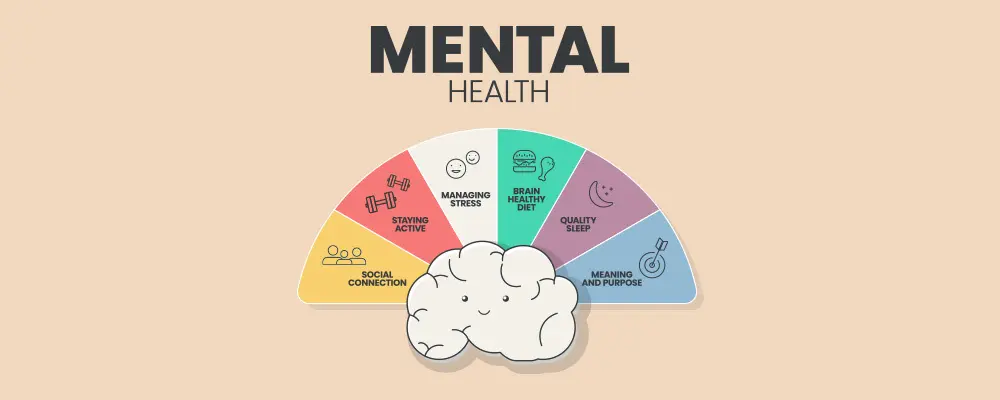
Mental health awareness is essential for maintaining emotional balance, fostering resilience, and enhancing overall quality of life. Mental health awareness goes beyond recognizing psychological challenges; it involves understanding emotional patterns, developing coping strategies, and implementing proactive steps to support mental well-being. In a world filled with stressors—from work pressures to social expectations—strategies that strengthen awareness and care are crucial for healthier minds and sustainable emotional health.
Understanding the Importance of Mental Health Awareness
Mental health awareness is the foundation of emotional understanding. It equips individuals with the ability to recognize early signs of distress, understand their emotional experiences, and respond in ways that promote well-being. Awareness is both preventive and empowering, reducing the risk of mental health crises and enhancing personal growth.
Why Mental Health Awareness Matters
Mental health awareness matters because it:
- Promotes emotional literacy, enabling individuals to identify and manage emotions effectively.
- Reduces stigma, allowing people to seek help without fear of judgment.
- Supports resilience, preparing individuals to cope with stress and adversity.
- Enhances relationships by fostering empathy, understanding, and effective communication.
The Connection Between Awareness and Healthy Minds
A healthier mind is one that recognizes emotions, processes them constructively, and engages in behaviors that support balance. Mental health awareness provides the tools for this recognition, ensuring that emotional challenges are addressed before they escalate into more serious issues.
Strategy 1: Building Emotional Literacy
Emotional literacy is the ability to identify, understand, and express emotions accurately. It is a cornerstone of mental health awareness and a practical strategy for healthier minds.
Identifying Emotions Clearly
Mental health awareness begins with the accurate identification of feelings. Recognizing whether one is anxious, frustrated, or overwhelmed allows for tailored coping strategies. Developing a richer emotional vocabulary reduces confusion and enhances self-expression.
Understanding Emotional Triggers
Every emotion has a cause or trigger. Mental health awareness involves observing what situations, thoughts, or interactions evoke particular emotional responses. This understanding helps in anticipating reactions and managing them proactively.
Expressing Emotions Constructively
Awareness encourages individuals to communicate feelings in ways that are respectful and aligned with personal values. Constructive expression prevents emotional suppression and reduces interpersonal conflict.
Strategy 2: Practicing Mindfulness
Mindfulness is the practice of paying full attention to the present moment without judgment. It is a highly effective strategy for enhancing mental health awareness and emotional regulation.
Observing Thoughts and Feelings
Mindfulness allows individuals to notice emotions as they arise. Mental health awareness ensures that these observations are used for reflection rather than self-criticism, fostering clarity and calm.
Reducing Emotional Reactivity
Awareness gained through mindfulness helps individuals respond thoughtfully rather than react impulsively. This reduces stress, prevents conflict, and enhances emotional stability.
Integrating Mindfulness Into Daily Life
Simple practices such as mindful breathing, walking, or journaling can reinforce mental health awareness. Regular mindfulness encourages a habit of observation that supports healthier emotional processing.
Strategy 3: Developing Coping Skills
Coping skills are techniques used to manage stress, adversity, and emotional challenges. Mental health awareness informs the selection and application of these skills, ensuring they are effective and adaptive.
Adaptive vs. Maladaptive Coping
Mental health awareness helps differentiate strategies that enhance well-being (e.g., exercise, social support) from those that may worsen emotional strain (e.g., substance use, avoidance).
Building a Coping Toolkit
Awareness allows individuals to develop a set of reliable coping strategies for different situations. This toolkit may include relaxation exercises, creative outlets, problem-solving techniques, and social support networks.
Practicing Consistently
Mental health awareness emphasizes the importance of regular practice. Skills are most effective when applied consistently, creating patterns that support long-term emotional resilience.
Strategy 4: Engaging in Self-Care
Self-care is a deliberate practice of attending to physical, emotional, and mental needs. Mental health awareness guides individuals in prioritizing self-care routines that support healthier minds.
Physical Self-Care
Exercise, nutrition, and sleep are foundational for emotional well-being. Mental health awareness highlights how physical habits influence mood, energy, and cognitive functioning.
Emotional Self-Care
Activities that promote emotional release, reflection, or connection—such as journaling, meditation, or therapy—are guided by mental health awareness to ensure alignment with personal needs.
Setting Boundaries
Awareness informs the setting of boundaries in work, relationships, and social commitments. Protecting time and energy is crucial for maintaining emotional health.
Strategy 5: Seeking Professional Support
Professional support, including therapy, counseling, or medical intervention, is a critical strategy for maintaining mental health. Awareness encourages timely and proactive engagement with professionals.
Recognizing When to Seek Help
Mental health awareness allows individuals to identify persistent distress, impaired functioning, or overwhelming emotions that may require professional support.
Overcoming Stigma
Awareness reduces the fear of judgment and normalizes help-seeking behavior. Understanding that mental health care is preventive, not punitive, empowers individuals to access resources confidently.
Integrating Professional Guidance With Daily Practices
Therapy and professional advice complement personal strategies like mindfulness, emotional literacy, and coping skills, reinforcing overall mental health awareness.
Strategy 6: Strengthening Social Support Networks
Social connections are integral to emotional well-being. Mental health awareness highlights the role of relationships in coping with stress, fostering resilience, and promoting empathy.
Identifying Supportive Relationships
Awareness helps individuals recognize people who provide constructive support and avoid relationships that exacerbate emotional strain.
Encouraging Open Communication
Mental health awareness promotes honest sharing of thoughts and feelings within supportive networks, enhancing understanding and reducing isolation.
Participating in Community Support
Engaging in peer support groups, community programs, or online forums increases exposure to diverse experiences, normalizes challenges, and reinforces awareness-driven strategies.
Strategy 7: Practicing Gratitude and Positive Reflection
Gratitude and reflective practices enhance mental health by promoting awareness of positive experiences, accomplishments, and personal growth.
Daily Gratitude Practices
Awareness encourages noting things one is thankful for daily. This shifts focus from negative thoughts to constructive emotional experiences.
Reflecting on Growth and Strengths
Mental health awareness allows individuals to acknowledge progress, resilience, and coping capacity, fostering confidence and emotional balance.
Balancing Awareness of Challenges With Positivity
Awareness is not about ignoring struggles but integrating acknowledgment of challenges with recognition of successes and opportunities.
Strategy 8: Limiting Negative Influences
Awareness also involves recognizing external factors that harm emotional health, such as social media, toxic relationships, or chronic stress.
Monitoring Media Consumption
Mental health awareness guides individuals to engage critically with media content, reducing exposure to negative comparisons or sensationalized narratives.
Reducing Environmental Stressors
Identifying and addressing sources of chronic stress in daily environments supports emotional regulation and prevents overload.
Surrounding Oneself With Positivity
Awareness encourages nurturing relationships, activities, and environments that enhance emotional resilience and overall mental well-being.
Strategy 9: Cultivating Resilience
Resilience is the capacity to recover from setbacks. Mental health awareness fosters resilience by promoting adaptive thinking, problem-solving, and flexibility.
Learning From Challenges
Awareness allows individuals to reflect on past experiences, identify coping strategies that worked, and apply them to future challenges.
Maintaining Optimism With Realism
Mental health awareness balances optimism with realistic assessment of circumstances, preventing denial or unhealthy minimization of stressors.
Reinforcing Adaptive Habits
Resilience is strengthened by consistent practice of coping strategies, mindfulness, and self-care guided by awareness.
Strategy 10: Advocating for Mental Health Awareness
Individual strategies are strengthened when integrated into broader community and societal efforts. Advocacy promotes collective emotional health and reduces stigma.
Educating Others
Sharing knowledge about mental health facts, coping strategies, and awareness practices increases understanding and compassion within communities.
Supporting Policy and Workplace Initiatives
Mental health awareness can guide advocacy for inclusive workplace policies, access to mental health resources, and educational programs.
Leading by Example
Practicing mental health awareness publicly encourages peers, family, and colleagues to adopt similar habits, amplifying positive impact.
Integrating Mental Health Awareness Into Daily Routines
Consistency is key to sustaining mental health awareness. Daily practices reinforce strategies and promote long-term emotional well-being.
Morning and Evening Reflections
Starting and ending the day with emotional check-ins fosters awareness and prepares individuals to respond constructively to stress.
Regular Mindfulness and Self-Care
Incorporating brief mindfulness exercises, physical activity, and emotional reflection into daily routines maintains balance and supports resilience.
Tracking Progress
Keeping a journal or using digital tools to monitor emotional patterns strengthens awareness and helps identify effective strategies over time.
The Long-Term Benefits of Mental Health Awareness
Implementing strategies for awareness produces lasting benefits, enhancing life satisfaction, emotional stability, and interpersonal relationships.
Sustained Emotional Balance
Mental health awareness allows individuals to navigate life’s fluctuations with composure and insight, reducing the likelihood of emotional crises.
Improved Quality of Relationships
Awareness-driven empathy, communication, and support foster deeper, healthier connections with family, friends, and colleagues.
Enhanced Personal Growth
Mental health awareness promotes reflection, adaptability, and learning, enabling continual personal development and resilience.
Conclusion
Mental health awareness is the foundation for healthier minds and sustainable emotional well-being. By implementing strategies such as building emotional literacy, practicing mindfulness, developing coping skills, engaging in self-care, and strengthening social support, individuals can manage stress, reduce emotional strain, and foster resilience. Awareness also empowers proactive help-seeking, advocacy, and the creation of supportive communities. Integrating these strategies into daily life ensures that mental health is treated with care, attention, and respect, enhancing overall quality of life and promoting long-term emotional strength. Ready for more? Visit our homepage for deeper content and new releases.
FAQs
What are the most effective strategies for improving mental health awareness?
Effective strategies include building emotional literacy, practicing mindfulness, developing coping skills, engaging in self-care, strengthening social support networks, and seeking professional help. These approaches promote proactive emotional management and resilience.
Can mental health awareness prevent emotional burnout?
Yes. Awareness allows individuals to recognize early signs of stress, implement coping strategies, and maintain balance, preventing burnout before it escalates.
How can daily routines support mental health awareness?
Daily routines, such as mindfulness practices, emotional reflection, gratitude exercises, and consistent self-care, reinforce awareness. Regular engagement with these practices strengthens emotional regulation and long-term mental well-being.