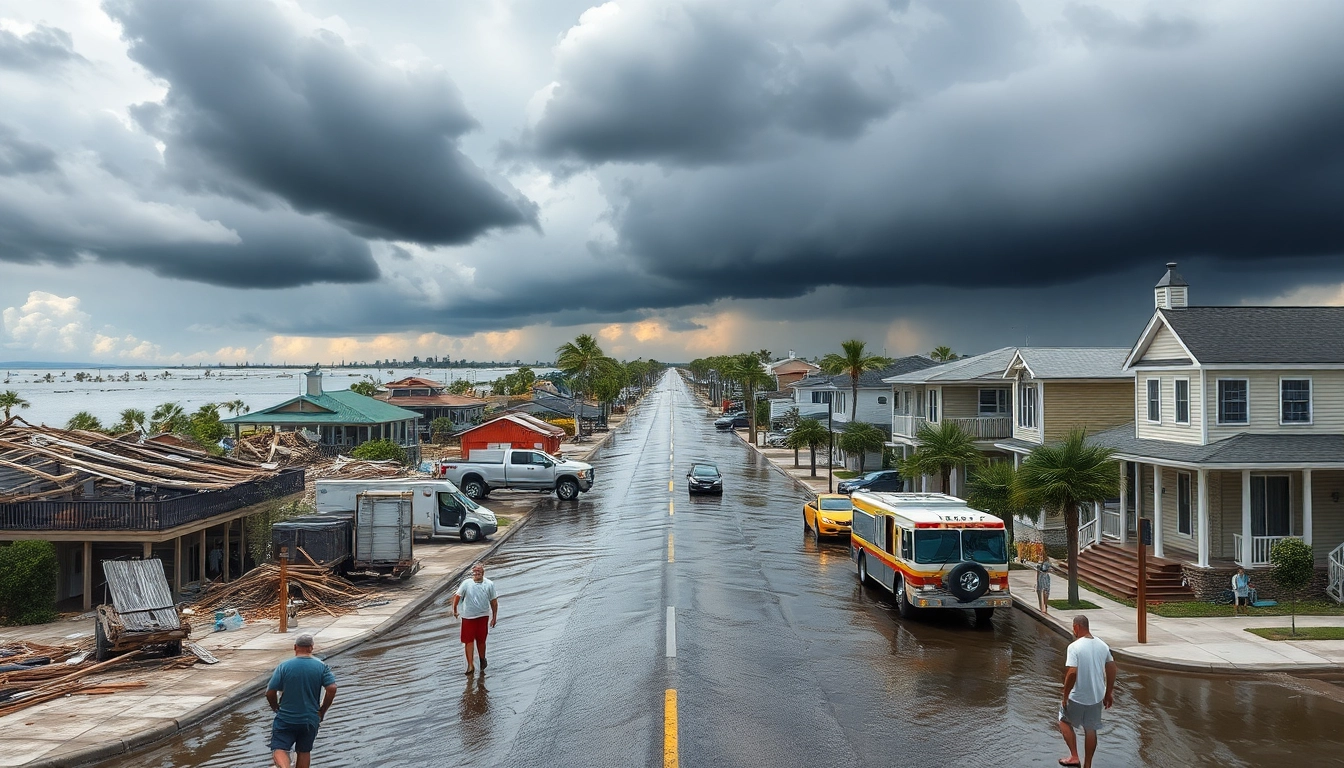
Understanding the Impact of Florida Hurricane Damage
Florida is well-known for its sunny beaches and vibrant tourism industry, but it is also one of the states most vulnerable to hurricanes. Every year, powerful storms sweep through the state, leaving a trail of destruction in their wake. Understanding the concept of Florida Hurricane Damage is vital for residents, policymakers, and prospective homebuyers alike. This article explores various dimensions of hurricane damage in Florida, examining both its causes and its implications for recovery and preparedness.
What is Florida Hurricane Damage?
Defining the Scope of Damage
Florida hurricane damage can be broadly understood as the physical and economic impact caused by hurricanes that hit the state. This damage manifests in several ways, including destruction to homes, businesses, infrastructure, and natural landscapes. The severity can vary significantly based on the hurricane's strength, path, and duration, as well as the resilience of the affected communities.
Types of Hurricane Damage Unique to Florida
Several unique types of damage characterize hurricanes in Florida:
- Wind Damage: High winds can uproot trees, damage power lines, and destroy roofs.
- Flooding: Heavy rainfall and storm surges lead to severe flooding, especially in low-lying coastal areas.
- Storm Surge: This phenomenon can inundate coastal zones, causing significant property damage and eroding beaches.
- Infrastructure Impact: Roads, bridges, and emergency services are often disrupted, hampering evacuation and recovery efforts.
Statistics on Florida Hurricane Damage Over the Years
The financial toll of hurricane damage in Florida is staggering. Recent estimates put the costs of damages from storms like Hurricanes Irma and Michael in the billions, underscoring the necessity for effective mitigation strategies. For example, Hurricane Michael in 2018 was responsible for $25 billion in damages alone. Furthermore, the frequency and intensity of hurricanes have been exacerbated by climate change, leading to worries that future storms will result in even higher costs.
Causes of Florida Hurricane Damage
The Role of Weather Patterns in Florida
Florida’s unique geographical position makes it particularly susceptible to hurricanes. The state is situated within the Atlantic hurricane belt and frequently experiences storms that form in the Caribbean or off the coast of Africa, especially during the Atlantic hurricane season. Factors such as warm sea surface temperatures can lead to the formation of powerful hurricanes capable of inflicting severe damage.
Infrastructure Vulnerabilities Contributing to Damage
Florida's infrastructure plays a significant role in how much damage is sustained during hurricanes. Areas with aging or inadequately maintained infrastructure face heightened risks. Insufficient drainage systems exacerbate flooding, while poorly constructed buildings may not withstand strong winds. The concentration of population and development along the coastline also amplifies the potential for damage.
Human Factors That Amplify Damage Risks
Human activity can further increase the risks associated with hurricanes. Urban development in vulnerable coastal areas has made many properties susceptible to flooding. Additionally, climate change, driven by human activities, has contributed to the increasing intensity and frequency of hurricanes, meaning that the potential for damage is growing alongside urban development.
Preparation Strategies to Mitigate Florida Hurricane Damage
Emergency Preparedness Plans for Residents
Effective preparation is key to minimizing hurricane damage. Residents are encouraged to develop emergency preparedness plans that include evacuation routes, communication strategies, and supply kits with essential items like food, water, and medications. The local government often provides resources to help families formulate these plans, ensuring they are equipped to respond quickly when storms approach.
Building Codes Designed to Reduce Damage
Florida has specific building codes in place designed to enhance structural integrity against hurricane forces. These codes mandate that new buildings be constructed to endure high winds and flooding. Retrofitting older structures with hurricane ties, impact-resistant windows, and elevated foundations significantly increases their resilience against storm damage.
Community Awareness Programs and Their Impact
Community awareness initiatives play an essential role in hurricane preparedness. Public education campaigns regarding emergency preparedness, evacuation routes, and the importance of securing homes can significantly improve safety during hurricane events. Local governments, in partnership with non-profits, often hold workshops and drills to foster a culture of preparedness among residents.
Recovery Process Following Florida Hurricane Damage
Immediate Actions for Assessment and Support
Following a hurricane's landfall, immediate actions focus on assessing damage and providing support. Local authorities conduct damage assessments to prioritize recovery efforts. Emergency services are deployed to aid those affected, offering medical assistance and temporary shelters to evacuees. Reporting systems also enable residents to communicate their needs for immediate support.
Long-Term Recovery Planning
Long-term recovery planning is crucial for rebuilding and ensuring resilience against future storms. This planning involves not only repairing damaged infrastructure but also enhancing future preparedness. Communities may implement strategies to develop sustainable practices, improve zoning laws, and invest in infrastructure upgrades that reduce vulnerability to storm damage.
Federal and State Resources for Affected Areas
State and federal resources are vital for supporting recovery. The Federal Emergency Management Agency (FEMA) offers various forms of assistance, including financial support for home repairs, public assistance for municipalities, and programs aimed at helping businesses recover. Additionally, state agencies may have specific funds allocated for infrastructure repair and disaster recovery efforts.
Future Outlook for Florida and Hurricane Damage Management
Innovations in Disaster Recovery and Preparedness
Innovations in technology and practices are set to redefine disaster recovery and preparedness in Florida. Advances in meteorology allow for more accurate storm tracking and predictive analytics, enabling better forecasting. Additionally, smart technologies can be integrated into emergency systems, offering real-time updates and resource availability during hurricanes.
Policy Changes Impacting Hurricane Damage Responses
Policy adaptations are necessary to address the challenges posed by changing climate conditions and increased hurricane activity. This may involve revising building codes, developing stricter zoning laws to limit construction in vulnerable areas, and investing in innovative water management systems to alleviate flooding risks. Policymakers are increasingly recognizing the need for sustainable practices that enhance community resilience.
The Role of Technology in Reducing Risks
The application of technology in risk reduction is evolving. Tools like Geographic Information Systems (GIS) offer invaluable data for analyzing vulnerable areas and planning mitigation strategies. Drones can be utilized for rapid damage assessment post-storm, allowing for quicker response times. Furthermore, mobile apps are being developed to assist residents in preparation and during emergencies, providing accessible information during critical times.
Hurricanes will always be part of Florida's reality, but by understanding Florida Hurricane Damage and embracing proactive strategies, communities can not only recover from these storms but thrive in their aftermath. Building resilience today will pave the way for a safer, more sustainable tomorrow.